A sink that drains a little slower every week usually does not stay a small problem for long. In many homes and commercial buildings, the call for a Vancouver BC drain cleaning service starts with something easy to ignore – a gurgling kitchen sink, a shower that leaves water around your feet, or a smell near a floor drain that was not there before.
Drain problems tend to build quietly, then show up all at once when you are trying to get through a normal day. That is why it helps to know what is causing the slowdown, what professional cleaning actually does, and when it makes sense to stop trying store-bought fixes and bring in a licensed plumber.
When a drain problem is more than a minor clog
Not every slow drain means you have a major plumbing failure. In a bathroom sink, the issue may be hair, soap film, and toothpaste collecting near the stopper. In a kitchen line, grease, food scraps, and detergent residue often build up over time. In older buildings, the problem can go deeper into the branch line or main drain.
The tricky part is that different symptoms can look similar at first. A single slow fixture may point to a local blockage close to the drain opening. If several fixtures are draining poorly at the same time, or if flushing one toilet affects a nearby tub or sink, the problem may be farther down the system. That is where professional diagnosis matters.
A proper drain cleaning visit is not just about punching a hole through the clog and leaving. The goal is to find where the restriction is, clear it fully, and reduce the chance that the same issue comes back a week later.
What a Vancouver BC drain cleaning service should actually do
A dependable Vancouver BC drain cleaning service should start with the basics – listening to what you are seeing, checking which fixtures are affected, and identifying whether the blockage is isolated or part of a larger drainage issue.
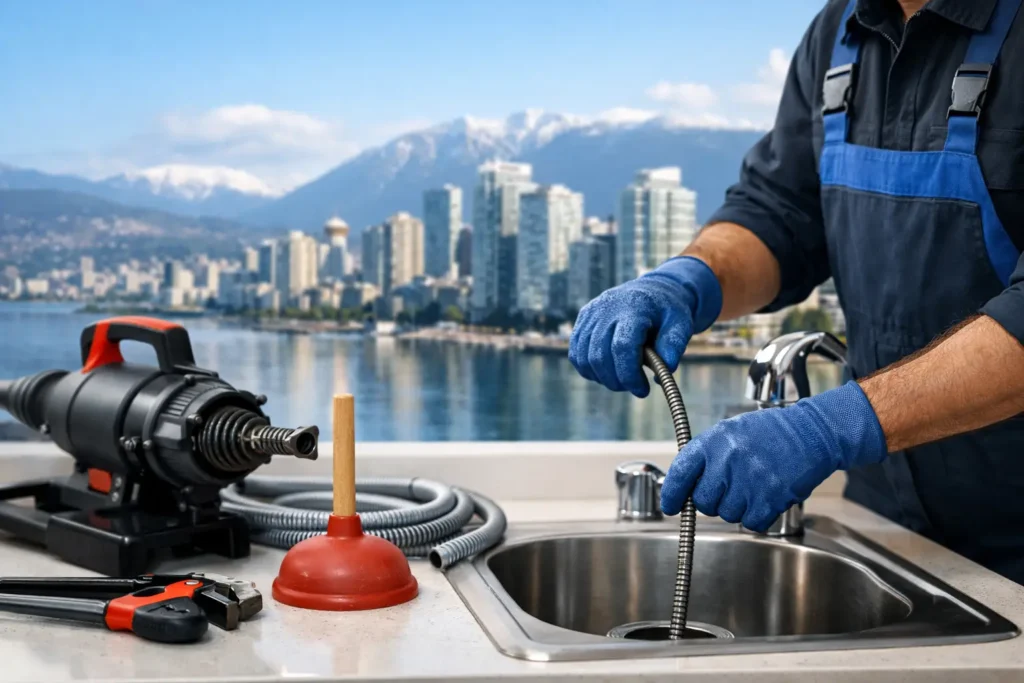
From there, the right method depends on the line and the material causing the obstruction. A simple sink or tub clog may be handled with professional snaking equipment that breaks apart and removes the blockage. Heavier buildup in kitchen drains, laundry lines, or commercial systems may need more thorough mechanical cleaning. In some cases, a camera inspection is the best next step, especially if recurring backups suggest damage, root intrusion, or a partially collapsed pipe.
This is where experience matters. The fastest option is not always the best one. A light pass with a basic auger may restore flow for the moment, but if grease, sludge, or scale is still lining the pipe, the problem can return quickly. On the other hand, not every drain needs the most aggressive cleaning approach. Good service means matching the method to the condition of the pipe.
Why DIY drain cleaners often make things worse
Many people try liquid chemical cleaners first because they are cheap, easy to find, and promise fast results. Sometimes they seem to help, at least for a day or two. But they rarely solve the full blockage, and they can create additional problems.
Chemical products may sit in the trap or line without clearing the obstruction, which means harsh residue remains in the plumbing when a technician arrives. That creates a safety concern during service. Repeated use can also be hard on some pipes, especially in older properties where the drainage system may already have wear.
There is also the practical issue: chemicals do not remove solid buildup very well. Hair, grease, wipes, and dense sludge usually need physical removal. If the line is partially blocked by roots or pipe damage, no bottle on a shelf is going to fix that.
A plunger can still be useful for a simple local clog, and carefully removing debris from a sink stopper is a reasonable first step. But if the drain keeps slowing down, starts backing up, or affects more than one fixture, it is usually time to stop experimenting.
Common causes of drain blockages in homes and buildings
In residential properties, the most common causes are straightforward. Bathrooms collect hair, soap residue, and hygiene products that should never be flushed. Kitchens deal with grease, coffee grounds, rice, pasta, and food particles that settle inside the line. Laundry drains can build up with lint and soap material.
For landlords and property managers, repeat clogs are often tied to usage patterns as much as plumbing condition. A line may work fine for one tenant and clog regularly for the next, depending on what goes down the sink or toilet. In multi-unit buildings, a problem in one section can also affect neighboring spaces, which makes early response important.
Commercial and institutional properties bring another layer of complexity. Higher usage, larger systems, and stricter operational needs mean drain issues can disrupt business quickly. Restaurants often face grease-related buildup. Office and public facilities may deal with restroom misuse and heavy fixture volume. In these cases, routine maintenance can be more cost-effective than repeated emergency calls.
Warning signs you should not wait on
Some drain issues can wait for a scheduled appointment. Others should be handled right away.
If sewage is backing up into a tub, shower, or floor drain, that is not a wait-and-see situation. The same goes for strong sewer odors, repeated toilet overflows, or water appearing around a basement drain. These signs can point to a more serious blockage in the main line.
You should also pay attention to patterns. A sink that clogs every month, a toilet that bubbles when the shower runs, or a kitchen drain that only improves briefly after each cleaning usually means the root cause has not been addressed. Recurring problems are often more expensive in the long run because they create water damage risk, sanitation concerns, and tenant or customer disruption.
What to expect from professional drain cleaning
When a trained plumber handles drain cleaning, the visit should be focused and practical. First comes diagnosis, because clearing the wrong line or treating the symptom only wastes time. Once the affected drain is identified, the plumber uses professional equipment designed for the pipe size, access point, and type of blockage.
You should expect clear communication about what was found, what was done, and whether there are signs of a deeper issue. If the drain is clear and flowing normally again, that may be the end of it. If the technician sees signs of recurring grease buildup, roots, deterioration, or offset piping, you should hear that plainly, along with your options.
That kind of honesty matters. Some clogs are one-time events. Others are symptoms of an aging or damaged drainage system. Good service separates those two instead of treating every job the same way.
How to reduce future drain problems
The best prevention is usually simple and consistent. Avoid pouring grease down kitchen drains, even with hot water. Use strainers where they actually help, especially in showers and bathroom sinks. Flush only toilet paper, not wipes, paper towels, or hygiene products. If you manage a building, clear tenant communication about drain use goes a long way.
It also helps to act early. A slow drain is easier to deal with than a full backup. If your property has older pipes or a history of recurring clogs, periodic maintenance may make sense. That depends on the building, the pipe condition, and how the system is used, but for some homes and many commercial properties, preventive cleaning is a practical investment.
For property owners who need responsive help, Encano Plumbing & Drainage Ltd. takes a straightforward approach: identify the cause, clear the line properly, and recommend the next step only when it is genuinely needed. That matters when you are trying to protect your home, keep tenants happy, or avoid downtime in a working building.
Choosing the right drain cleaning help
Price always matters, but drain cleaning is one of those services where the cheapest call can turn into the most expensive repeat visit. What you want is prompt response, professional equipment, transparent pricing, and a plumber who treats your property with respect.
That is especially true when the issue is urgent. A backed-up drain affects daily life fast. In a business or shared building, it can affect multiple people at once. Reliable service means showing up prepared, working cleanly, and solving the problem with as little disruption as possible.
If your drain has been slow, noisy, or backing up, trust what the plumbing is telling you. Small warnings have a way of becoming bigger repairs at the worst time, and early service is almost always easier than emergency cleanup later.