A gas line problem rarely gives you much time to think. You might catch a sulfur smell near the stove, notice a water heater that will not stay lit, or realize a new gas appliance cannot be hooked up without the right permits and pressure testing. That is where professional gas fitting services matter most – not just for convenience, but for safety, code compliance, and peace of mind.
For homeowners and property managers, gas work is not an area for guesswork. Natural gas and propane systems need careful installation, precise connections, proper venting, and testing that confirms the system is operating safely. A small mistake can create a serious risk to people, property, and building operations.
What gas fitting services usually include
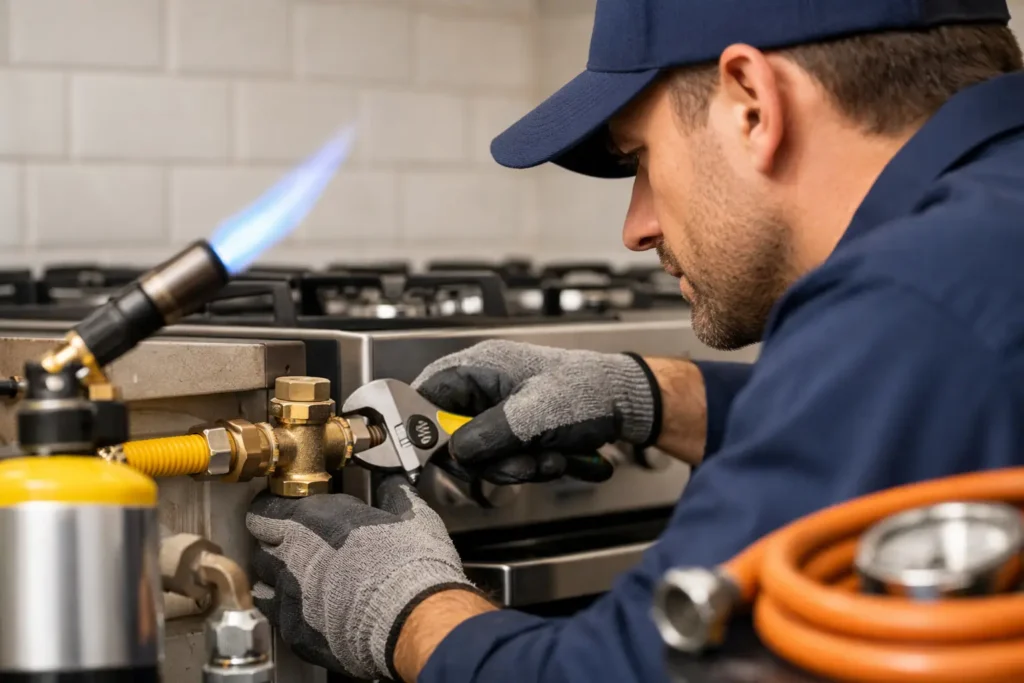
Most people think gas fitting only means repairing a gas leak, but the scope is broader than that. Licensed technicians handle gas line installation for new appliances, replace aging or damaged piping, connect gas ranges and dryers, upgrade outdoor lines for barbecues and fire pits, and troubleshoot supply issues that affect performance.
Gas fitting services may also include pressure testing, shut-off valve replacement, regulator checks, code corrections, and inspections after renovations. In residential settings, this often comes up during kitchen remodels, water heater replacement, or furnace work. In commercial buildings, the needs can be more complex because downtime, occupancy, and safety documentation all matter.
The right service depends on the age of the system, the type of appliance, and whether the issue is urgent or part of a planned upgrade. A minor connection issue can sometimes be resolved quickly. A corroded or undersized gas line may require a more involved repair or partial replacement.
When to call for gas fitting services right away
Some gas issues can wait for a scheduled appointment. Others should be treated as urgent. If you smell gas, hear hissing near a gas line, or suspect an active leak, leave the area if needed and contact the proper emergency resources and a licensed gas professional as soon as it is safe to do so.
There are less obvious warning signs too. Appliances that struggle to ignite, weak burner flames, soot buildup, pilot lights that keep going out, and unexplained increases in gas usage can all point to a system problem. These signs do not always mean there is a leak, but they do mean the system needs proper diagnosis.
For landlords and property managers, timing matters even more. A gas issue in a rental unit, mixed-use building, or commercial property can affect multiple occupants at once. Fast response helps reduce disruption, but speed should never come at the expense of careful testing and compliant repair work.
Why licensed gas work matters
Gas systems are regulated for a reason. Safe installation requires more than tightening a fitting and hoping for the best. The work has to account for fuel type, pipe sizing, appliance demand, ventilation, shut-off access, connector quality, and local code requirements.
A licensed professional knows how to test for leaks properly, verify pressure, and confirm that the appliance and line are matched correctly. That matters whether you are installing a gas stove in a single-family home or maintaining equipment in a larger building.
There is also the issue of liability. DIY gas work or unlicensed repairs may create insurance problems if something goes wrong later. Even when a shortcut seems cheaper at first, the cost of correcting unsafe work can be much higher. In many cases, the safer and more affordable route is to get the job done right the first time.
Installation, repair, or replacement – what makes sense?
Not every gas line problem needs a full replacement. Sometimes the issue is isolated to a single connector, valve, or appliance hookup. In those cases, a targeted repair may be enough. If the piping is older, corroded, poorly routed, or no longer sized for current demand, replacement may be the smarter long-term choice.
This is where experience matters. A good technician will not recommend more work than necessary, but they also should not patch over a system that is likely to fail again. For example, if you are adding a higher-demand appliance, your existing line may not deliver enough gas volume safely. The line might need to be resized or rerouted rather than simply extended.
Homeowners often face this question during remodels. Property managers run into it during unit turnover or building upgrades. The best answer usually comes from an on-site assessment, because what looks simple from the outside can involve hidden code issues or wear behind the walls.
What to expect during a gas service visit
A professional gas service call should feel clear and organized from the start. The first step is usually identifying the problem, the appliance involved, and whether there are immediate safety concerns. From there, the technician inspects accessible lines, valves, and connections, then performs testing to confirm where the issue is coming from.
If a repair is needed, the scope should be explained in plain language. That includes what is wrong, what needs to be replaced or adjusted, and whether permits or additional work are required. Transparent pricing matters here. Customers should understand what they are paying for and why.
After the work is completed, testing should confirm the system is operating safely. Depending on the job, that may include leak testing, pressure checks, or appliance performance verification. Good service is not just about making the problem disappear. It is about making sure the system is safe to use when the technician leaves.
Gas appliances need the right setup
Many service calls begin with an appliance problem that is actually a gas line issue. A range that heats unevenly, a dryer that takes too long, or a water heater that performs inconsistently may be affected by supply pressure, improper connection, or a failing valve.
New appliance installations are another common point where things go wrong. Even if the appliance itself is brand new, the existing gas line may not be compatible with its requirements. That is why professional hookup and testing matter. The connection, shut-off valve, venting, and pressure all need to work together.
This is especially important when replacing older equipment. Newer appliances can have different demands than the units they replace. Assuming the old setup will automatically work with the new appliance can lead to poor performance or safety concerns.
Residential and commercial needs are different
In a house or condo, gas fitting work is usually focused on comfort, convenience, and family safety. In a commercial or multi-unit property, there is more at stake. Building access, tenant communication, scheduling, and minimizing downtime become part of the job.
A restaurant, office, or public facility cannot always pause operations for long repairs. At the same time, temporary fixes are not a real solution when safety is involved. The work needs to be efficient, but it also needs to hold up under daily use and meet inspection standards.
That balance matters in busy areas like Vancouver and surrounding communities, where older buildings, renovations, and mixed property types can create more complicated service conditions. An experienced local team is often better prepared for those real-world challenges because they have seen the common problems before.
How to choose the right gas fitter
Price matters, but it should not be the only factor. Look for a licensed, insured professional with clear communication, straightforward estimates, and experience with the type of property and equipment you have. If the company is vague about testing, permits, or safety procedures, that is a red flag.
Responsiveness also matters. Gas issues are stressful, and customers should not have to chase updates or wonder when help is coming. A dependable service company explains the issue clearly, arrives prepared, and treats the property with care. That is one reason many local homeowners and property managers turn to established companies like Encano Plumbing & Drainage Ltd. when they need practical, safety-first service.
The best gas fitting work is often the kind you do not have to think about again. The line is safe, the appliance works properly, and you can get back to normal without worrying about what is happening behind the wall or under the floor.
If you suspect a gas issue or are planning a new appliance installation, do not wait for a small concern to become a larger one. Safe gas work starts with proper diagnosis, honest advice, and repair or installation that is built to last.