
A Vancouver-area homeowner checks the utility account and sees water use climbing. A strata manager notices an unexplained increase across several units. A landlord hears a toilet refill long after everyone has left for work. A small business operator watches hot water run down the drain while staff wait for service temperature. In each case, generic advice to “use less water” isn't enough. The useful question is where potable water is being lost, which fix deserves attention first, and what local rules apply.
These water conservation tips follow a practical order. Start with hidden losses and accepted daily habits, then improve fixtures, hot-water delivery, irrigation, and rainwater use. Finish with professional diagnostics suited to Vancouver, Richmond, Burnaby, New Westminster, Delta, Surrey, and nearby communities. Any savings estimate is only an estimate, because fixture condition, occupancy, usage, property size, and local utility rates all affect the result. Verify current municipal rebate eligibility and installation requirements with your local utility before buying equipment.
Metro Vancouver's 2023 regional reporting recorded 395 billion litres supplied to a serviced population of about 2.9 million, equal to 379 litres per person per day. Residential demand was estimated at about 246 litres per person per day, or roughly 65% of total consumption. That makes household and building-level decisions a meaningful place to begin, especially indoors.
Table of Contents
- 1. Fix Leaks, Faucets, Taps, and Toilets
- 2. Install Low-Flow Showerheads and Aerators
- 3. Upgrade to Water-Efficient Toilets
- 4. Run Full Loads in Dishwashers and Washing Machines
- 5. Insulate Hot-Water Pipes
- 6. Consider Tankless Water Heating
- 7. Use Water Filtration Where It Solves a Real Problem
- 8. Plan Irrigation Around Plants and Local Restrictions
- 9. Capture Rainwater for Suitable Non-Potable Uses
- 10. Schedule Plumbing Inspections Before Loss Becomes Damage
- 11. Revisit Rainwater Harvesting at the Property-Planning Stage
- 11 Water-Saving Strategies Comparison
- Turn Water Savings Into a Property Maintenance Plan
1. Fix Leaks, Faucets, Taps, and Toilets
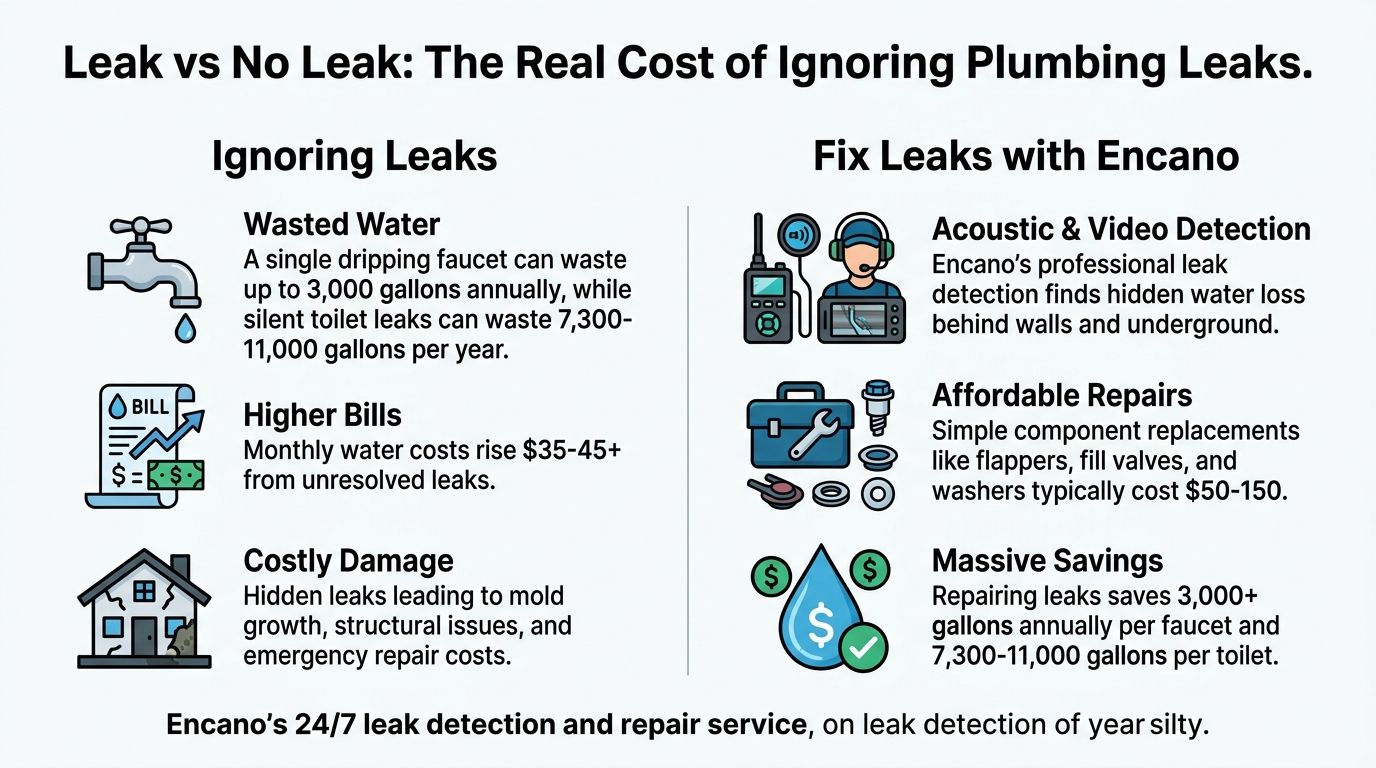
A toilet refills after everyone has left, a tap drips overnight, or a strata unit shows an unexplained rise in water use. These are conservation issues and maintenance warnings. Worn flappers, fill valves, cartridges, loose connections, and concealed pipe leaks can waste water continuously, with hidden moisture causing staining, mould, or structural damage before the source is obvious.
Begin with safe, visible checks. Look under sinks, listen for toilets that refill without use, inspect exposed joints, and compare current use with the property's normal pattern. Add food colouring to a toilet tank, wait without flushing, and check whether colour enters the bowl. This identifies a silent flapper leak without dismantling the fixture.
Practical rule: Repair the source, not only the symptom. A washer, cartridge, flapper, or fill valve may resolve a fixture leak. Moisture behind a wall, beneath a slab, or inside a concealed line needs proper diagnosis.
Indoor demand includes toilets, showers, faucets, laundry, and other everyday fixtures, so leak repair is a useful starting point for Vancouver-area homes, rentals, stratas, and small businesses. Vancouver survey research found that turning off the tap while brushing teeth was rated the least costly behaviour and the action respondents were most likely already using or willing to adopt. That habit is easy to support, but a hidden leak deserves priority because it continues when nobody is using the fixture.
For warning signs and investigation steps, read how to spot hidden plumbing leaks in your home. DIY checks suit visible fixtures and accessible toilet components. Encano Plumbing & Drainage Ltd. can use acoustic detection and video tools when the suspected loss is behind a wall, under a slab, or within a concealed line. Arrange an inspection when signs persist, and keep the service number accessible before a small repair becomes an emergency.
2. Install Low-Flow Showerheads and Aerators
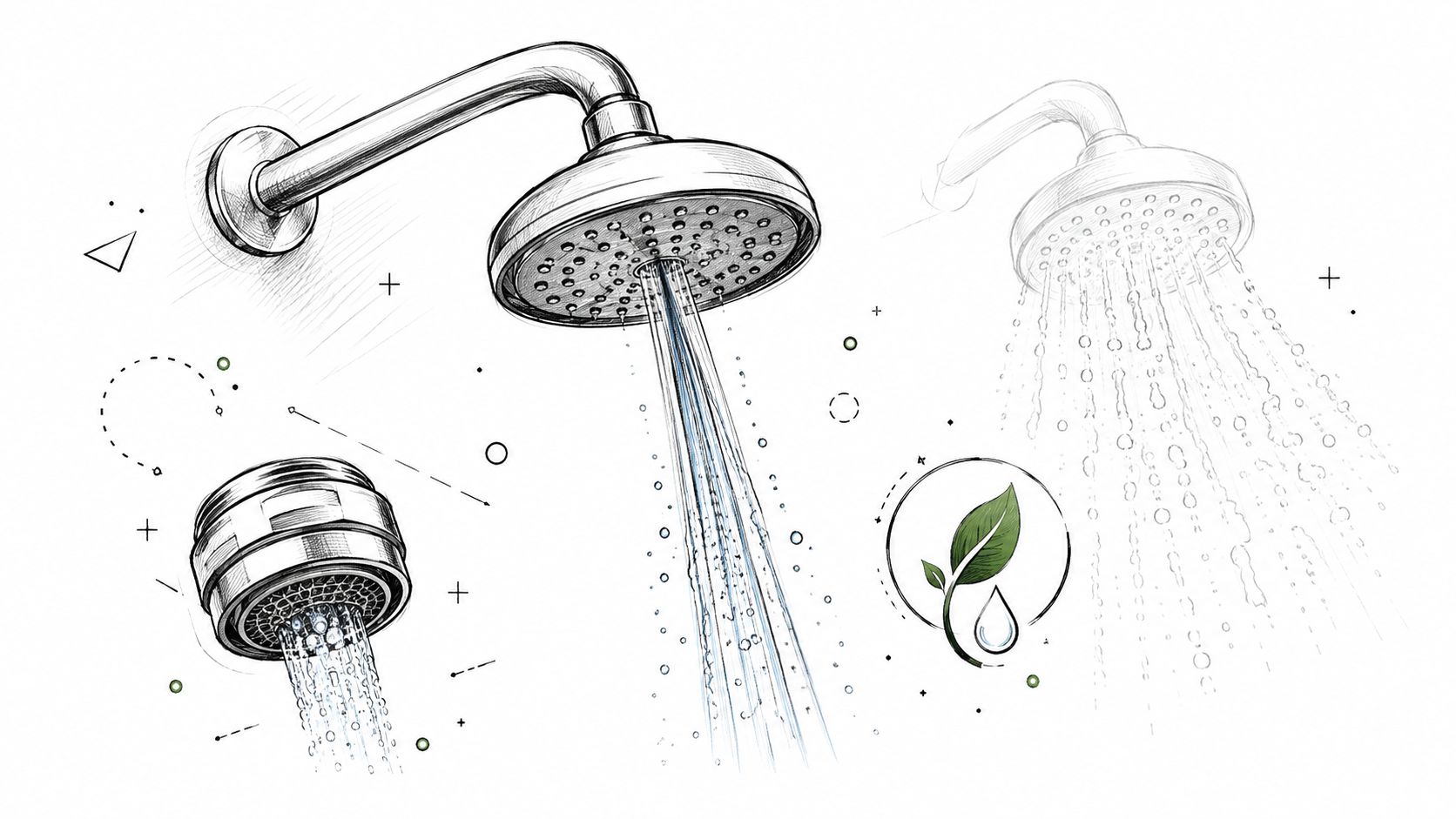
Low-flow fixtures reduce the amount of water delivered during a task without requiring a change in the task itself. A showerhead with a controlled spray can preserve a comfortable shower, while an aerator mixes air into the stream and reduces faucet flow at the kitchen or bathroom sink.
Choose products based on performance, connection size, and the property's actual needs. A poorly selected fixture may feel restrictive, encourage residents to remove it, or create complaints in a commercial setting. WaterSense-certified products provide a useful performance standard to check before purchase, particularly for a strata or rental property where consistency matters across many units.
Install aerators across the relevant faucets rather than treating one sink in isolation. A kitchen faucet, bathroom basin, utility sink, restaurant pre-rinse station, and staff washroom each present a different use case. In areas affected by mineral deposits, clean aerator screens periodically. Reduced flow won't help if scale blocks the outlet and users leave the tap running longer.
A fixture upgrade works best when residents and staff don't have to think about it.
A practical example is a Burnaby family replacing several older showerheads with efficient models, then pairing the change with shorter showers and prompt leak repairs. The exact benefit depends on shower duration, household size, water temperature, and the water-heating system, so compare actual meter or bill readings rather than relying on a product label alone.
Encano technicians can assess flow, pressure, fixture condition, and connection compatibility during a scheduled plumbing visit. This is especially useful for landlords and building managers who want installation completed consistently without asking each resident to troubleshoot fittings independently.
3. Upgrade to Water-Efficient Toilets
Toilet replacement is one of the clearest fixture decisions because British Columbia's plumbing rules distinguish between standard and low-consumption water closets. The maximum flush volume is 13.25 litres per flush for standard water closets, while low-consumption water closets are capped at 6 litres per flush under the provincial plumbing regulation. On every flush, that difference can be substantial.
Older toilets may also have poor bowl performance, cracked components, repeated clogs, or worn flappers that allow water to pass without sound. Replacing the entire unit can make more sense than repeatedly changing internal parts, but the right choice depends on rough-in dimensions, drain condition, bathroom layout, and the user's flushing needs.
Choose performance before appearance
Dual-flush models can suit homes and low-occupancy offices where users understand the controls. A dependable single-flush low-consumption model may be a better choice for a busy commercial washroom or rental property because simple operation can reduce misuse and service calls. Look for recognized efficiency certification, a suitable bowl shape, accessible parts, and a professional installation plan.
A Vancouver small office replacing aging toilets should first document the number of fixtures, usage patterns, and existing problems. The manager can then compare purchase and installation costs against observed water use and confirm whether a current utility program applies. Never assume a past rebate is still available.
For warning signs that replacement may be more sensible than repair, use these toilet replacement indicators. Encano can verify the rough-in, remove the old fixture, install the new toilet, and test for leaks and proper drainage. In a multi-unit building, coordinate access, resident notices, shutoff requirements, and post-installation checks so the upgrade doesn't create avoidable disruption.
4. Run Full Loads in Dishwashers and Washing Machines
Appliance habits are low-cost and often overlooked. A dishwasher or washing machine uses water for a cycle, so running it before it has a useful load can waste capacity even when the machine itself is efficient. Full-load operation usually delivers the best balance between water, energy, convenience, and fabric or dish care.
Use the cycle that matches the load. An eco setting can suit lightly soiled dishes or laundry, while heavily soiled items may need a stronger cycle to avoid rewashing. Avoid pre-rinsing dishes unless the appliance instructions specifically require it. Scrape food into compost or waste, load the machine properly, and let the dishwasher do the cleaning it was designed to perform.
Full-load habit: Gather dishes during the day and run one properly loaded cycle instead of several lightly filled cycles.
A Vancouver household can place a simple reminder beside the dishwasher and set the washing machine to the correct load setting. A Richmond strata can communicate the same principle to residents through a building notice, while a New Westminster restaurant can review whether staff run partially loaded commercial cycles during quiet periods. The appropriate response differs by property. A restaurant may need operational changes and equipment settings, whereas a home may only need a better routine.
Inspect supply hoses, drain connections, door seals, and shutoff valves as part of appliance maintenance. A machine that leaks during operation can erase the benefit of efficient cycles and may damage cabinetry or flooring. If an appliance is moved, replaced, or connected in a difficult location, have a plumber verify the connections rather than relying on a temporary hose arrangement.
5. Insulate Hot-Water Pipes
Water waste often happens before a shower, sink, or kitchen tap reaches a usable temperature. Long, uninsulated hot-water runs lose heat as water travels, so occupants keep the tap open and send cool water down the drain while waiting.
Pipe insulation can reduce that delay, but it isn't a substitute for correcting an oversized or poorly routed system. Prioritize accessible hot-water pipes in basements, crawl spaces, mechanical rooms, and other unheated areas. Closed-cell foam is practical where moisture resistance matters, and insulation sections should meet neatly so heat doesn't escape through gaps.
Start with the longest accessible runs
A Vancouver home with a basement water heater and an upstairs bathroom may benefit from insulating the exposed portion of the route first. The homeowner should time the wait before the improvement, then repeat the observation afterward. That gives a property-specific measure without promising a fixed result.
Keep shutoff valves, unions, service points, and equipment labels accessible. Don't wrap components that require ventilation, inspection, or heat clearance. Gas appliances and water heaters need particular care, so have a qualified technician assess the area before adding material around the equipment.
A Burnaby rental property manager can include exposed pipe insulation in a broader maintenance visit. Encano technicians can identify heat-loss areas, check for leaks or corrosion, and explain whether insulation, recirculation changes, fixture relocation, or point-of-use heating is the more appropriate fix. The best choice depends on pipe length, occupancy, hot-water demand, and the condition of the existing system.
6. Consider Tankless Water Heating
Tankless water heaters heat water as demand occurs rather than storing a full tank at temperature. That can reduce standby losses and may improve efficiency, but the equipment isn't automatically the right answer for every Vancouver property. Upfront cost, gas capacity, electrical requirements, venting, flow rate, maintenance, and simultaneous demand all matter.
Start with a demand assessment. Count likely simultaneous showers, kitchen use, laundry, and commercial fixtures. A unit sized only for average use may struggle during peak demand, while an oversized system can add cost without solving the actual problem. In a home with a bathroom far from the heater, a point-of-use unit or piping adjustment may address water waste more directly than replacing the central system.
Good decision-making: Don't buy a tankless heater solely because it promises instant hot water. Confirm how the water reaches each fixture and what the property can safely support.
A New Westminster commercial building with widely separated sinks may need a different design from a compact Vancouver home. Encano can assess gas-line capacity, venting, incoming water conditions, fixture demand, and maintenance access before recommending a system. Existing homes may require additional gas or venting work, and that work should be included in the project scope.
For a balanced comparison of storage and on-demand systems, read traditional versus tankless water heaters. Annual professional maintenance helps protect performance, especially where mineral buildup affects heat exchangers. If a rental owner is considering the change, document tenant hot-water complaints, equipment age, service history, and actual utility use first.
7. Use Water Filtration Where It Solves a Real Problem
Filtration can support conservation indirectly by making tap water more appealing. A household that dislikes taste, chlorine odour, sediment, or mineral effects may rely heavily on bottled water. Treating the drinking point can reduce that dependence, but filtration only works well when the system matches the water concern and receives regular maintenance.
Whole-house filtration treats incoming water for multiple fixtures. Under-sink filtration focuses on a kitchen tap or another specific point, which can be more economical when the concern is drinking and cooking water rather than bathing or laundry. Reverse osmosis may suit particular quality goals, but it requires correct installation, replacement components, and ongoing attention to the manufacturer's maintenance requirements.
Test first, then choose
Don't select a filter from taste alone. Have the water assessed, review the manufacturer's claims, and confirm the system's flow and pressure requirements. A filter that restricts flow or is left unchanged beyond its service interval can create poor performance and hygiene concerns.
A Burnaby homeowner who wants better drinking water may need only an under-sink unit. A Richmond strata with recurring tenant complaints may need a building-level assessment rather than a universal installation in every suite. A New Westminster office can make filtered tap water more convenient for staff without installing treatment at every fixture.
Encano provides water filtration assessment, installation, and maintenance for residential and commercial properties. Ask for a clear explanation of what the selected system treats, where it will be installed, how cartridges are replaced, and what access is needed for servicing. That approach keeps the upgrade connected to an actual water-use problem instead of turning conservation into an unnecessary equipment purchase.
8. Plan Irrigation Around Plants and Local Restrictions
Outdoor watering deserves careful planning, but the correct action changes with the season and restriction stage. Metro Vancouver Stage 1 rules allow residential lawn watering one morning per week. Even-numbered addresses can water on Saturdays and odd-numbered addresses on Sundays. Automatic watering is permitted from 5:00 a.m. to 7:00 a.m., while manual watering is allowed from 6:00 a.m. to 9:00 a.m., as set out in the regional restriction summary.
A homeowner at 1234 Main Street in Vancouver with an odd-numbered address can run an automatic lawn sprinkler on Sunday during the permitted morning window under Stage 1. If the homeowner switches to a hose or watering can, manual watering can continue within the separate manual window. Always check the current stage before acting, because a schedule that was acceptable earlier may become prohibited.
Water the root zone, not the pavement
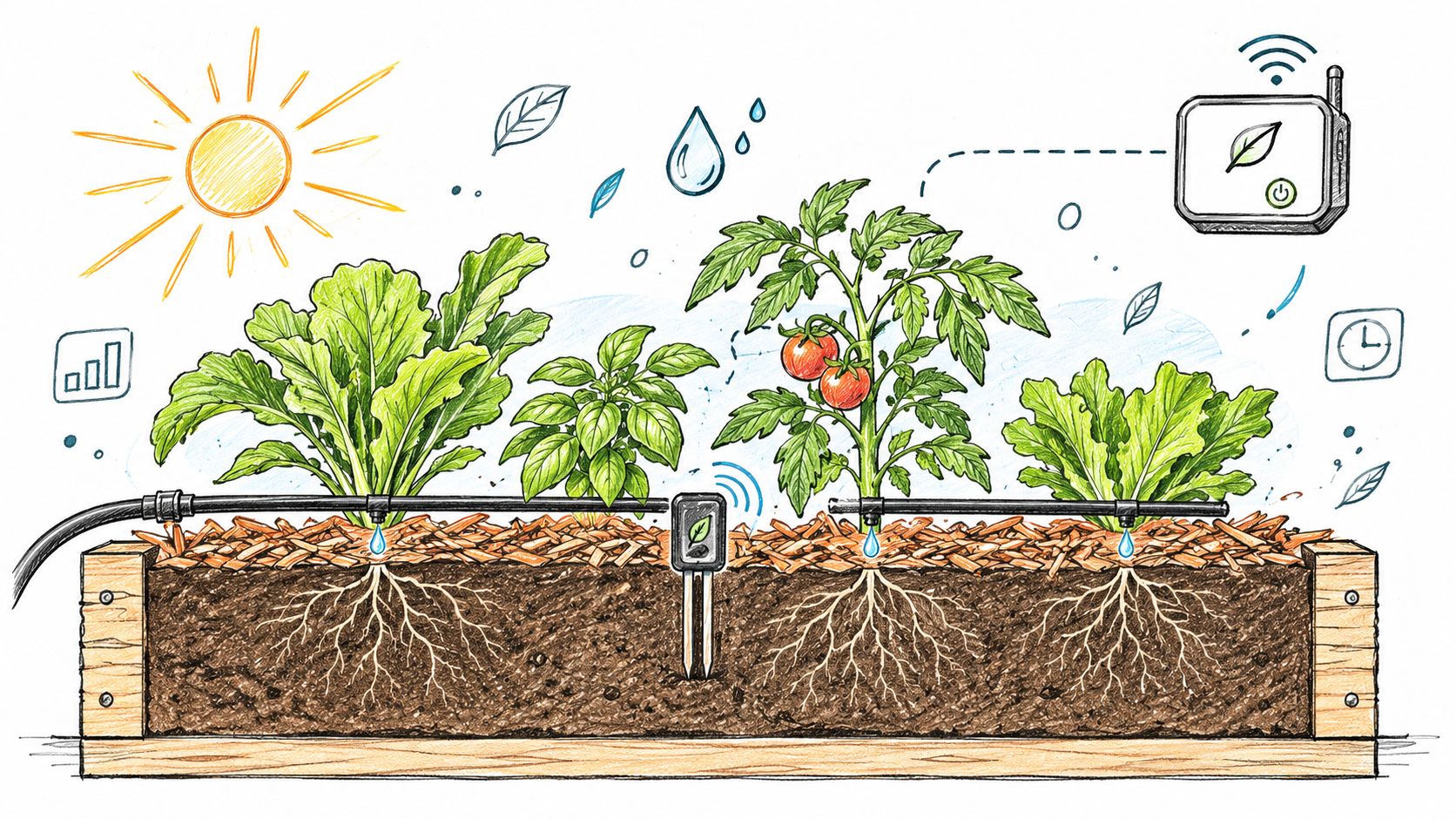
Drip irrigation, hand watering, rain shutoff devices, soil-moisture sensors, and properly adjusted controllers can reduce runoff and overspray. Water early in the permitted period, check sprinkler alignment, repair broken heads, and use mulch around plants. Deep, appropriately timed watering is generally more useful than frequent shallow applications, but plant type and soil conditions still control the schedule.
Under Stage 3 restrictions, lawn watering remains banned. Sprinklers and soaker hoses are prohibited for trees, shrubs, and flowers, while hand watering or drip irrigation is allowed any time, and vegetable gardens may still be watered any time, according to regional coverage of the Stage 3 rules.
The City of Vancouver states that watering outside permitted times can result in a $250 fine, with seasonal rules running from May 1 to October 15 for homes and businesses, as explained in the city's seasonal notice. A commercial operator should program controllers, train staff, and inspect irrigation zones rather than assuming brief watering is exempt.
9. Capture Rainwater for Suitable Non-Potable Uses
A rain barrel connected to a downspout can supply garden beds, but indoor use requires a different level of planning. Rainwater systems should match the available roof area, storage space, intended demand, overflow route, structural support, and local requirements.
For a Richmond homeowner, a small barrel may be a practical starting point. Use a stable base, screened openings, and a first-flush diverter where appropriate to limit debris. Keep overflow directed safely away from foundations and neighbouring properties. Plan cleaning access before installation, and protect stored water and exposed pipework from winter conditions.
Irrigation is generally the simplest non-potable use. Toilet flushing or laundry requires dedicated plumbing, clear labelling, filtration where needed, pumps, and backflow protection. The system must prevent any cross-connection with drinking-water lines. A professional should review separation, pump operation, maintenance access, and the proposed connection before indoor integration.
A Vancouver strata or small commercial property may have enough roof area to consider larger storage, but tank capacity should follow actual demand rather than available space alone. Compare equipment, cleaning, pump energy, maintenance, winter protection, and safe overflow work before committing. A tank that rarely fills or cannot be maintained may provide little practical benefit.
Rainwater is useful only when the collection, storage, and delivery system is safe, maintainable, and matched to demand.
Check plumbing requirements and municipal bylaws in Vancouver, Richmond, Burnaby, or the relevant municipality before construction. Encano Plumbing & Drainage Ltd. can assess whether a proposed system fits the existing plumbing while protecting potable water.
The following video provides a visual introduction to rainwater harvesting concepts.
10. Schedule Plumbing Inspections Before Loss Becomes Damage
A professional inspection turns water conservation from a habit campaign into a property-maintenance process. It can identify slow leaks, deteriorating supply lines, pressure concerns, blocked drains, corroded connections, and sewer defects that aren't obvious during a casual visual check.
Homeowners can begin with fixture checks and unusual bill monitoring. Professional work becomes more important when the loss is concealed, the building has repeated plumbing complaints, access is difficult, or a manager needs documentation for a multi-unit property. Video inspection can show the inside of a drain or sewer line, while acoustic detection can help locate pressurized water escaping behind finishes.
Match inspection frequency to risk
A rental property with recurring leaks needs a different plan from a newer, well-maintained home. A strata manager should track repeat work orders by suite, riser, fixture type, and location. A small business should review washrooms, kitchen connections, hot-water systems, and irrigation before peak operating periods.
Request a written report with photographs, observed conditions, recommended actions, and urgency. Keep inspection records with maintenance and insurance documents. If a technician identifies a problem, ask what happens if repair is delayed, whether a temporary measure is safe, and which work requires immediate access.
A Burnaby property manager can coordinate inspections across suites to reduce missed appointments. A Richmond strata can arrange a main-line video inspection when recurring drainage symptoms suggest a shared issue. A Vancouver homeowner can ask for a targeted leak investigation rather than paying for unrelated upgrades. Encano uses video inspection and acoustic leak detection among its diagnostic tools, helping match the investigation to the suspected source.
11. Revisit Rainwater Harvesting at the Property-Planning Stage
Property planning is the right time to decide whether rainwater harvesting fits the site. A homeowner may need only a simple garden-water source. A strata or small business may need to coordinate stormwater, irrigation, and non-potable water with building access, maintenance, and future renovations.
Start with the intended demand. Review roof area, seasonal rainfall, available storage space, irrigation timing, and the route overflow will take when the tank is full. A small system may overflow often, while an oversized tank can add installation and maintenance costs without matching actual use.
Choose the system before buying equipment
An outdoor barrel used for hand watering is separate from a cistern connected to toilets or other indoor fixtures. Indoor non-potable systems require careful design for backflow prevention, labelling, pump controls, filtration, inspection, and safe separation from potable plumbing. Do not connect harvested water to drinking-water lines without the required design and approval process.
A New Westminster business with planted frontage might use a small tank for occasional hand watering. A larger operation needs a demand profile, suitable tank placement, safe access, overflow control, and a maintenance schedule. A strata may begin with common-area irrigation and assess indoor uses later.
Confirm current municipal bylaws, permits, plumbing requirements, and storage or use restrictions before ordering equipment. Encano Plumbing & Drainage Ltd. can review existing drainage and plumbing conditions and assess whether the proposed system suits the property. For Vancouver-area homes, rentals, stratas, and small businesses, that review can identify access, drainage, and maintenance constraints before installation costs are committed.
11 Water-Saving Strategies Comparison
| Measure | Implementation Complexity 🔄 | Resource Requirements ⚡ | Expected Outcomes 📊 | Ideal Use Cases 💡 | Key Advantages ⭐ |
|---|---|---|---|---|---|
| Fix Leaks: Faucets, Taps, and Toilets | Low–Medium, simple DIY fixes to professional detection for hidden leaks 🔄 | Parts $10–150; professional acoustic/video detection for hidden leaks | Immediate large savings (≈3,000+ gal/faucet; 7,300–11,000 gal/toilet) and prevents damage 📊 | Any home or building with drips, older fixtures, or unexplained high bills 💡 | High effectiveness ⭐⭐⭐⭐; fast ROI; prevents structural/mold damage |
| Install Low-Flow Showerheads & Aerators | Low, straightforward DIY or quick pro install 🔄 | $10–50 per fixture; minimal tools/time ⚡ | ~2,900 gal/year saved per showerhead; lower hot-water use 📊 | Homes, rentals, hotels, kitchens and bathrooms in need of quick upgrades 💡 | Cheap, quick install, maintains pressure ⭐⭐⭐ |
| Upgrade to Water-Efficient Toilets | Medium, replacement may require pro install and rough‑in checks 🔄 | $150–400 per toilet; possible labor/plumbing adjustments ⚡ | Large reduction (≈50–60% toilet water use; ~13,000+ gal/household) 📊 | Homes with old toilets; multi-unit upgrades to maximize rebates 💡 | Major water savings, rebate-eligible, no behavior change needed ⭐⭐⭐⭐ |
| Run Full Loads in Dishwashers & Washing Machines | Low, behavioral change or appliance upgrade 🔄 | No-cost behavior; $400–800+ for ENERGY STAR appliances ⚡ | Dishwashers use ~67% less water than handwashing; HE washers save 40–60% 📊 | Households, commercial kitchens, laundry-heavy sites seeking immediate savings 💡 | Immediate, no-install savings; reduces energy with hot-water savings ⭐⭐⭐ |
| Insulate Hot Water Pipes | Low, easy DIY or quick pro job 🔄 | $0.50–2.00 per linear ft; small time investment ⚡ | Reduces heat loss 25–45%; saves ~400–600 gal/yr and speeds hot-water delivery 📊 | Long pipe runs, unheated basements/crawlspaces, older homes 💡 | Low cost, fast payback, faster hot water delivery ⭐⭐⭐ |
| Install Tankless Water Heaters | High, retrofit with gas/electrical/venting work required 🔄 | $1,200–3,000+ installed; potential gas/electrical upgrades; maintenance needs ⚡ | 30–50% lower water-heating costs; saves ~700–1,800 gal/yr from standby loss 📊 | Space-limited homes, high-demand households, point-of-use needs 💡 | Unlimited hot water, long lifespan, strong energy savings ⭐⭐⭐⭐ |
| Upgrade to Whole‑House or Under‑Sink Filtration | Medium, proper sizing and professional install recommended 🔄 | $200–2,500+ upfront; ongoing filter cartridge costs ($50–150/yr) ⚡ | Improved tap quality; reduces bottled-water purchases and related costs/ waste 📊 | Properties with taste/contaminant concerns, multi-fixture needs, offices 💡 | Encourages tap use, protects plumbing, long-term cost savings ⭐⭐⭐ |
| Optimize Irrigation & Outdoor Water Use | Medium–High, design, install, and program smart systems 🔄 | Smart controllers $100–400; drip installation labor and sensors ⚡ | Cuts outdoor use 20–50%; lowers peak-season bills and runoff 📊 | Large lawns, gardens, strata/HOAs, commercial landscapes 💡 | Targeted watering, weather-based scheduling, strong seasonal savings ⭐⭐⭐⭐ |
| Install Rainwater Harvesting Systems | Medium–High, tanks, pumps, filtration and possible permits 🔄 | $300–3,000+ (50 gal barrels to cisterns); pumps/filters and maintenance ⚡ | Replaces ~40–50% municipal water for non‑potable uses; reduces runoff 📊 | High-rainfall regions, irrigation-heavy properties, toilet/laundry retrofits 💡 | Significant municipal water reduction, lower bills, runoff control ⭐⭐⭐⭐ |
| Conduct Regular Plumbing Inspections | Low–Medium, schedule pro inspections with diagnostic tools 🔄 | $150–400 per inspection; uses video/acoustic equipment ⚡ | Early detection prevents large losses and costly repairs; reduces water waste 📊 | Older homes (>15 yrs), multi-unit buildings, preventive maintenance plans 💡 | Prevents emergencies, extends system life, saves water long-term ⭐⭐⭐⭐ |
Turn Water Savings Into a Property Maintenance Plan
Water conservation works best as a sequence of decisions, not a collection of disconnected products. Start today with the fixtures you can see. Check toilet tanks for silent leaks, inspect under-sink connections, listen for unexplained refilling, and note any sudden change in water use. Repair visible leaks before spending money on equipment that may produce a smaller benefit.
Next, review how water moves through the property. If occupants wait a long time for hot water, inspect exposed pipe runs, routing, insulation, and the water-heating system. If outdoor use is high, map irrigation zones, check sprinkler alignment, inspect drip lines, and confirm the current Metro Vancouver restriction stage. A controller that waters at the wrong time isn't efficient, even if it has a “smart” label.
Then compare upgrades against actual conditions. Low-consumption toilets can be a strong choice where older fixtures use more water or need repeated repairs. Aerators and efficient showerheads can make sense when flow is excessive but pressure remains adequate. Tankless water heating may suit a property with the right demand profile and gas or electrical capacity, but it isn't a universal shortcut. Filtration can reduce bottled-water dependence when taste or water-quality concerns drive purchasing, but only a correctly selected and maintained system will serve that purpose well.
Use measured observations wherever possible. Record the fixture problem, the number of occupants or users, the current water bill pattern, the age of the equipment, and the likely repair or replacement scope. Savings are property-specific, and any estimate should account for occupancy, usage, fixture condition, property size, and local rates. Confirm current municipal rebate rules with the relevant utility before purchasing a toilet, appliance, irrigation controller, rainwater component, or other eligible equipment. Don't rely on an old program description or an assumed rebate.
Different properties need different next steps:
- Homeowners: Book a leak inspection or fixture assessment, then combine visible repairs with targeted upgrades rather than replacing equipment without diagnosis.
- Landlords and strata managers: Request a multi-unit assessment that tracks recurring leaks, toilet failures, access requirements, and common-area irrigation.
- Small commercial operators: Schedule a water-use review covering washrooms, kitchens, hot-water delivery, appliances, pressure, and outdoor systems.
- Facility managers: Ask for written findings, photographs, repair priorities, and maintenance records that support budgeting and compliance.
Encano Plumbing & Drainage Ltd. serves Vancouver, Richmond, Burnaby, New Westminster, Delta, Surrey, and nearby communities with scheduled and emergency plumbing services. Its work includes leak detection and repair, toilet installation, sewer inspection, water-heater service, drainage, and whole-house or under-sink filtration. For a property-specific plan, visit Encano Plumbing & Drainage Ltd. to review booking and service information.
Encano Plumbing & Drainage Ltd. can inspect hidden leaks, repair failing fixtures, install water-efficient toilets and water heaters, and assess filtration or drainage needs. Homeowners, landlords, strata managers, and small businesses can visit Encano Plumbing & Drainage Ltd. to arrange a water-use review or targeted plumbing service.