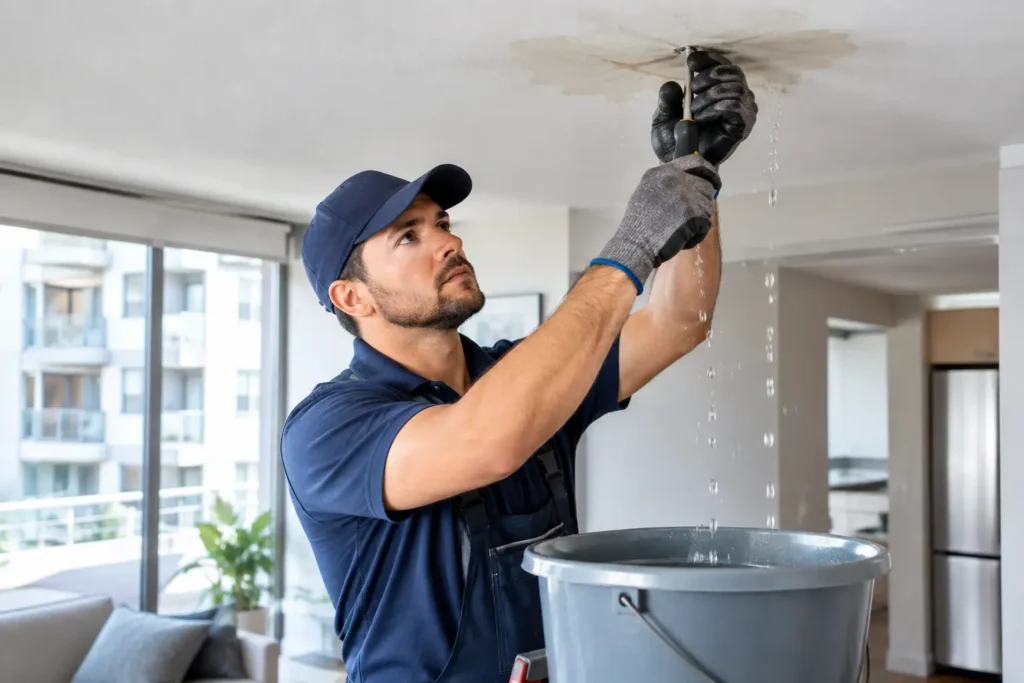
A leak in one apartment can become a building-wide problem before anyone sees a drip. Water follows framing, pipe chases, ceilings, and walls, often damaging the unit below or beside the original source. Effective multifamily leak repair is about more than stopping visible water. It requires a fast response, accurate diagnosis, clear communication, and repairs that protect residents and the property for the long term.
For landlords, strata councils, property managers, and facility teams, the stakes are high. A delayed repair can mean damaged drywall, mold concerns, disrupted tenants, insurance claims, and repeat service calls. The right approach limits downtime while giving everyone confidence that the actual cause has been addressed.
Why Multifamily Leaks Need a Different Response
A detached home may have one owner making decisions and one household affected by a plumbing failure. In an apartment, condo, townhouse complex, or mixed-use property, a leak can involve multiple residents, common areas, building systems, and questions about access or responsibility.
The water stain on a ceiling is not always where the leak started. A failed shower drain on the fourth floor may show up as a wet ceiling in the third-floor unit. A pinhole leak in a domestic water line can travel along a pipe, collect in insulation, and appear several feet from its source. That is why cutting into the first damp spot without proper investigation can create unnecessary disruption and still miss the problem.
Multifamily properties also tend to have more complex plumbing layouts. Shared risers, recirculation lines, mechanical rooms, stacked bathrooms, aging shutoff valves, and renovation work from different eras all affect how a leak should be isolated and repaired. Quick action matters, but so does choosing a repair method that fits the building.
The First Priority: Stop Water and Protect People
When water is actively flowing, the immediate goal is containment. If it is safe to do so, shut off the fixture valve or the local branch valve. Avoid using electrical switches or appliances near standing water, and keep residents away from affected areas where ceilings are sagging or materials may fall.
Property managers should document the time the leak was discovered, the units affected, and any steps already taken. Photos and short notes are useful for maintenance records and insurance communication, but documentation should never delay emergency service.
For a serious plumbing emergency, the response should generally follow four priorities:
- Stop or reduce the water flow at the nearest safe shutoff point.
- Protect occupants and isolate areas with electrical or ceiling-safety concerns.
- Contact a qualified plumber who can locate the source and make an emergency repair.
- Begin drying and restoration promptly after the leak is controlled.
Residents often try to help by turning off a valve under the sink or behind a toilet. That can be effective for a fixture leak, but it may not help with a hidden pipe failure, a drain leak, or a shared line. If the source is unclear, avoid repeatedly turning valves or opening walls without guidance. A controlled assessment usually saves time and damage.
Finding the Source Before Repairing the Damage
Reliable leak repair begins with diagnosis. A plumber may inspect visible plumbing connections, test fixtures one at a time, check water pressure, and use moisture readings to map where water has traveled. Depending on the situation, leak detection may involve thermal imaging, acoustic equipment, camera inspection, or targeted access openings.
The type of water provides important clues. Clean water from a supply line requires quick control and drying, but may be less hazardous than wastewater. Water associated with a toilet drain, sewer line, or backup needs a more cautious response because contamination can affect flooring, walls, and belongings. A roof or exterior-envelope leak can look like a plumbing issue, especially during heavy rain, so the investigation should stay open until the source is confirmed.
Testing matters because some leaks occur only when a fixture is in use. A shower pan may leak during bathing but not when the faucet runs into a bucket. A washing machine connection may fail during a drain cycle. A toilet can leak only when flushed, while a failed wax ring may cause staining below with no obvious water around the toilet base.
This is where experience makes a practical difference. The goal is not to guess based on the stain. The goal is to identify the failed component, understand how far moisture has spread, and make the least disruptive access necessary to complete a proper repair.
Common Multifamily Leak Repairs
The repair itself depends on the source, the pipe material, and the condition of nearby plumbing. A loose supply connection may require a straightforward replacement. A failed angle stop, toilet fill valve, dishwasher hose, or washing machine valve can often be repaired within one visit if access is available.
Hidden pipe leaks need more planning. Older buildings may have galvanized steel, copper, polybutylene, PEX, or a mix of materials from previous repairs. Replacing a short damaged section can be appropriate when the rest of the line is in good condition. If several pinhole leaks have developed in the same system, spot repairs may only provide temporary relief. In that case, a property manager may need to consider a phased pipe replacement or repiping strategy.
Drain leaks are another common issue. Failed joints, cracked fittings, deteriorated cast iron, and poorly sealed shower drains can allow water to escape slowly for months. These repairs may require opening a ceiling below, accessing a wall behind a fixture, or removing limited floor or tile finishes. The trade-off is clear: minimizing access is desirable, but insufficient access can leave damaged pipe or wet material behind.
For condo and apartment buildings, responsibility may also need clarification. A fixture supply line inside a unit may fall under one party’s responsibility, while a shared vertical riser or common drain stack may be handled by the building. Plumbing professionals can identify the source and affected system, while building documents and management policies determine how costs are assigned.
How to Limit Disruption for Residents
Leak repair does not have to turn into chaos. Clear communication helps residents prepare for water shutoffs, entry requirements, noise, and restoration work. Give affected occupants a realistic window whenever possible, explain what areas will be accessed, and let them know whether they need to avoid using a bathroom, kitchen, or laundry appliance.
Planned shutoffs are especially important in occupied buildings. A short interruption during normal daytime hours may be preferable to an emergency shutoff later. However, an active leak changes the calculation. When water is causing damage, fast isolation takes priority, even if it creates temporary inconvenience.
A professional repair team should protect work areas, use clean access methods, and leave the site safe after each stage. In buildings throughout Vancouver and nearby communities, that also means working respectfully around tight parking, elevators, tenant schedules, and shared hallways. Good plumbing service includes the jobsite experience, not only the pipe repair.
Preventing the Next Leak
The most cost-effective leak is the one that never reaches a finished ceiling. Multifamily preventive maintenance should focus on the places most likely to fail: aging shutoff valves, water heater connections, toilet components, appliance hoses, exposed mechanical-room piping, drain stacks, and high-use common-area fixtures.
Regular inspections can identify corrosion, moisture around fittings, slow toilet leaks, unstable water pressure, and signs of past repairs. It is also wise to verify that unit and floor shutoff valves operate properly. A valve that cannot close during an emergency turns a small leak into a much larger event.
Property teams should track repeat calls by unit, stack, pipe material, and fixture type. Patterns matter. Three similar leaks over a year may point to aging infrastructure rather than isolated bad luck. That information helps managers budget for meaningful repairs instead of reacting to one emergency after another.
When to Call for Professional Multifamily Leak Repair
Call for prompt plumbing help when water is entering another unit, a ceiling is wet or sagging, a pipe is visibly leaking, water pressure suddenly changes, or a fixture leak cannot be isolated. Even a slow leak deserves attention when it affects drywall, flooring, cabinetry, or a shared plumbing line.
Encano Plumbing & Drainage helps property managers and residents address urgent leaks with practical diagnostics, clear communication, and dependable repair work. Whether the solution is a targeted pipe repair or a broader plan for aging plumbing, the best next step is to control the water, confirm the source, and fix the problem before it reaches another unit.