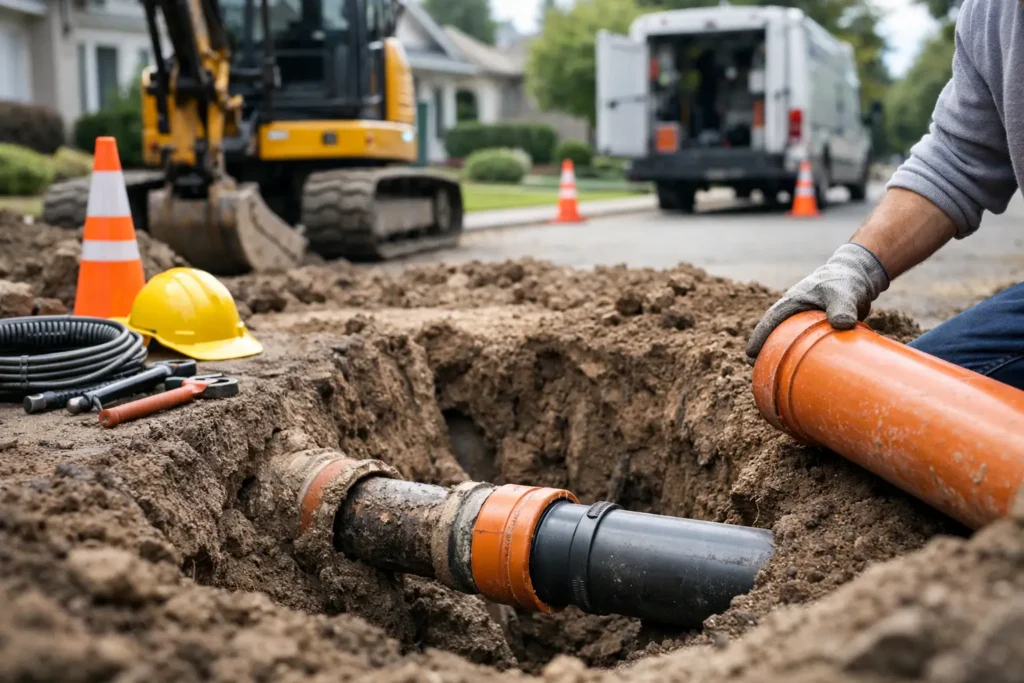
A sewer problem rarely starts with a dramatic flood. More often, it begins with a toilet that bubbles when the washing machine drains, a basement shower that backs up, or a stubborn odor near a floor drain. When those signs appear, New Westminster sewer line repair may be needed before a small drainage issue turns into sewage damage inside the property.
For homeowners, landlords, and property managers, the priority is straightforward: stop the immediate risk, find the actual cause, and choose a repair that protects the building without unnecessary disruption. A professional diagnosis matters because many sewer symptoms look alike, but the right solution can range from drain cleaning to replacing a damaged section of pipe.
Signs Your Sewer Line May Need Repair
One slow fixture does not always mean the main sewer line has failed. A single slow sink may have a localized clog in that fixture’s drain. The concern increases when several drains act up at the same time, especially fixtures on the lowest level of the building.
Watch for recurring backups in toilets, tubs, showers, or floor drains. Gurgling sounds after flushing, water rising in a basement shower, sewage odors, or wet patches in the yard can also point to a sewer line problem. If the same drain has been cleared more than once and the issue keeps returning, there may be root intrusion, pipe damage, a low section of pipe, or a blockage farther down the line.
Commercial properties can show different warning signs. Tenants may report repeated washroom backups, drains that fail during busy periods, or odors around utility areas. In an apartment building or retail space, a sewer issue can affect multiple occupants quickly, so early investigation helps limit interruptions and cleanup costs.
If sewage is backing up indoors, avoid using water anywhere in the building until the line is assessed. Running a dishwasher, flushing toilets, or doing laundry can add more wastewater to an already blocked pipe. Keep people and pets away from contaminated water, as it can carry harmful bacteria.
Why Sewer Problems Are Common in Older Properties
New Westminster has many established neighborhoods with older homes and mature trees. That combination can put extra pressure on aging private sewer laterals, which are the pipes that carry wastewater from a building to the public sewer connection.
Older sewer lines may be made from clay tile, cast iron, concrete, or other materials that can crack, corrode, shift, or separate over time. Tree roots are drawn to the moisture around pipe joints and small cracks. Once roots enter the line, they trap paper, grease, and debris until drainage becomes restricted or fully blocked.
Ground movement, settlement, and aging connections can also create a belly in the pipe. This is a low area where water and waste collect instead of flowing freely. Cleaning may restore flow temporarily, but it will not correct a collapsed section, an offset joint, or a pipe with poor slope.
That is why the cheapest first step is not always the lowest-cost long-term answer. A basic clearing can be appropriate for a simple blockage. But when camera footage shows structural damage, repeated clearing can become an expensive cycle that does not solve the underlying problem.
The Best First Step: A Sewer Camera Inspection
Before recommending major work, a qualified plumbing team should identify what is happening inside the line. A sewer camera inspection sends a specialized camera through the pipe, allowing the technician to see the condition of the sewer line in real time.
The inspection can help confirm whether the problem is caused by roots, grease buildup, broken pipe, corrosion, standing water, or a foreign object. It also helps locate the issue and determine whether repair is likely needed on the private side of the connection or whether the concern may involve the municipal sewer system.
This diagnosis is especially valuable for properties with recurring clogs. Without it, a contractor may be treating symptoms instead of addressing the source. Camera inspection also gives property owners clearer information when comparing repair options and planning around tenants, landscaping, or business hours.
New Westminster Sewer Line Repair Options
The right repair method depends on the pipe material, depth, location, extent of damage, and condition of the rest of the line. A responsible recommendation should explain what the camera found, what each option addresses, and where a repair may have limits.
Drain Cleaning and Root Removal
If the sewer pipe is structurally sound, professional drain cleaning may be enough. Mechanical cabling can cut through certain blockages, while hydro jetting uses controlled high-pressure water to remove buildup along the pipe walls. Root removal can restore drainage, but roots often return if there are open joints or cracks in the line.
This approach may be practical when damage is limited or when a property owner needs to restore service quickly while planning a longer-term repair. It is not a permanent fix for a collapsed or severely deteriorated sewer pipe.
Spot Repair
A spot repair replaces a damaged section of sewer line while leaving the sound portions in place. It can make sense when camera inspection shows one clear break, offset, or crushed area and the remainder of the pipe is in good condition.
The trade-off is that excavation may still be needed to reach the damaged area. If an older line has multiple weak points, repairing only one section may not prevent another issue from developing later. The condition of the whole lateral should guide the decision, not just the first visible defect.
Trenchless Sewer Repair
Trenchless repair methods can reduce the need to dig across a lawn, driveway, walkway, or landscaped area. Depending on the pipe condition, a new lining may be installed inside the existing pipe, or a replacement pipe may be pulled through the old route.
Trenchless work can be an excellent option, but it is not suitable for every sewer line. A pipe that is severely collapsed, badly misaligned, or inaccessible may require excavation. The value of trenchless repair is reduced disruption, not a promise that digging will never be required.
Full Sewer Line Replacement
When a line has widespread cracking, heavy corrosion, repeated root entry, poor slope, or multiple repairs over the years, full replacement can offer the most dependable result. It is a larger project, but it may prevent ongoing emergency calls, repeated cleanings, and the risk of future backups.
A proper estimate should account for the pipe route, access, depth, restoration needs, permits where applicable, and any work required around driveways or landscaping. Clear communication on these factors helps prevent surprises once work begins.
Know Where Private Responsibility Ends
Property owners are generally responsible for the sewer line serving their building up to the point where it connects to the public system, but the exact boundary can vary by property and local requirements. If an issue appears to be outside the private lateral, the municipality may need to inspect its portion of the system.
Do not assume the city is responsible simply because the backup is severe, and do not assume all responsibility belongs to the owner without confirming the location of the issue. A camera inspection and accurate line locating can provide the information needed to take the right next step.
For landlords and property managers, documenting the findings is useful. Camera footage, service notes, and repair recommendations can support maintenance records, tenant communication, and decisions about capital improvements.
How to Reduce Future Sewer Line Trouble
No maintenance routine can repair a failing pipe, but good habits can reduce avoidable blockages. Keep wipes, paper towels, hygiene products, and cooking grease out of drains. Even products labeled flushable can catch on roots or rough pipe surfaces. In kitchens, dispose of grease in a container rather than rinsing it into the sink.
Properties with older lines or nearby mature trees may benefit from scheduled sewer inspections or preventive cleaning. The best schedule depends on the line’s condition and history. A property with repeated root intrusion may need more attention than a newer building with a properly installed plastic sewer line.
When repair is needed, choosing a licensed team that explains the findings clearly can make a stressful problem more manageable. Encano Plumbing & Drainage Ltd. helps Greater Vancouver property owners diagnose sewer concerns, restore drainage, and recommend practical repair options with transparent, professional service.
A sewer line does not have to fail completely before action is taken. Addressing repeated backups or unusual drain behavior early gives you more repair choices, more control over costs, and a better chance of keeping sewage where it belongs – out of your home or building.