Email: emergency@encanovan.com | Phone: (604) 764-2031
What Is Considered a Plumbing Emergency?
Learn what is considered a plumbing emergency, which issues need immediate help, and when a leak, clog, or water heater problem can wait.
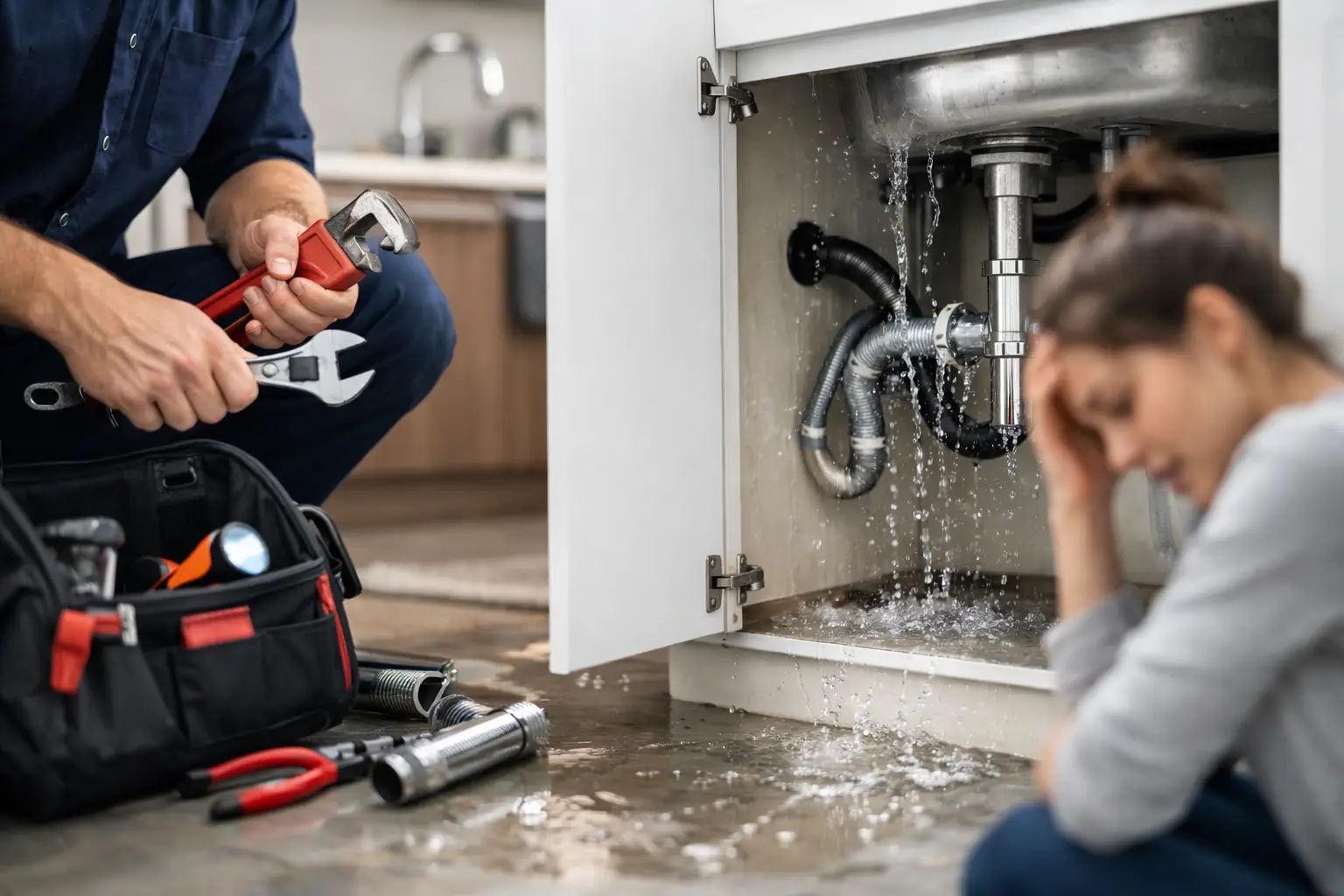
Water coming through the ceiling at 11 p.m. feels like an emergency. A slow drip under the kitchen sink usually does not. Knowing the difference matters because some plumbing problems can cause serious property damage, health risks, or safety hazards within minutes, while others can safely wait for a scheduled visit. If you have ever wondered what is considered a plumbing emergency, the short answer is this: it is any plumbing issue that threatens your safety, your building, or your ability to use essential water and drainage systems.
For homeowners, tenants, landlords, and property managers, the real challenge is not just spotting a plumbing issue. It is figuring out how urgent it is. Acting too slowly can mean water damage, mold, structural problems, or sewage contamination. Panicking over every minor issue, on the other hand, can lead to unnecessary after-hours service calls. The right call depends on what is happening, how fast it is getting worse, and whether you can safely control it.
What is considered a plumbing emergency?
A plumbing emergency is a problem that needs immediate attention because it can quickly damage the property, create unsafe conditions, or stop critical plumbing functions. That includes active flooding, sewage backups, burst pipes, gas line concerns, and situations where there is no access to water or hot water in certain building types.
There is some gray area. A single clogged sink in a home may be inconvenient but not urgent. A clogged drain in a restaurant kitchen, multi-unit building, or medical facility can be much more serious. Context matters. The same plumbing issue can be routine in one property and urgent in another.
The clearest signs you need emergency plumbing service
The most obvious emergency is a burst pipe or major water leak. If water is pouring from a pipe, wall, ceiling, or fixture and you cannot stop it, that is not something to watch and wait on. Water spreads fast, especially into flooring, drywall, insulation, electrical areas, and lower levels. Even a short delay can make repairs much more expensive.
Sewage backing up into tubs, showers, toilets, or floor drains is another true emergency. Wastewater is not just unpleasant. It carries bacteria and creates a sanitation issue right away. If more than one drain is backing up at the same time, there is a good chance the problem is deeper in the main sewer line rather than in a single fixture.
No water at all can also be an emergency, depending on the cause and the type of property. In a single-family home, it may be tied to a shutoff issue, frozen line, major leak, or municipal interruption. In a commercial building or rental property, a full loss of water can disrupt bathrooms, kitchens, fire safety systems, and day-to-day operations. That usually needs prompt attention.
A water heater failure is not always an emergency, but sometimes it is. If the unit is leaking, making loud popping or cracking noises, or showing signs of pressure problems, it should be checked quickly. If you simply have no hot water, that may be urgent or non-urgent depending on the building, occupants, and whether there are health or operational needs involved.
Gas-related plumbing issues should always be treated seriously. If you smell gas near a water heater, boiler, stove connection, or gas line, that goes beyond a standard plumbing repair. Leave the area if needed and follow gas safety procedures right away. Safety comes first.
Plumbing problems that usually can wait
Not every problem needs a midnight service call. A dripping faucet, a running toilet that still flushes, or a slow drain in one sink is usually not an emergency if it is contained and not causing overflow. These problems still deserve repair because they waste water and can get worse, but they often can be scheduled during regular business hours.
A minor leak under a sink may also be manageable if you can place a bucket underneath, turn off the fixture valve, and keep the area dry until a plumber arrives. The key question is whether the leak is stable and controlled. If it is spreading into cabinets, walls, or flooring, the urgency changes.
Low water pressure is another issue that depends on severity. If one shower has weak pressure but the rest of the property works normally, it is probably not an emergency. If pressure drops suddenly throughout the entire building, especially along with discoloration or strange noises, it may point to a larger problem.
It depends on damage, safety, and containment
When people ask what is considered a plumbing emergency, the best answer is often based on three things: Can it cause immediate damage? Is there a health or safety risk? Can you contain it safely until morning?
If the answer to the first two is yes, call for emergency service. If the problem is contained, isolated to one fixture, and not creating a hazard, you can often wait for a scheduled appointment.
This is especially true in apartments, mixed-use properties, and commercial buildings. A leak in one unit can affect the ceiling below. A drain issue in one washroom may shut down a business. Property managers often need to think beyond a single fixture and consider liability, tenant disruption, and building systems.
What to do before the plumber arrives
The first step is to shut off the water if you can do it safely. For a localized issue, that may mean turning off the valve under a sink or behind a toilet. For a major leak, use the main water shutoff for the property. Every homeowner and building manager should know where that valve is before an emergency happens.
Next, turn off power in the affected area if water is near electrical outlets, appliances, or panels. Do not step into standing water around electrical hazards. If there is any doubt, stay clear and wait for professional help.
Move valuables, rugs, paper records, and electronics away from the leak if possible. If sewage is involved, keep people and pets out of the area. Do not use chemical drain cleaners while waiting for service. They often do not solve the real problem and can make repairs harder and less safe.
If the issue involves a water heater, boiler, or gas line, shut the system down only if you know how to do it safely. If not, it is better to leave it alone and call for help.
Common emergency scenarios in homes and buildings
In everyday service work, the emergencies that cause the most damage are usually not the dramatic ones people expect. A pipe that splits behind a wall, a failed shutoff valve, or a clogged main line can quietly turn into a major cleanup job. In older homes and buildings, worn pipes, corrosion, shifting lines, and aging fixtures make emergency calls more likely.
Cold weather can also raise the risk. Frozen pipes may look harmless until they thaw and burst. Heavy rain can expose drainage and sump issues. In busy buildings, heavy fixture use can reveal sewer or water pressure problems fast. That is why a problem should be judged by its actual impact, not just by how small it looks at first glance.
For local property owners in Vancouver and nearby areas, older infrastructure, rainy conditions, and multi-unit living can all make plumbing issues spread faster than expected. A problem that starts in one bathroom can quickly become a building-wide disruption.
When in doubt, call and describe the symptoms
One of the smartest things you can do is call a licensed plumber and explain exactly what is happening. You do not need to diagnose the issue yourself. Describe what you see, hear, and smell. Mention whether the water is clean or dirty, whether more than one fixture is affected, and whether you have been able to shut anything off.
A good plumbing team will help you figure out whether it needs immediate service or whether it can wait until the next available appointment. That kind of guidance matters because emergency service should be used when it is truly needed, but real emergencies should never be delayed.
At Encano Plumbing & Drainage Ltd., that practical approach is part of the job. People need clear answers, fast response, and fair recommendations, especially when water is where it should not be.
The best rule is simple: if a plumbing problem is actively damaging your property, creating a health or safety risk, or taking out an essential part of your plumbing system, treat it like an emergency and get help right away.