
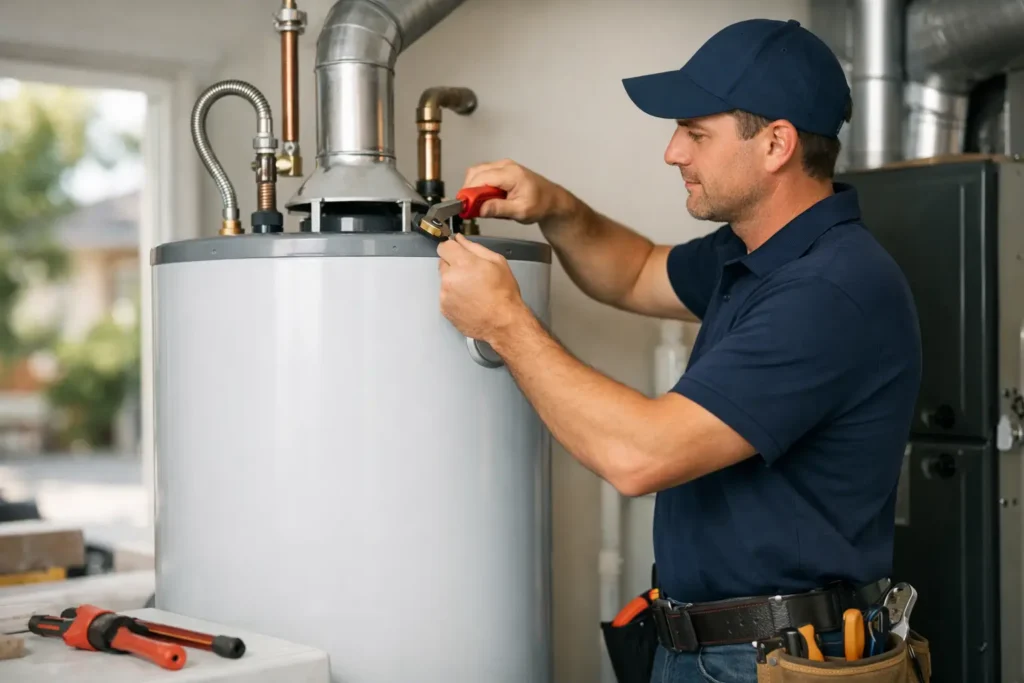
A failed water heater rarely gives much notice. One day the shower takes longer to warm up, or a small puddle appears near the tank. Then there is no hot water at all. A professional Burnaby hot water tank installation replaces that uncertainty with a safe, properly sized system that fits your household or building’s real demand.
For homeowners, landlords, and property managers, the goal is not simply to get a new tank in place. It is to avoid repeat problems caused by poor sizing, unsafe gas connections, incorrect venting, or neglected water damage around the old unit. A good installation starts with the condition of the existing system and ends with a clear explanation of how to protect the new one.
When a Hot Water Tank Needs Replacement
Most conventional storage-tank water heaters last roughly 8 to 15 years, though actual lifespan depends on water quality, maintenance, installation conditions, and how heavily the system is used. Age alone does not require replacement, but an older tank deserves closer attention, especially when it is located near finished living space or valuable equipment.
Rust-colored water from the hot side, moisture around the base of the tank, a corroded temperature and pressure relief valve, rumbling sounds, and inconsistent hot water are all reasons to book an inspection. A leak from the tank body itself is usually not repairable. Once the internal liner has failed, replacement is the practical and safer option.
It also makes sense to replace a tank before it fails when you are renovating, selling a property, or repeatedly paying for repairs. Waiting can turn a planned job into an emergency call, with the added risk of water damage and disruption to tenants or family routines.
Choosing the Right Tank for Your Property
The best replacement is not always the largest tank available. Capacity should match how many people use hot water, how many bathrooms are active at once, the type of fixtures in the home, and whether high-demand appliances such as a large soaker tub are present.
A smaller household may be well served by a modest tank, while a family with multiple morning showers may need more stored hot water or a higher recovery rate. Recovery rate describes how quickly the heater can warm a new supply of water after hot water has been used. In busy homes, it can matter as much as tank size.
Fuel type is another major decision. If the existing unit is natural gas, a gas replacement may be the most straightforward choice, provided the gas line, venting, and combustion air requirements are appropriate. Electric tanks can be a fit where gas is unavailable or where the building setup supports the electrical load. In some situations, a tankless water heater or heat pump model may be worth considering, but these options involve different space, venting, electrical, and upfront-cost considerations.
A technician should inspect the installation area before recommending a model. Ceiling height, access through doorways, floor drain location, nearby combustible materials, and the condition of existing piping can all affect the right choice. For apartment buildings and commercial properties, demand patterns and access for future service also deserve careful planning.
What a Burnaby Hot Water Tank Installation Involves
A proper hot water tank replacement is a controlled plumbing and safety job, not a simple appliance swap. The process begins by confirming the issue, reviewing the existing setup, and discussing the household’s hot water needs. This gives the installer a chance to identify concerns that may not be obvious, such as aging shutoff valves, inadequate venting, or a drain pan that needs replacement.
The old unit is shut down and isolated. For a gas heater, this includes safely turning off the gas supply. The tank is drained before it is removed, which can take time if sediment has built up inside. The work area should be protected, particularly when the heater is located in a finished basement, utility closet, or tight mechanical room.
Once the new tank is positioned, the installer connects the water lines, temperature and pressure relief valve discharge pipe, and fuel or electrical supply. Gas-fired units also require careful attention to venting and combustion safety. The system is filled, checked for leaks, and tested to confirm it heats correctly. The installer should also verify that the shutoffs are accessible and explain the basic operation of the new equipment.
Depending on the equipment and the property, permits or inspection requirements may apply. This is one reason licensed installation matters. Work that looks acceptable at first can create serious safety or insurance complications if gas, venting, electrical, or code requirements are overlooked.
Installation Details That Should Not Be Skipped
The hidden details around a water heater often determine whether it performs reliably over time. A drain pan can help reduce damage if a future leak develops, particularly when a tank sits above a finished space. A properly routed discharge pipe for the temperature and pressure relief valve is also essential because the valve is a safety device, not an optional accessory.
Water shutoff valves should operate properly and remain reachable. If the old valves are seized or corroded, replacing them during the job can prevent a frustrating problem later. For gas units, the gas shutoff and connector must be installed correctly, and the venting system needs to be appropriate for the appliance.
Do not assume that reusing every existing connection is the lowest-cost solution. Sometimes it is sensible and safe to retain sound components. Other times, replacing a worn valve, fitting, vent section, or drain pan during installation is less disruptive than scheduling another repair a few months later. A trustworthy plumber will explain the difference and provide transparent recommendations rather than pushing unnecessary upgrades.
Preparing Your Home or Building for the Appointment
A little preparation helps the installation move quickly. Clear a path from the entry to the utility room, garage, basement, or mechanical closet. Remove stored items from around the existing tank so the technician can inspect connections and work safely. If the heater is in a tenant-occupied unit, confirm access in advance and let residents know that hot water will be off temporarily.
For property managers, it helps to have any building access rules, utility-room keys, and prior service records ready. If there have been recurring issues, such as low pressure, discolored water, tripped breakers, or a gas smell, share that information before work begins. It may point to a related problem that needs attention.
Ask the installer what will happen to the old unit and whether disposal is included. Also ask how long the water interruption is expected to last. Most straightforward replacements can be completed efficiently, but tight access, corroded piping, permit requirements, or changes to venting can add time.
How to Help the New Tank Last Longer
A new hot water tank still needs basic care. Sediment naturally collects in many storage tanks, reducing efficiency and contributing to popping or rumbling noises. Periodic maintenance can help manage buildup, although the right schedule depends on the tank, the local water conditions, and the manufacturer’s instructions.
Keep the area around the unit clear so leaks and corrosion are easy to spot. Check the floor periodically for moisture and look at exposed connections for rust or mineral buildup. If you notice water near the tank, act early. A slow drip may come from a fitting or valve, but it can also be the first sign of a larger failure.
If your water heater has a temperature setting that has been changed over time, have it reviewed rather than guessing. Water that is too hot can create a scalding risk, while an unnecessarily low setting may not meet household needs. The right setting depends on the property and its occupants.
Get a Clear Plan Before the Old Tank Fails
Hot water is one of those home systems people only notice when it is gone. If your tank is aging, leaking, making unusual noises, or no longer keeping up, a professional assessment can give you options before the situation becomes urgent. Encano Plumbing & Drainage provides straightforward recommendations, licensed workmanship, and careful installation for Burnaby homes and properties that need dependable hot water again.