
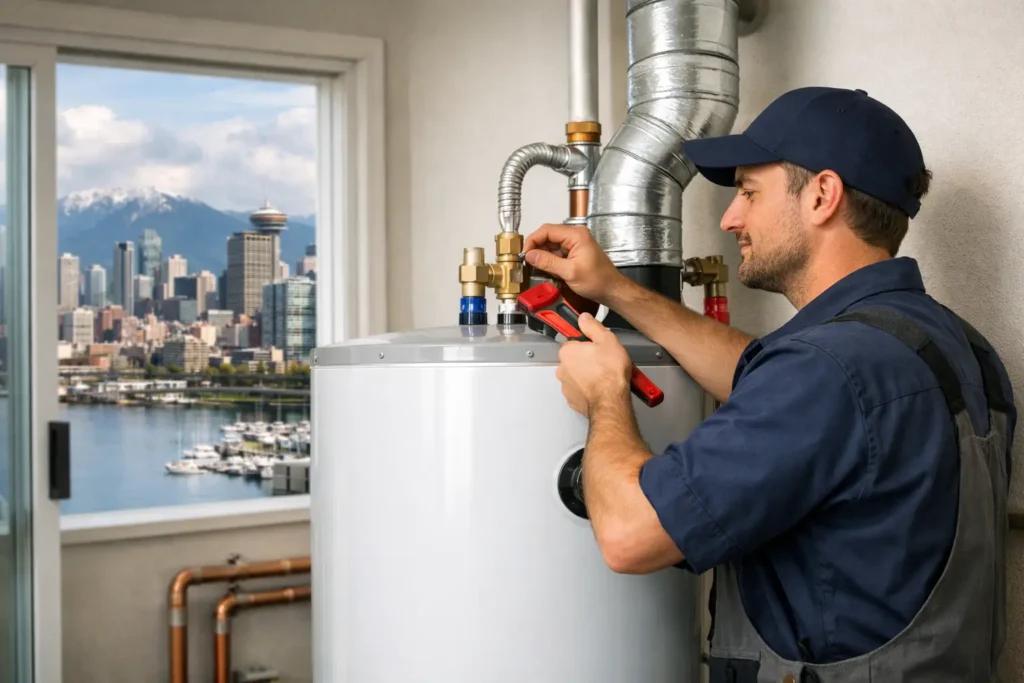
A cold shower is rarely the first sign of a water heater problem. Often, the warning comes earlier: rusty water at one tap, a rumbling tank, a utility bill that keeps climbing, or a small puddle forming beneath the unit. When replacement is the sensible next step, water heater installation Vancouver homeowners schedule should be based on more than finding the lowest upfront price. The right system, proper sizing, and safe installation determine how well your home has hot water for years to come.
For condos, single-family homes, rental properties, and commercial spaces, the details can vary. A tank that works well for a two-person apartment may leave a busy household waiting for hot water every morning. A high-efficiency upgrade may lower operating costs, but it can also require changes to venting, gas piping, electrical service, or drainage. Getting those details right before installation prevents expensive corrections later.
When Replacement Makes More Sense Than Repair
Most conventional tank water heaters last roughly 8 to 12 years, although water quality, maintenance history, and usage all affect that range. A repair can be worthwhile when the problem is a replaceable part, such as a thermostat, heating element, pressure-relief valve, or igniter. But a leaking tank usually means the internal lining has failed. That tank cannot be safely repaired.
Age matters because older units can fail quickly once corrosion starts. If the tank is nearing the end of its expected life, needs repeated repairs, or no longer provides enough hot water, replacement is often the more predictable investment. Landlords and property managers may also choose proactive replacement to avoid a no-hot-water emergency that disrupts tenants.
A professional assessment should identify the source of the issue before anyone recommends a new unit. Not every lack-of-hot-water call requires a full replacement, and a dependable plumber should explain the options clearly.
Choosing the Right Water Heater for Your Property
The best water heater is not automatically the biggest one or the highest-rated model. It is the unit that matches the building’s hot-water demand, available utilities, installation space, and budget.
Tank Water Heaters
Storage-tank water heaters remain a practical choice for many homes. They hold a set amount of hot water, commonly 40, 50, or more gallons, and are generally straightforward to install when replacing a similar existing unit. They can be powered by natural gas, electricity, or other energy sources depending on the property.
A larger tank can help a household handle consecutive showers, laundry, and dishwashing. However, it also costs more to purchase and keeps more water heated throughout the day. Oversizing a tank simply to avoid running out of hot water can raise energy use without solving the real issue, which may be an outdated fixture, poor recovery rate, or unusually high peak demand.
Tankless Water Heaters
Tankless systems heat water as it flows through the unit. They save space and can provide a continuous supply of hot water when correctly sized. For homes with limited mechanical-room space, a tankless upgrade can be an attractive option.
The trade-off is that tankless equipment has more installation requirements. A gas model may need a larger gas line, new venting, a condensate drain, and electrical connections. Electric tankless units can require significant electrical capacity. Tankless systems also need periodic flushing to manage mineral buildup, especially where water conditions make scale more likely.
For some properties, the higher initial cost is justified by long-term efficiency and convenience. For others, a quality tank model is the smarter, more affordable fit. The answer depends on the property, not a one-size-fits-all sales pitch.
Heat Pump Water Heaters
Heat pump water heaters use electricity differently than standard electric tanks, moving heat from surrounding air into the water. They can be highly efficient, but they need adequate space and operate best in an area with suitable ambient temperatures. Because they cool and dehumidify the surrounding space, placement is important.
In a compact closet or a cold, unfinished area, a heat pump unit may not be ideal without careful planning. A technician should consider clearance, condensate drainage, noise, and the room’s conditions before recommending one.
What Proper Water Heater Installation in Vancouver Includes
A water heater is connected to water lines, a fuel or power source, safety components, and often a venting or drainage system. Installation is not just a matter of setting a new tank in place and turning it on.
For a typical replacement, the process begins with confirming the unit’s capacity, fuel type, dimensions, and location. The old heater is disconnected and removed carefully. The installer then inspects the shutoff valves, water connections, gas piping or electrical wiring, venting, drain pan, and pressure-relief discharge line. Worn or noncompliant components should be addressed before the new unit is placed in service.
Gas-fired water heaters require particular attention. Incorrect gas connections, improper combustion air, or unsafe venting can create serious risks. Electric units require correctly sized wiring and secure connections. Every installation should include testing for leaks, safe operation, proper temperature settings, and reliable hot-water delivery.
In Vancouver and nearby communities, permits or code requirements may apply depending on the work and equipment involved. This is especially relevant for fuel changes, gas-line alterations, venting modifications, and major upgrades. A licensed professional can explain what the project requires and make sure the installation is handled responsibly.
Sizing Is About Demand, Not Just Household Size
Household size is a useful starting point, but it does not tell the full story. Two people who shower at different times may use less hot water than two people getting ready for work at the same time. A family with teenagers, a large soaking tub, multiple bathrooms, or a home-based business may have higher peak demand than expected.
For tank units, the key question is how much hot water the household needs during its busiest hour. For tankless units, the installer looks at the number of fixtures likely to run simultaneously and the incoming water temperature. Colder incoming water requires more heating capacity to achieve the desired outlet temperature.
Commercial buildings need an even closer review. A restaurant, salon, office, apartment building, or care facility may require equipment designed around specific usage patterns and recovery needs. Choosing based on price alone can lead to complaints, downtime, and a system that wears out prematurely.
How to Prepare for Installation Day
A little preparation helps the work move quickly and keeps disruption low. Clear a path from the entry to the water heater location, and remove stored items around the unit so the technician can work safely. If the water heater is in a closet, garage, basement, utility room, or crawlspace, make sure access is available.
If you have noticed leaks, unusual noises, discolored water, or fluctuating temperatures, mention them before work begins. Those details can point to related plumbing issues that should be checked during the visit. Property managers should also confirm access arrangements, parking instructions, and any building rules that affect work hours or elevator use.
After installation, ask how to operate the new unit, where the shutoff valve is located, and what maintenance it needs. Keep the area around the heater clear and avoid storing flammable materials near gas equipment.
Costs, Warranties, and the Value of Clear Pricing
Water heater installation costs vary because every property is different. Replacing a similar tank in an accessible location is usually less involved than converting from tank to tankless, moving the equipment, upgrading venting, or modifying electrical or gas service. Equipment quality, capacity, disposal of the old unit, permits, and required safety upgrades also affect the final price.
The most useful estimate explains what is included. It should distinguish between the equipment, labor, necessary connections, code-related work, and any optional upgrades. This gives homeowners and building operators a fair basis for comparison and reduces surprises once the work is underway.
Warranties deserve a close look as well. The manufacturer’s coverage applies to the equipment, while workmanship coverage addresses the installation itself. Proper maintenance helps protect both performance and warranty eligibility.
Encano Plumbing & Drainage Ltd. helps homeowners and property managers make practical decisions about replacement, installation, and ongoing water heater care. The goal is straightforward: safe work, reliable hot water, and clear communication from the first assessment through final testing.
A new water heater should fade into the background once it is installed. If it delivers steady hot water, operates safely, and fits your property’s real needs, you can get back to your routine without wondering whether the next shower will turn cold.