Email: emergency@encanovan.com | Phone: (604) 764-2031
Emergency Plumbing Services 24 Hour Help
Need emergency plumbing services 24 hour? Learn what counts as a true plumbing emergency, what to do first, and when to call fast for help.
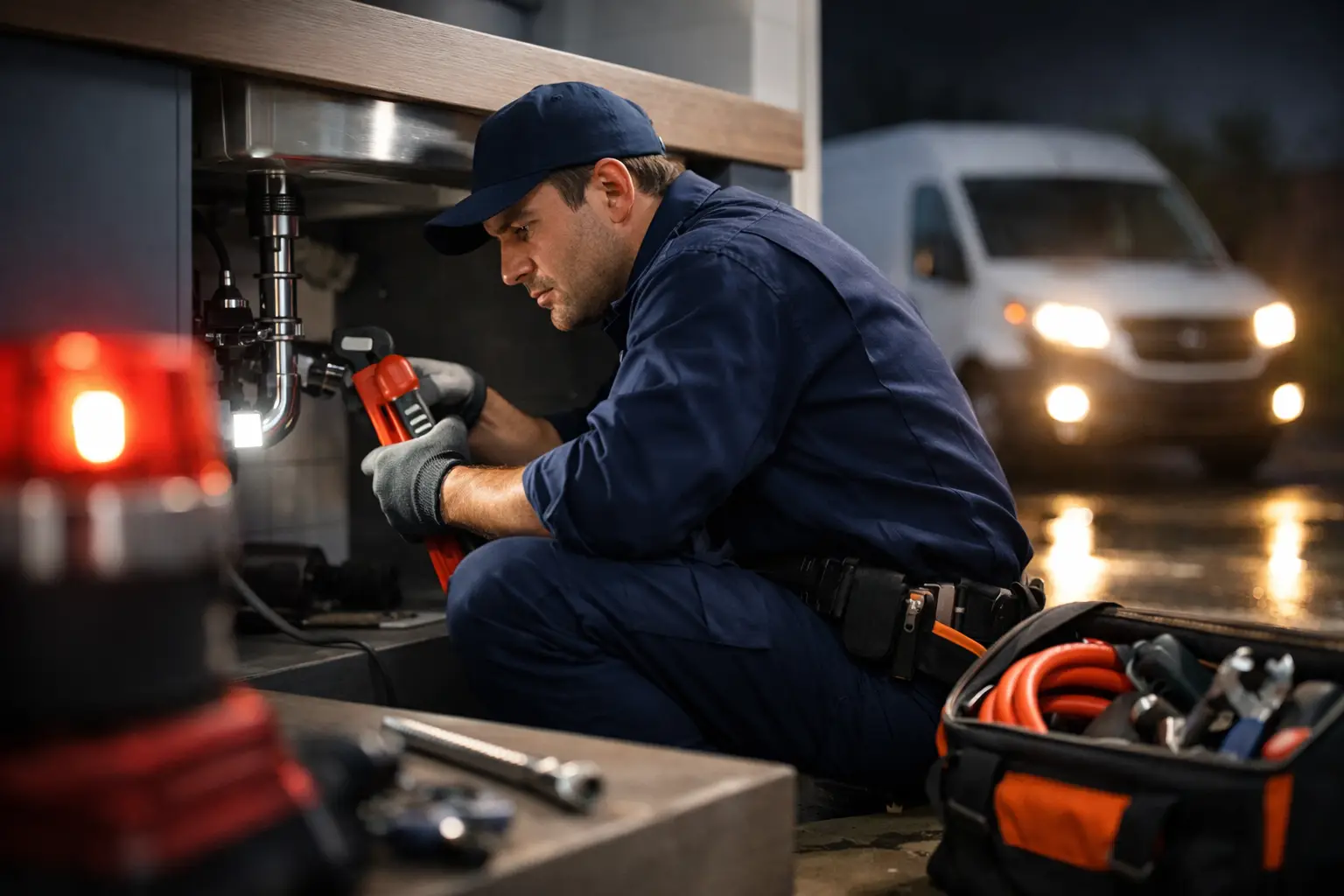
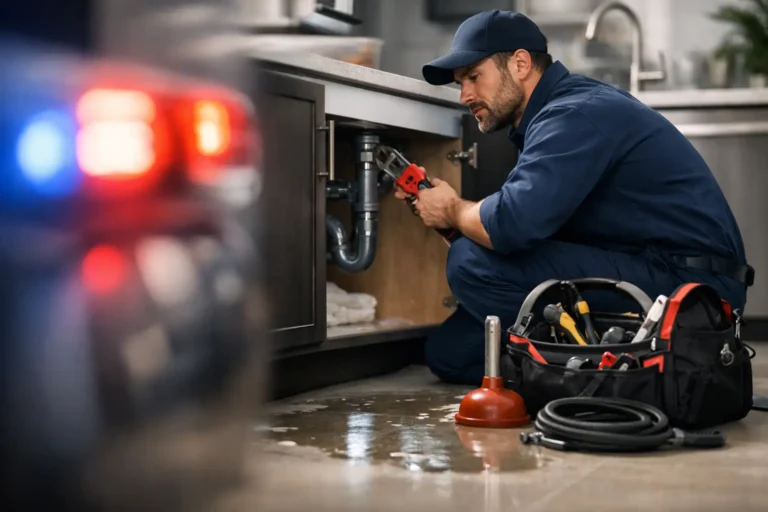
A burst pipe at 2 a.m. does not feel like a small problem. Neither does a toilet overflowing in a busy office, a water heater leaking into a utility room, or a backed-up drain threatening to spill into a basement. When people search for emergency plumbing services 24 hour, they are usually not browsing. They need to stop damage, protect the property, and get clear answers fast.
That is what real emergency plumbing is about. It is not just being available late at night. It is knowing which problems cannot wait, responding quickly, and fixing the issue safely enough to prevent a bad situation from getting more expensive by the hour.
What counts as emergency plumbing services 24 hour
Some plumbing problems are inconvenient. Others are urgent. The difference usually comes down to active water damage, health risk, loss of essential service, or disruption to the building.
A burst pipe is an obvious emergency because water can spread behind walls, under floors, and into electrical areas within minutes. A sewer backup is also urgent because it brings contamination into living or working spaces. No hot water may be tolerable for a short time in some homes, but in a commercial setting, multi-unit property, or building with vulnerable occupants, it can become an immediate operational issue.
The same goes for a major leak from a water heater, a failed shutoff valve, or a clogged main drain affecting multiple fixtures at once. If the problem is growing, creating unsafe conditions, or making the property unusable, waiting until morning is rarely the cheaper choice.
The first few minutes matter most
Before a plumber arrives, the right steps can reduce damage and keep people safer. The best response depends on the problem, but there are a few basics that help in most cases.
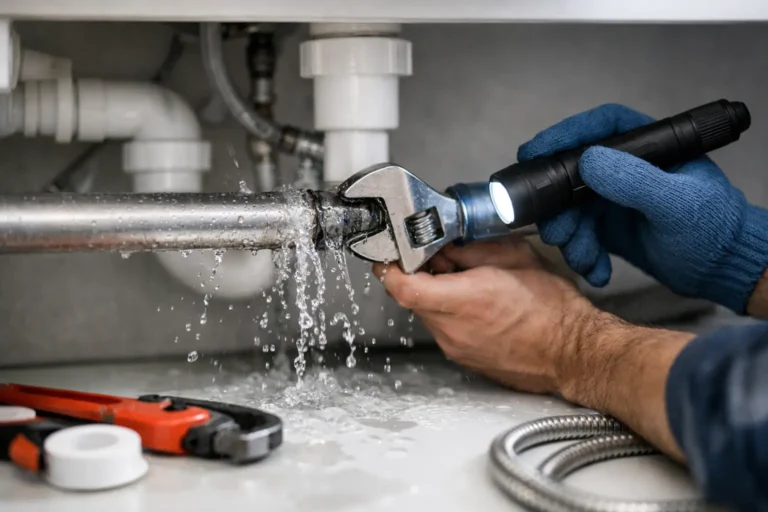
If water is actively flowing, shut off the nearest fixture valve if you can reach it safely. If that does not stop the leak, turn off the main water supply. For water heater leaks, the unit may need to be isolated as well. If there is any chance water has reached outlets, appliances, or wiring, stay clear of the area and treat it as a safety issue, not just a plumbing issue.
For sewer backups, avoid using sinks, toilets, showers, dishwashers, or laundry machines until the cause is identified. More water usually makes the mess worse. If the issue is a clogged toilet that is close to overflowing, do not keep flushing to see if it clears. That one extra flush is often what sends water onto the floor.
Photos can help if insurance becomes part of the process later, but damage control comes first. Move rugs, boxes, paper goods, or electronics out of the area if it is safe to do so.
When waiting can cost more
A common mistake is assuming that if the leak slows down, the emergency has passed. In reality, plumbing failures often stay hidden after the visible symptoms change. A pipe may stop spraying but continue leaking inside a wall. A drain may empty slowly after backing up, while the main line remains partially blocked. A water heater may stop dripping once pressure changes, yet the tank may still be failing.
This is why emergency service is not only about stopping what you can see. It is also about finding the source, checking for secondary problems, and deciding whether a repair will hold or whether a replacement is the safer option.
There is always a trade-off. A temporary repair may restore service quickly and buy time, which is often useful overnight or during a storm. But in some cases, patching a badly corroded pipe only delays a larger failure. A good emergency plumber explains that difference clearly instead of pushing a one-size-fits-all answer.
Problems that usually need immediate service
Many calls come down to a few repeat issues. Burst or frozen pipes are high on the list, especially during sudden temperature drops. Main drain clogs are another frequent emergency because they can affect toilets, tubs, and sinks throughout the property at once.
Leaking water heaters deserve fast attention because even a small tank failure can spread a lot of water. Sewer odors combined with gurgling drains may point to a deeper blockage or venting issue. Gas-related concerns connected to water heaters, boilers, or other equipment are in a different category entirely and should always be treated with extra caution and addressed right away by the proper qualified professional.
For landlords and property managers, emergency calls often involve more than one unit. A leak from an upper-floor bathroom can affect ceilings, lights, drywall, and flooring below. In commercial buildings, a single blocked restroom or broken supply line can interrupt operations and create a poor experience for staff and customers.
What a reliable 24-hour plumber should actually do
Availability is only part of the job. The real test is what happens after the call is answered.
A dependable emergency plumber should ask practical questions, such as where the leak is coming from, whether the water has been shut off, how many fixtures are affected, and whether there are safety concerns. That early triage matters because it helps determine urgency and the likely tools or parts needed.
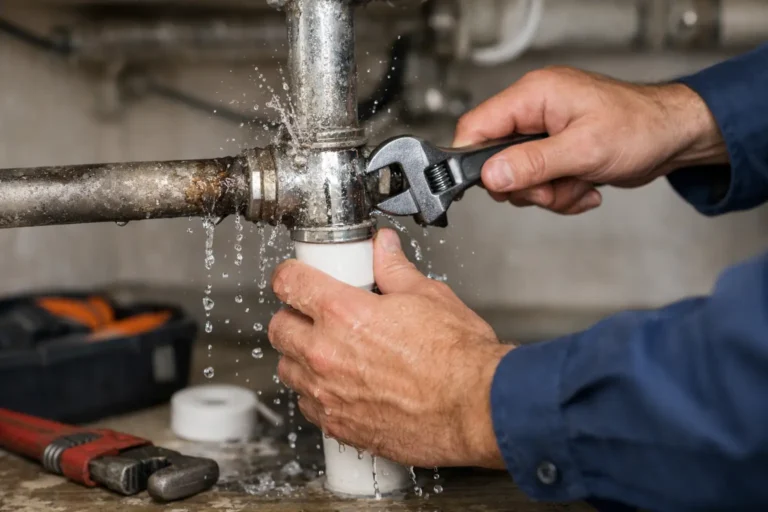
On site, the plumber should identify the immediate cause, stop active damage, and explain the next step in plain language. Sometimes that means clearing a blockage, repairing a section of pipe, replacing a failed valve, or isolating a fixture until a full repair can be completed. Sometimes it means recommending replacement because repair would not be dependable.
Fair pricing matters here. Emergency service can cost more than a scheduled daytime visit, but customers should still get transparency. Clear communication about after-hours rates, likely repair options, and whether the fix is temporary or permanent builds trust when the situation is already stressful.
Emergency plumbing in homes, rentals, and commercial buildings
Not every property has the same needs. Homeowners usually want the fastest route to safety and a lasting repair with as little disruption as possible. Apartment residents may need coordination with building management, especially if shutoffs or drain stacks affect neighboring units.
Landlords and property managers often need documentation, clear arrival windows, and repairs that protect both tenants and the building. In commercial or government properties, the priority may include code concerns, public access, downtime, and limiting impact on operations.
That is why experience across different building types matters. Older houses may have aging galvanized lines or hidden shutoff issues. Multi-unit properties can have shared drainage complications. Commercial spaces often involve higher usage, more fixtures, and more urgency around keeping facilities open and sanitary.
Why local response time changes the outcome
In an emergency, local knowledge is not a small advantage. It affects response time, familiarity with common building layouts, and understanding of regional plumbing issues.
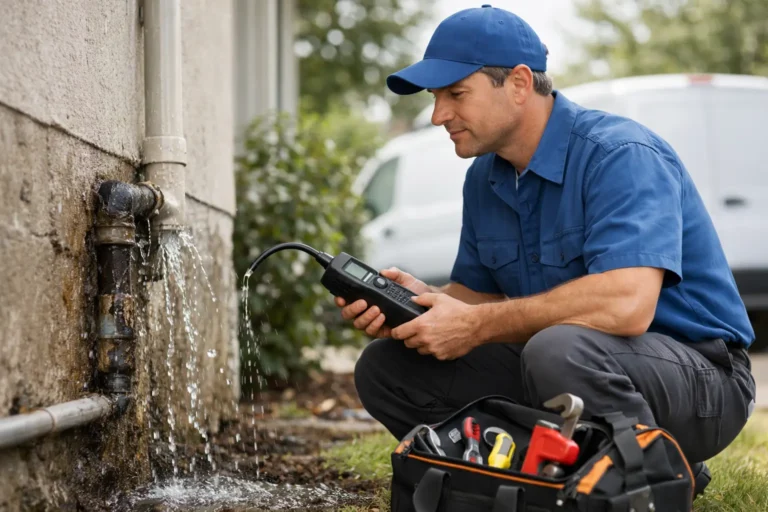
In Richmond, Vancouver, Burnaby, New Westminster, Delta, Surrey, and nearby areas, emergency plumbing calls can involve older infrastructure, tree root intrusion in sewer lines, weather-related pipe issues, and the wear that comes from heavy daily use in mixed residential and commercial properties. A local team that already works in those environments can often diagnose the likely cause faster and move toward the right fix without wasting time.
That practical, nearby support is part of why many customers call a company like Encano Plumbing & Drainage Ltd. when a problem cannot wait. Fast response is valuable, but calm, skilled work under pressure is what protects the property.
How to tell if you should call now or schedule later
If you are unsure whether the problem is an emergency, ask yourself a few simple questions. Is water actively leaking where it can damage walls, floors, or ceilings? Is sewage involved? Have you lost access to all toilets or all hot water in a setting where that creates a serious problem? Is the issue affecting multiple units or disrupting business operations?
If the answer is yes to any of those, calling right away makes sense. If the issue is a slow drip under one sink, a single drain moving sluggishly without backing up, or a toilet that still works but runs occasionally, it may be better handled as a scheduled repair. Even then, delaying too long can turn a manageable fix into an after-hours call later.
A good rule is this: if the problem is spreading, unsafe, or likely to get significantly worse before morning, treat it as urgent.
What you can do after the emergency is under control
Once the immediate problem is fixed, it is worth looking one step ahead. Emergency calls often reveal underlying wear that has been building for months or years. A cleared blockage may point to a damaged line. A repaired leak may expose pipe corrosion elsewhere. A failed water heater may be the end of a normal service life, not a random event.
This is where a practical follow-up helps. That could mean a camera inspection for a recurring drain issue, replacing old shutoff valves, upgrading a failing water heater, or scheduling pipe repairs before another weak point fails. Preventive work is never as dramatic as an emergency call, but it is usually the cheaper and less stressful option.
Plumbing problems rarely happen at a convenient time. What matters is having a clear next step, a fast response, and a technician who treats the problem like it matters – because it does.