Email: emergency@encanovan.com | Phone: (604) 764-2031
Water Pipe Leak Repair Near Me: What to Do
Need water pipe leak repair near me? Learn what to do first, when to call a plumber, repair options, costs, and how to limit damage fast.
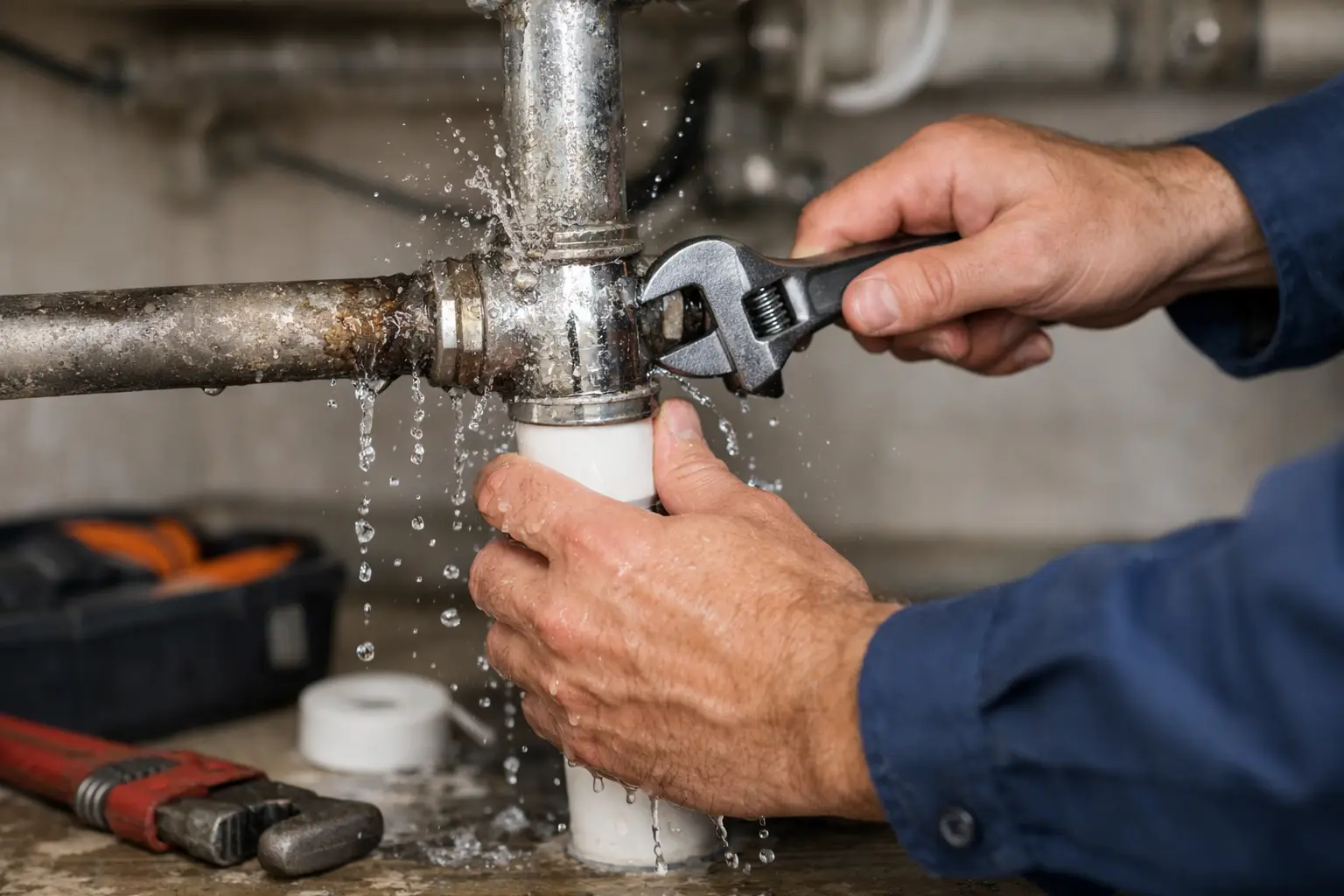
A leaking pipe rarely starts at a convenient time. It shows up under a sink before work, behind a wall on a weekend, or above a tenant’s ceiling right before a showing. When you search for water pipe leak repair near me, you are usually not browsing casually. You want someone local, fast, and capable of fixing the problem without turning a small leak into a major repair.
That search makes sense, but it also puts you in a hurry. And when people are in a hurry, they often focus only on who can arrive first. Speed matters, especially if water is spreading, but the better question is whether the plumber can find the real source, stop the damage, and make a repair that lasts.
Why water pipe leak repair near me matters
Pipe leaks are not all equal. Some are obvious, like a split supply line under a bathroom sink. Others are harder to spot, such as a slow leak inside a wall, under a slab, or above a commercial ceiling. The danger is not just the water you can see. It is the moisture that keeps spreading into drywall, insulation, flooring, cabinets, and electrical areas.
A local plumbing company has an advantage here. They can often respond faster, they understand common pipe materials used in nearby homes and buildings, and they know how local weather, aging infrastructure, and water pressure issues can affect plumbing systems. In older areas of Richmond, Vancouver, Burnaby, and surrounding communities, for example, pipe condition can vary a lot from building to building. That matters when the repair choice is not just patch or replace, but what kind of replacement makes the most sense.
What to do before the plumber arrives
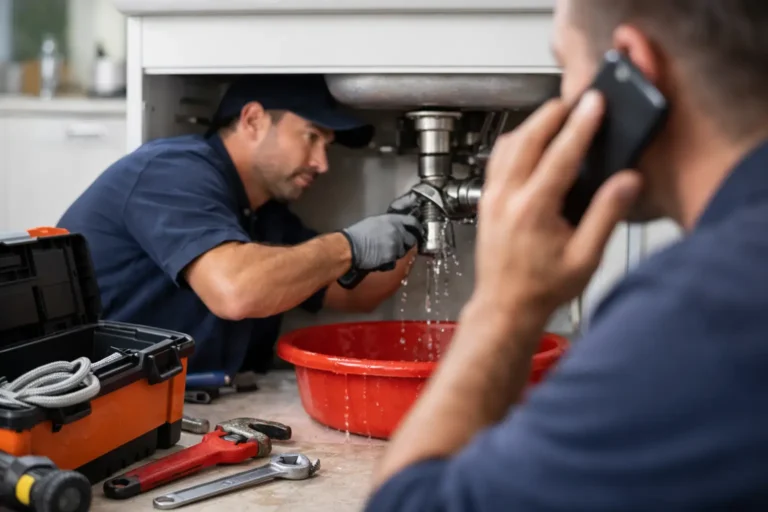
If the leak is active, your first job is damage control. Shut off the nearest fixture valve if the leak is isolated to a sink, toilet, or appliance line. If you cannot stop it there, turn off the home’s main water supply. This simple step can save flooring, drywall, and cabinetry.
Next, move anything valuable away from the area. Towels, buckets, and a wet vacuum can help limit spread, but they are only temporary. If water is near outlets, power bars, or electrical equipment, keep your distance and use caution. Some leaks are plumbing problems first and safety problems second.
Photos can also help. Take a few quick pictures of the leak area and any visible damage before cleanup goes too far. That can be useful for insurance documentation or for explaining the situation if the plumber is troubleshooting a hidden source.
Signs the leak is worse than it looks
A steady drip under a vanity is one thing. A hidden pipe leak can be much harder to judge. If you notice water stains, peeling paint, warped baseboards, moldy smells, or a sudden jump in your water bill, there may be more going on than one visible wet spot.
Low water pressure can also be a clue, especially if it shows up suddenly. In some buildings, you may hear water running when no fixtures are on. In others, warm spots on the floor or recurring damp areas point to a concealed line leak. Property managers and commercial operators often notice these issues through tenant complaints, musty service rooms, or ceiling tile damage before they ever see the actual pipe.
This is where professional leak detection matters. A quick patch without locating the full problem can leave part of the leak active behind the wall or underground.
How plumbers diagnose a pipe leak
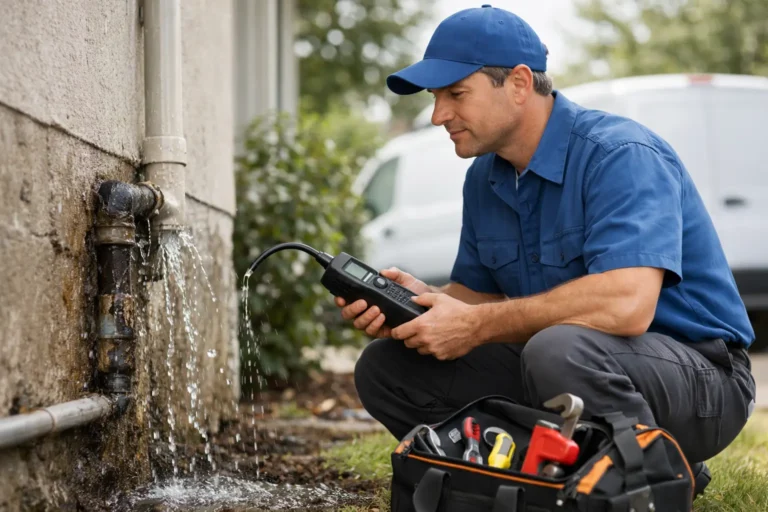
Good leak repair starts with accurate diagnosis. Sometimes the source is simple and visible. Other times, a plumber needs to trace water movement, test pressure, inspect fittings, or use specialized equipment to identify where the line is failing.
The goal is not just to stop the water today. It is to understand why the pipe leaked in the first place. Corrosion, loose connections, freezing, shifting pipes, age, poor installation, and excessive water pressure all lead to different repair decisions. If the cause is ignored, you may end up paying for the same problem twice.
For homeowners, that means fewer surprises. For landlords and facility operators, it means less downtime and a better chance of avoiding repeat tenant disruptions.
Repair or replace? It depends on the pipe
Not every leak needs a full repipe. Not every leak should be patched either. The right fix depends on pipe material, location, age, accessibility, and overall system condition.
A localized repair often makes sense when the leak is isolated and the surrounding piping is still in solid shape. That may involve replacing a damaged section, resealing a connection, or installing a new fitting. This approach is usually faster and less invasive.
Replacement becomes more likely when the pipe is badly corroded, cracked in multiple places, or part of an older system that is failing in stages. If one leak has already appeared and the pipe material is near the end of its service life, a larger replacement can save money over time, even if the upfront cost is higher.
That trade-off matters in houses with aging galvanized piping, in apartment buildings with recurring line failures, and in commercial spaces where even a small leak can interrupt daily operations. A trustworthy plumber should explain both the immediate repair and the longer-term picture.
Common water pipe leak repairs near you
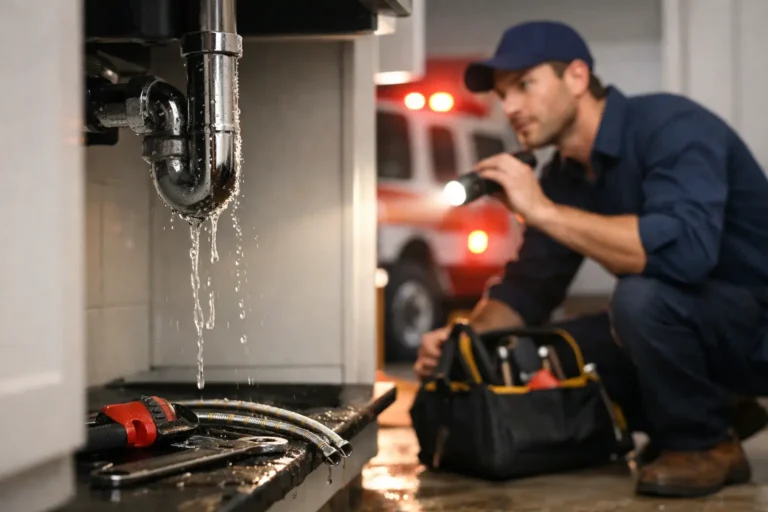
Most local service calls fall into a few categories. Supply line leaks are common under sinks, behind toilets, near water heaters, and at shutoff valves. These are often straightforward when caught early.
Pipe joint failures are another frequent issue. Connections loosen, seals wear out, and temperature changes can stress fittings over time. Hidden wall leaks are more disruptive because access is part of the job. Sometimes the plumbing repair is simple, but opening and restoring the affected area adds time and cost.
In colder snaps, frozen pipes can split and start leaking only after they thaw. In older buildings, corrosion pinholes may appear with little warning. In commercial and multi-unit properties, leaks can travel before they show themselves, which is why damage sometimes appears far from the source.
What affects the cost of a leak repair
Most people asking about water pipe leak repair near me also want to know what it will cost. The honest answer is that price depends on more than the leak itself.
Accessibility is a major factor. A leaking pipe under a kitchen sink is usually simpler than one behind tile, under concrete, or above a finished ceiling. Pipe material matters too, as does whether the repair is a small section replacement or part of a larger system issue.
Emergency timing can also affect pricing. After-hours, weekend, and urgent callouts often cost more than scheduled service, although fast action can still save money by reducing water damage. If drying, wall access, insulation removal, or fixture disconnection is involved, the total project scope grows quickly.
Fair pricing does not always mean the cheapest number. It usually means clear communication, no vague surprises, and a repair plan that fits the condition of the plumbing system.
Choosing the right local plumber
When water is leaking, responsiveness matters. So does professionalism. The best company for the job is not just the one that answers the phone first, but the one that can assess the problem clearly, explain the options, and complete the repair with as little disruption as possible.
Look for a plumber who handles both leak detection and repair, not just one or the other. That matters when the source is hidden or when water has traveled beyond the first visible spot. It also helps to work with a company that serves homes, apartments, commercial properties, and larger facilities, because those teams are often more experienced with different system layouts and urgency levels.
Encano Plumbing & Drainage Ltd. takes that practical approach by focusing on fast response, solid workmanship, and straightforward service for local property owners and managers who need the problem fixed properly.
How to reduce the chance of another leak
Some leaks are sudden, but many build up over time. Regular plumbing inspections can catch worn valves, early corrosion, loose supply lines, and pressure issues before they become emergencies. That is especially useful in older homes, rental units between tenants, and commercial buildings where small maintenance gaps can turn into bigger repair calls.
It also helps to know where your main shutoff is and test that it works. Replace aging braided supply lines before they fail. Pay attention to changes in pressure, unexplained moisture, and unusual water bills. If your property has had one pipe leak, it is worth asking whether that failure was random or a sign of a larger issue.
The right plumber will not pressure you into unnecessary work, but they should be willing to tell you when a one-time repair is enough and when the smarter move is preventive replacement.
When you search for help during a leak, you are really looking for peace of mind as much as a repair. A fast, local plumber can stop the immediate problem, but the best service gives you confidence that the fix will hold after the floor dries and life gets back to normal.