Email: emergency@encanovan.com | Phone: (604) 764-2031
How Much Are Emergency Plumbing Services?
Wondering how much are emergency plumbing services? Learn typical costs, what affects pricing, and when fast plumbing help is worth it.
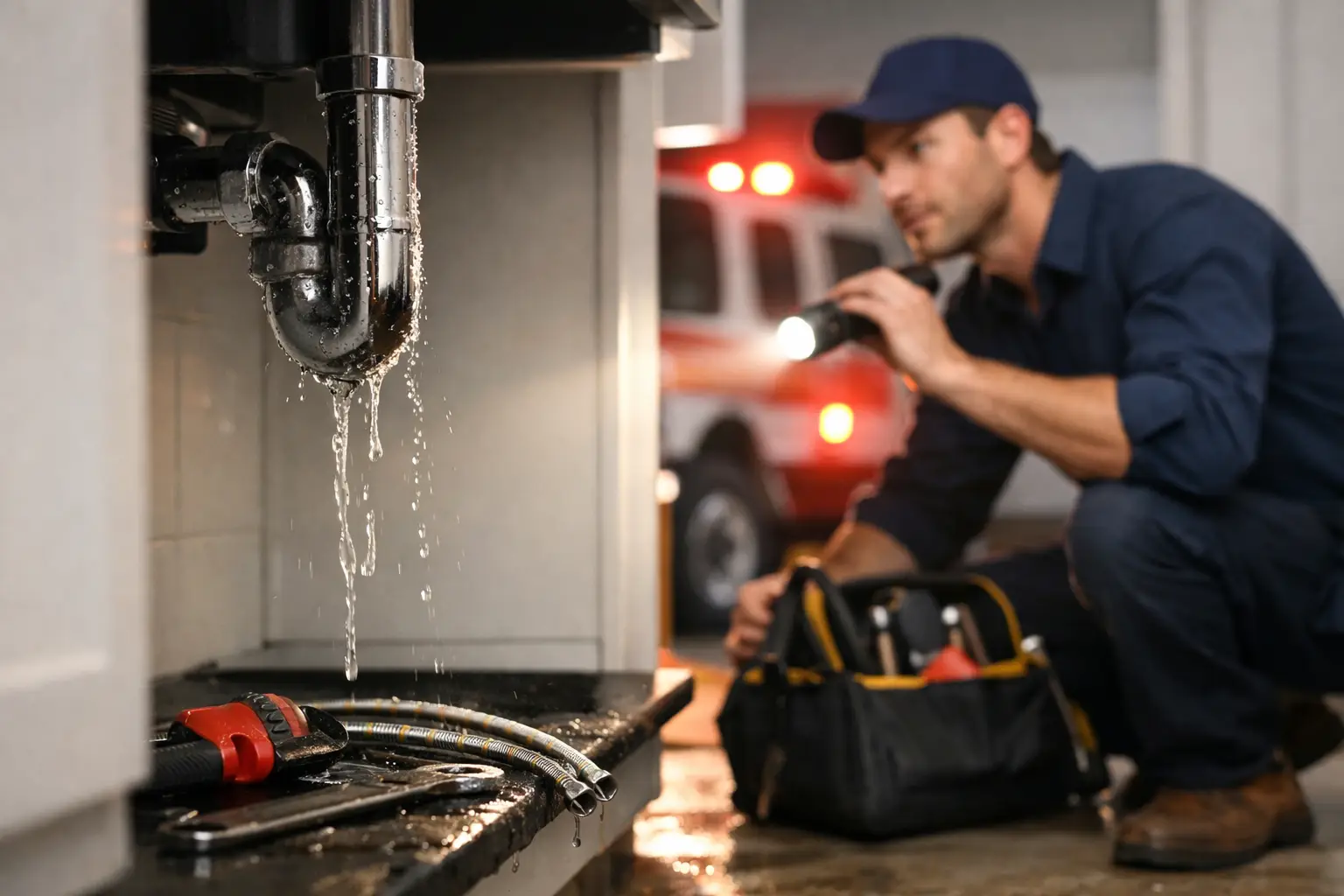
A burst pipe at 11 p.m. does not give you much time to compare quotes. When water is spreading across the floor or a backed-up drain is threatening the whole lower level, the first question most people ask is simple: how much are emergency plumbing services, and what are you actually paying for?
The honest answer is that emergency plumbing costs vary quite a bit. The price depends on the time of day, the type of problem, how quickly damage is spreading, what parts are needed, and how difficult the repair is once the plumber gets on site. In Greater Vancouver, emergency work usually costs more than a standard weekday appointment, but that does not mean every urgent visit should feel unpredictable or overpriced.
How much are emergency plumbing services, typically?
Most emergency plumbing calls include two parts: the call-out or dispatch fee and the repair cost itself. A company may charge a flat emergency service fee to come out after hours, on weekends, or on holidays. After that, labor, materials, and any equipment needed for diagnosis or repair are added.
For many common emergency situations, homeowners and property managers can expect a broad range such as a few hundred dollars for a straightforward fix to much more for major pipe failures, sewer issues, or repairs that require opening walls or replacing damaged components. A simple shut-off valve replacement is very different from an overflowing main drain or a failed water heater leaking into a utility room.
That range can feel frustrating, but it reflects real differences in labor and risk. Emergency plumbing is not priced the same way as a routine faucet repair because the plumber is responding immediately, often outside normal hours, and often to a problem that can get more expensive by the minute.
Why emergency plumbing costs more than regular service
The biggest factor is timing. A scheduled appointment lets a company plan routes, group nearby jobs, and assign staff efficiently. Emergency calls usually interrupt that workflow. Someone has to be available, equipped, and ready to respond now, not tomorrow morning.
There is also more pressure built into the work. If a pipe has burst, a toilet is overflowing, or a commercial restroom is out of service, the plumber is not just fixing a component. They are helping stop property damage, reduce downtime, and restore safety. That readiness has real value.
The other reason is that emergency jobs often take extra diagnostic time. When water is appearing in a ceiling or backing up through a floor drain, the visible symptom is not always the root cause. Finding the actual source may require leak detection tools, drain equipment, or additional troubleshooting before the repair even begins.
What affects the final price
Type of emergency
Not all plumbing emergencies are priced the same. A clogged sink that can wait until the morning is different from a sewer backup affecting multiple fixtures. Burst pipes, major leaks, failed sump pumps, overflowing toilets, no hot water in a busy building, and blocked main lines all come with different labor demands and urgency levels.
Time and day of service
After-hours service, weekends, and statutory holidays usually cost more. That is standard across the trade. If the same repair is done Tuesday afternoon instead of Sunday night, the bill may be lower even if the parts and repair steps are similar.
Accessibility of the problem
A leak under an open kitchen sink is usually faster to handle than a broken pipe behind tile, inside a crawl space, or under concrete. The harder it is to reach the issue, the more labor may be involved.
Parts and materials
Some emergencies can be solved with common fittings or valves stocked on the truck. Others require specialty parts, water heater components, pumps, or pipe sections that add cost. If replacement is needed instead of repair, pricing rises accordingly.
Equipment required
Drain cleaning machines, sewer cameras, leak detection tools, and water shut-off work can all affect price. The repair may be straightforward once the issue is located, but the process of finding and accessing it still matters.
Scope of damage
If the plumber arrives early enough, the issue may stay relatively contained. If water has been running for hours or a blockage has spread to multiple fixtures, the work can become larger and more expensive. Plumbing repairs and water damage restoration are not the same thing, but severe damage often means more plumbing labor upfront.
Common emergency plumbing jobs and how pricing tends to compare
A leaking pipe under a sink is often on the lower end if the shut-off works and the damaged section is easy to replace. An overflowing toilet may also be manageable if the clog is isolated and there is no deeper drain line issue.
A burst water line tends to cost more because response speed matters, the damaged pipe section may need replacement, and there may be water cleanup concerns. Main drain clogs, sewer backups, and repeated backups affecting several fixtures can also move higher because they often require heavier equipment and more diagnosis.
Water heater emergencies vary. If the issue is a valve, connection, or minor component, the repair may be moderate. If the tank has failed and is actively leaking, replacement may be the more practical option, which changes the price significantly.
For commercial and multi-unit properties, emergency plumbing often costs more simply because the stakes are higher. The system may serve more occupants, code considerations may be stricter, and minimizing disruption becomes part of the job.
When paying for emergency service is worth it
Sometimes it makes sense to wait until regular business hours. A slow drain in one bathroom sink, for example, may be inconvenient without being a true emergency. But there are situations where delaying service usually costs more in the long run.
If water cannot be shut off, sewage is backing up, a pipe has burst, a water heater is leaking heavily, or there is a risk to health, safety, or building operations, emergency service is often the right call. The price of immediate repair can be far less than the cost of flooring damage, drywall replacement, mold concerns, or tenant disruption.
This is where fair pricing matters. A dependable plumber should be clear about what counts as urgent, what can safely wait, and what the likely cost range looks like before major work starts.
How to avoid surprise charges
The best emergency plumbing experience is not always the cheapest advertised number. It is the one where you know what is happening and why. Before approving work, ask whether there is an emergency dispatch fee, whether labor is billed flat-rate or hourly, what parts are likely needed, and whether any additional diagnostic charges may apply.
It also helps to ask what the plumber will do first. In many emergencies, the first goal is to stop active damage and stabilize the situation. Permanent repair may happen right away, or it may involve a second step if specialized materials or larger replacement work are needed. Knowing that upfront makes the invoice easier to understand.
A reputable local company should also explain trade-offs. In some cases, a temporary fix restores service and buys time. In others, a temporary patch would be a poor choice because failure could happen again quickly.
A few ways to keep emergency plumbing costs lower
You cannot prevent every plumbing emergency, but you can reduce the odds of a high-cost call. Routine drain cleaning, fixing small leaks early, replacing aging shut-off valves, and servicing water heaters before they fail all help. So does knowing where your main water shut-off valve is before there is a crisis.
For landlords and property managers, regular inspections are especially worthwhile. Small warning signs such as recurring clogs, noisy pipes, rust around fittings, or slow water heater recovery often show up before a full emergency does. Acting early usually costs less than after-hours response.
If you are in Richmond, Vancouver, or the surrounding area, working with a local company that handles both emergency calls and everyday repairs can also help. A team like Encano Plumbing & Drainage Ltd. is already familiar with the common issues found in area homes, strata properties, and commercial buildings, which can make diagnosis faster and communication more straightforward.
What a fair emergency plumbing quote should feel like
Fair pricing does not always mean low pricing. It means the cost matches the urgency, the skill required, the time involved, and the actual repair performed. You should feel that the plumber arrived prepared, explained the issue clearly, and focused on solving the problem without adding confusion.
If you are comparing providers, pay attention to responsiveness and clarity as much as the number itself. In an emergency, the cheapest option on paper can become the most expensive if the response is delayed, the repair is incomplete, or the real problem is missed.
When plumbing trouble hits unexpectedly, the right question is not only how much are emergency plumbing services. It is also how quickly the damage can be stopped, how confidently the problem can be fixed, and whether you can trust the people doing the work when your property needs help fast.