
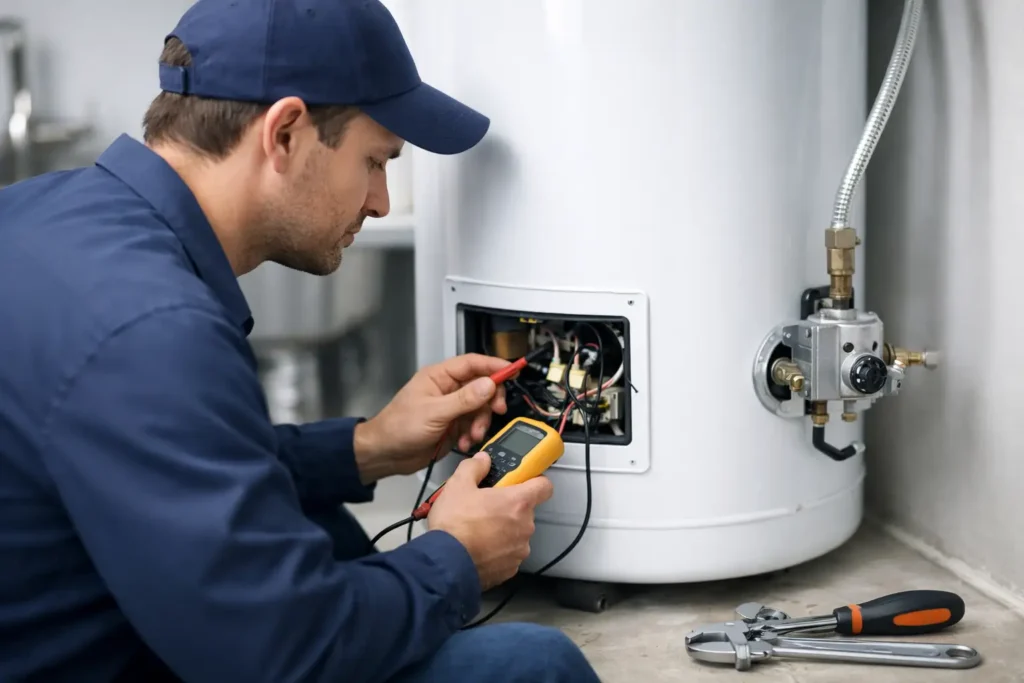
Hot water problems rarely start all at once. More often, your water heater gives small warnings first – rumbling sounds, slower recovery, rusty water, or a utility bill that creeps up for no obvious reason. If you want to know how to maintain a water heater, the goal is simple: catch wear early, keep sediment under control, and avoid the kind of breakdown that leaves you without hot water when you need it most.
A little routine care goes a long way, whether you have a standard tank water heater in a house, a unit serving a rental suite, or a larger system in a commercial building. Some maintenance tasks are safe for an owner or property manager to handle. Others are better left to a licensed plumber, especially when gas, electrical components, or pressure issues are involved.
Why water heater maintenance matters
Water heaters work hard every day, but they are easy to forget about because they sit in a mechanical room, basement, garage, or utility closet doing their job quietly. The problem is that water is hard on equipment over time. Minerals settle at the bottom of the tank, internal parts wear down, and small leaks can turn into property damage fast.
Regular maintenance helps in a few practical ways. It improves efficiency, which can lower operating costs. It can extend the life of the unit, which matters when replacement costs are high. It also gives you a better chance of spotting a failing part before it turns into an emergency call.
If you are in an area with mineral-heavy water, sediment buildup tends to happen faster. In that case, maintenance is not just helpful – it is part of protecting the heater from premature wear.
How to maintain a water heater step by step
The right maintenance schedule depends on the age of the unit, water quality, and whether the heater is gas or electric. Still, most tank-style systems benefit from the same core checks.
Check for visible leaks and corrosion
Start with a simple visual inspection every month or two. Look around the base of the tank, the water connections, and the area near the pressure relief valve. Even a small amount of moisture matters. What looks like harmless condensation could also be the start of a leak.
Check for rust on fittings, greenish corrosion on connections, or staining on the floor nearby. A rusted fitting may be repairable. Rust on the tank body itself is more serious and often points to a unit nearing the end of its service life.
Test the temperature and pressure relief valve
The temperature and pressure relief valve is a key safety device. It is designed to release water if pressure or temperature inside the tank gets too high. If that valve fails, the heater can become dangerous.
Testing it should be done carefully. Place a bucket under the discharge pipe if possible, then gently lift the valve lever and let it snap back. You should hear water move through the pipe. If nothing happens, or if the valve continues to drip afterward, it may need replacement.
This is one of those areas where caution matters. If you are unsure, it is smarter to have a plumber handle it.
Flush sediment from the tank
For many homeowners, this is the most important part of learning how to maintain a water heater. Sediment collects at the bottom of the tank over time. That buildup makes the heater work harder, reduces efficiency, and can cause banging or popping noises during operation.
To flush the tank, turn off power to an electric unit or set a gas unit to pilot. Shut off the cold water supply, connect a hose to the drain valve, and direct the water to a safe drainage area. Open the drain valve and let the tank empty. Then briefly turn the cold water supply back on to stir up remaining sediment before draining again.
Some tanks flush out cleanly. Others have stubborn buildup that slows or blocks the drain valve. Older units can be tricky, especially if they have not been maintained regularly. In those cases, forcing the issue may create a leak or valve problem. A professional flush is often the safer move.
Set the temperature correctly
A water heater that is set too high wastes energy and increases scald risk. A setting around 120 degrees Fahrenheit is a good balance for most homes. It provides reliable hot water while reducing energy use and improving safety for children, older adults, and tenants.
That said, there are exceptions. Some commercial settings or multi-unit buildings may need higher storage temperatures for sanitation reasons, often paired with mixing valves to control delivery temperature. This is a good example of where maintenance depends on the property and how the system is used.
Inspect the anode rod
The anode rod is one of the most overlooked parts in a tank water heater. Its job is to attract corrosive elements in the water so the tank lining does not break down as quickly. In simple terms, the rod sacrifices itself to protect the tank.
If the anode rod is worn out, the tank becomes more vulnerable to rusting from the inside. Replacing a depleted rod can add years to the life of the heater, but it is not always an easy DIY job. Some rods are difficult to access, especially in tight utility spaces or older installations.
A general rule is to inspect it every few years, or sooner if the water has a strong odor or the unit is aging.
Routine maintenance mistakes to avoid
Good intentions can still cause problems if maintenance is done carelessly. One common mistake is forgetting to turn off power to an electric heater before draining it. If heating elements are exposed without water in the tank, they can burn out.
Another issue is ignoring early warning signs because the system is still producing hot water. Rumbling sounds, inconsistent temperature, discolored water, and minor leaks usually do not fix themselves. Waiting often means a bigger repair later.
It is also risky to treat every valve or fitting like it can handle force. Older drain valves, shutoff valves, and fittings can be fragile. If something feels stuck, that is usually a sign to stop and get help rather than push harder.
Signs your water heater needs professional service
Even if you stay on top of basic upkeep, some problems need expert attention. If the pilot light will not stay on, the breaker keeps tripping, or the unit is not heating consistently, the issue may involve gas controls, thermostats, elements, or internal electrical components.
You should also call for service if you notice water around the tank and cannot clearly trace it to a loose fitting or relief valve discharge. A leaking tank often means replacement is near. The same goes for rust-colored hot water coming from multiple fixtures, especially if the heater is older.
Strange noises are worth paying attention to as well. Light crackling can come from normal mineral activity, but loud popping or banging usually means heavy sediment buildup. That can overheat the bottom of the tank and shorten its lifespan.
For landlords and property managers, regular inspections matter even more. A water heater failure in a tenant-occupied unit or shared building can disrupt multiple people and lead to water damage claims. In those cases, preventive service is usually far more affordable than waiting for failure.
How often should you maintain a water heater?
A basic visual check every month is reasonable and only takes a minute. Flushing is commonly recommended once a year, although homes with harder water may need it more often. The relief valve and temperature setting should also be checked periodically.
If the heater is older than eight to ten years, annual professional inspection becomes more valuable. Age does not always mean immediate replacement, but older units deserve closer attention. A skilled plumber can often spot whether a system still has dependable life left or is becoming a risk.
In the Vancouver area, where many homes and mixed-use properties have varied plumbing setups, there is no one-size-fits-all maintenance schedule. The right plan depends on water conditions, system age, daily demand, and installation quality.
When replacement makes more sense than maintenance
There is a point where maintenance stops being cost-effective. If the tank is leaking, if repairs are piling up, or if the unit struggles to meet daily hot water demand, replacement may be the better investment.
Efficiency matters too. An aging heater can keep running while quietly costing more to operate. If you are already paying for repeated service calls, replacing the unit may offer more reliable performance and lower long-term cost.
A dependable plumber will not push replacement when a repair makes sense, but they should be honest when a heater is at the end of the road. That kind of clear advice is what homeowners and property managers need when they are weighing short-term cost against long-term reliability.
Water heater maintenance is not complicated, but it does reward consistency. A quick check, an annual flush, and attention to early warning signs can prevent a lot of stress. And when something does not look right, getting it inspected early is usually the best way to protect your hot water, your budget, and your property.