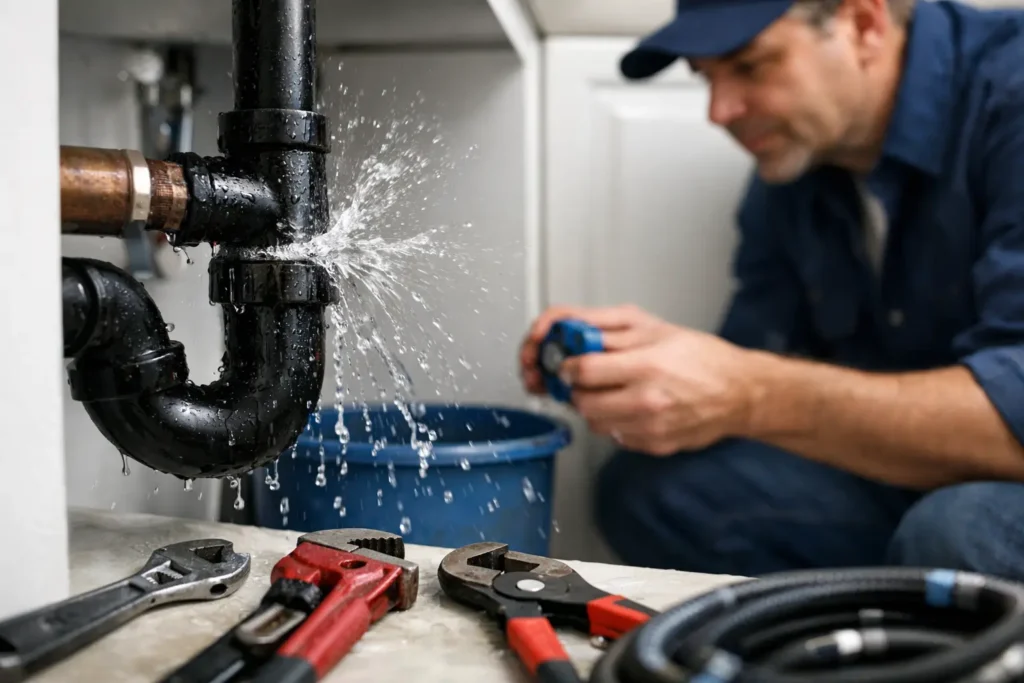
A burst pipe usually starts with a sound people never forget – a sharp pop behind a wall, rushing water under a floor, or a ceiling stain that spreads by the minute. When you need Richmond BC burst pipe repair, the first priority is not the pipe itself. It is stopping water damage fast enough to protect your home, unit, or building.
That is why the right response matters as much as the repair. A burst pipe can soak drywall, damage flooring, short out nearby electrical components, and create mold risks if water sits too long. In a house, condo, restaurant, office, or multi-unit property, the difference between a manageable repair and a major restoration bill often comes down to what happens in the first hour.
What to do before Richmond BC burst pipe repair begins
Start by shutting off the water supply if you can do it safely. For a single fixture line, that may mean a local shutoff valve under a sink or behind a toilet. If the pipe has fully failed and water is spreading quickly, shut off the main water valve for the property.
Next, turn off electricity in the affected area if water is near outlets, appliances, or electrical panels. If there is any doubt, do not step into standing water to investigate. Safety comes first.
Then take practical steps to limit damage. Move rugs, boxes, electronics, and furniture away from the leak if possible. Use towels, buckets, or a wet vacuum only if it is safe to do so. If you manage a commercial site or rental property, notify tenants or staff right away so no one uses plumbing fixtures while the system is shut down.
A professional plumber will usually ask a few quick questions before arriving – where the leak is, whether the main water is off, what type of building is involved, and whether there are visible signs of damage to walls, ceilings, or floors. Clear information helps the repair move faster.
Why pipes burst in the first place
A burst pipe is not always about freezing. In Richmond and surrounding areas, pipe failures can happen for several reasons, and some are less obvious than people expect.
Older piping is a common factor. Corrosion weakens metal pipes over time, especially in systems that have gone years without inspection. Small leaks may form first, but a stressed section can eventually split open.
High water pressure can also cause a pipe to fail. Plumbing systems are built to handle normal operating pressure, but excessive pressure puts strain on fittings, valves, and pipe walls. If a property has a pressure issue, the burst may be a symptom of a bigger system problem rather than a one-time accident.
Poor installation is another cause. Incorrect fittings, weak joints, and unsupported pipe runs may hold up for a while, then fail under daily use. This comes up in both older renovations and newer work done without proper standards.
Cold weather still plays a role, especially in exposed areas such as crawl spaces, garages, exterior walls, and unheated utility rooms. When water freezes inside a pipe, it expands. The break may not happen exactly where the ice forms. Pressure can build and split the pipe at a weaker point nearby.
Then there is wear from movement and vibration. Pipes near pumps, water heaters, or busy mechanical areas can loosen over time. In commercial buildings and apartment properties, constant demand can expose weak spots sooner.
How a professional plumber handles a burst pipe
The repair process depends on the location of the break, the pipe material, and how far the water has traveled. There is no single fix that suits every burst pipe.
The first step is confirming the source. That sounds simple, but water can travel behind walls, under cabinets, and along framing before it becomes visible. A ceiling leak may actually come from a line one floor above or from a nearby plumbing branch rather than the spot where water is dripping.
Once the source is identified, the damaged section is isolated and removed. If the burst is limited to one accessible area, a targeted repair may be enough. If the pipe is badly corroded or multiple sections show wear, replacing a longer run is often the smarter option. A quick patch can restore service, but it may not be the most cost-effective choice if another weak spot is likely to fail next month.
After the plumbing repair, the system should be tested under pressure to confirm the leak is fully resolved. In some cases, plumbers may recommend checking nearby fittings, pressure levels, or insulation conditions to reduce the chance of a repeat failure.
For property owners, this is where experience matters. Burst pipe work is not just about sealing a hole. It is about finding the real failure point, checking for related damage, and restoring the system safely.
Burst pipe repair in homes, condos, and commercial buildings
The building type changes the repair approach.
In a detached home, access is often easier, but damage can spread into finished basements, crawl spaces, or wall cavities. Homeowners usually need fast action to protect floors, drywall, and personal belongings.
In condos and apartment buildings, burst pipe situations can affect neighboring units. A leak in one kitchen wall or bathroom ceiling may involve building management, strata procedures, access coordination, and multiple residents. Speed still matters, but communication matters too.
In commercial properties, downtime becomes part of the problem. Restaurants, offices, retail spaces, and institutional buildings may need portions of the plumbing system shut down while repairs are made. The best repair plan balances urgency, safety, and minimal disruption to operations.
That is one reason local property owners often prefer a team that is used to both residential and commercial plumbing work. The repair itself is technical, but the job also needs coordination, clean work habits, and a practical plan for getting the space functional again.
Signs the pipe problem may be bigger than one burst
Sometimes a burst pipe is a one-off event. Sometimes it is a warning.
If you have had recurring leaks, rusty water, pressure swings, unusual banging in the pipes, or rising water bills, the burst may point to a broader issue in the system. That does not always mean a full repipe is necessary, but it does mean the repair should not be treated in isolation.
A good plumber will look at the age and condition of the piping, not just the visible break. For landlords and property managers, this is especially important. Repeated emergency calls are expensive, disruptive, and hard on tenants. Preventive recommendations after a burst can save money even if they are not the cheapest option on the day of the repair.
How to reduce the chance of another burst
Prevention usually comes down to a few practical habits. Know where your main shutoff valve is before there is an emergency. Insulate exposed pipes in vulnerable areas. Address small leaks early instead of waiting. If water pressure seems unusually strong, have it checked. And if your property has older piping, schedule an inspection before a weak section becomes a flooded room.
For vacant properties or spaces left unheated during colder weather, extra precautions matter. A building that sits empty can hide a leak for hours or days. That is when burst pipe damage gets expensive.
Routine plumbing maintenance is not glamorous, but it is cheaper than replacing drywall, flooring, cabinets, and damaged inventory. For many owners, the best time to think about burst pipes is before one happens.
Choosing the right plumber for Richmond BC burst pipe repair
When water is already where it should not be, most people are not looking for a sales pitch. They want a plumber who answers quickly, explains the problem clearly, and fixes it properly.
That means looking for licensed professionals, transparent pricing, real emergency responsiveness, and experience with the kind of property you have. It also helps to work with a local company that understands how older homes, condo buildings, and commercial properties in this area are typically built. Encano Plumbing & Drainage Ltd. has built its reputation around that kind of fast, fair, hands-on service.
The cheapest quote is not always the lowest-cost outcome. If the repair is rushed, if the true leak source is missed, or if damaged pipe is patched when replacement was the better call, you may end up paying twice.
A burst pipe is stressful, but the next step should be simple. Shut the water off, protect the area if you can, and get qualified help on site quickly. Fast action will not erase the mess, but it can keep a plumbing emergency from turning into a much bigger property problem.