Email: emergency@encanovan.com | Phone: (604) 764-2031
Top Signs of Hidden Water Leaks at Home
Learn the top signs of hidden water leaks before they turn into major damage. Spot stains, odors, rising bills, and pressure changes early.
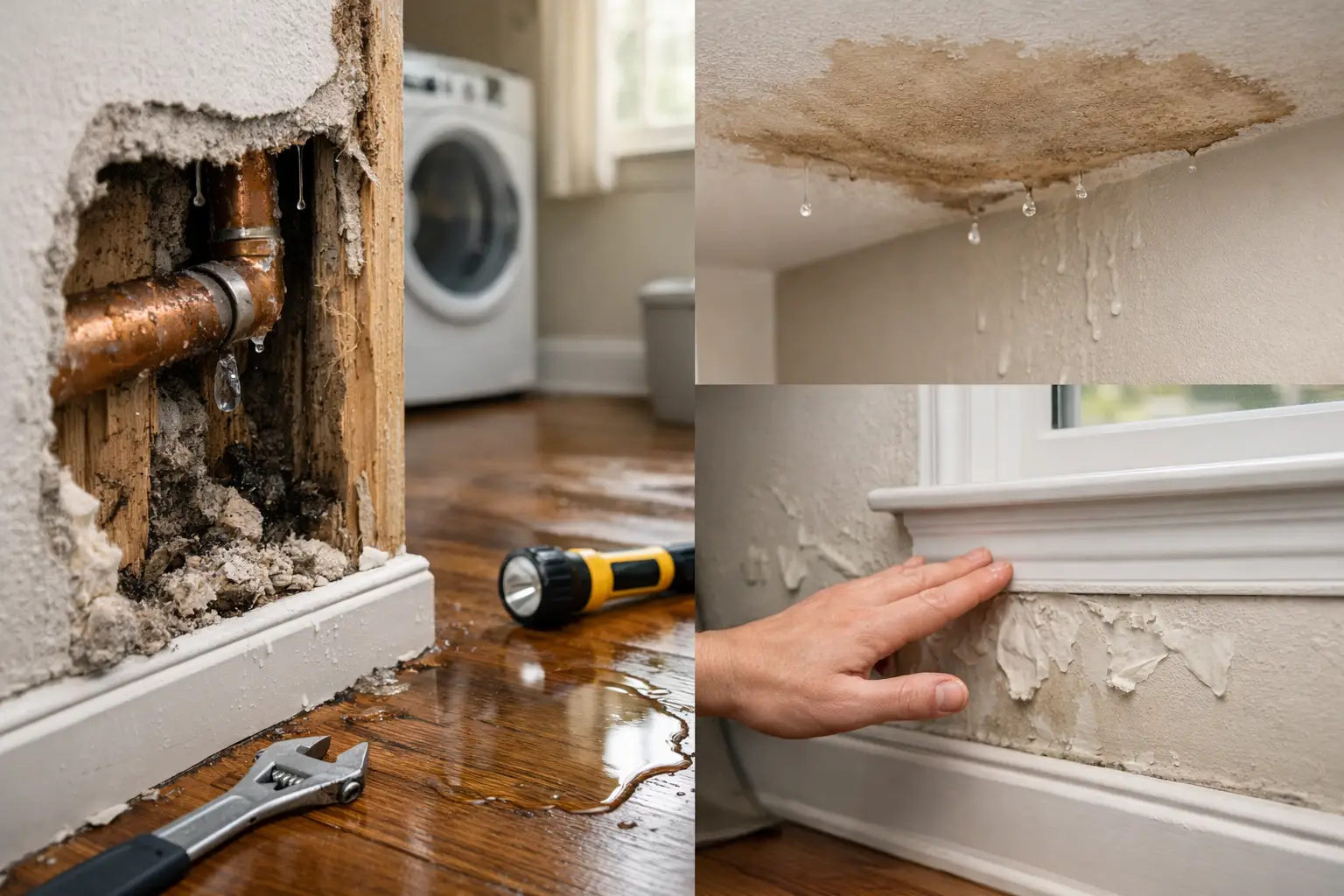
A hidden leak rarely announces itself with a burst pipe or a flooded floor. More often, it starts quietly – a higher water bill, a musty smell in one room, or a patch of paint that suddenly looks off. Knowing the top signs of hidden water leaks can help you catch a problem early, protect your property, and avoid a much more expensive repair later.
For homeowners, landlords, and property managers, the challenge is that water can travel. The damp spot you see may not be where the leak started. A pipe behind a wall, under a slab, above a ceiling, or inside a utility area can leak for weeks before the real damage becomes obvious. That is why small changes in your building matter.
Top signs of hidden water leaks you should not ignore
One of the first warning signs is an unexplained increase in your water bill. If your household routine has not changed but the monthly cost keeps rising, water may be escaping somewhere out of sight. This is especially common with small supply line leaks, running toilets, and underground pipe issues. A single leak does not need to be dramatic to waste a surprising amount of water over time.
A drop in water pressure can also point to a hidden issue. If faucets or showerheads suddenly feel weaker than usual, there may be a leak reducing pressure somewhere in the system. That said, low pressure does not always mean a leak. Mineral buildup, valve problems, and municipal supply issues can cause similar symptoms. The key is whether the pressure change is new, noticeable, and limited to one area or affecting the whole property.
Unusual sounds are another clue people often miss. If you hear water running when no fixture is in use, take that seriously. Hissing behind walls, a faint dripping in the ceiling, or the sound of a toilet refilling too often can all point to hidden water loss. In a quiet building, these sounds are often easier to notice at night or early in the morning.
Then there are the visual signs. Stains on ceilings or walls, bubbling paint, peeling wallpaper, warped baseboards, and soft drywall are all common indicators. Water changes building materials before it becomes visible as an active drip. A yellow or brown ceiling mark, for example, may seem minor at first, but it usually means moisture has already been present for some time.
Flooring can tell a story too. Wood may cup or swell, laminate may lift at the seams, and tile areas may feel loose if moisture has affected the subfloor. In bathrooms, kitchens, laundry rooms, and mechanical spaces, a slight change in how the floor feels underfoot can be the first sign of a concealed problem.
Hidden leak symptoms that show up in the air and smell
Not every leak leaves a clear stain. Some show up as humidity, odor, or air quality issues instead. If one room feels persistently damp or muggy compared with the rest of the building, hidden moisture may be collecting inside walls or under floors. This can happen even when there is no visible standing water.
A musty smell is one of the most reliable warning signs. When water lingers in enclosed spaces, mold and mildew begin to grow. You may notice the odor in a bathroom, under a sink, near a utility closet, or in a lower level room. Air fresheners may cover it temporarily, but they do not solve the source.
In some cases, people first notice hidden leaks because of mold spots. Small black, green, or gray patches around baseboards, ceiling corners, window trim, or cabinet interiors can mean more than just surface moisture. Mold needs water to grow. If it keeps coming back after cleaning, there is a good chance moisture is still feeding it from behind the surface.
For commercial spaces and multi-unit buildings, these signs can be more complicated. Odors may travel between units or through shared wall cavities, and a leak in one area can appear as damage in another. That is one reason early investigation matters in apartment buildings, offices, and government facilities where plumbing systems are more complex.
What your water meter and fixtures can reveal
If you suspect a hidden leak, your water meter can offer a quick reality check. Turn off all faucets, appliances, and fixtures that use water, then check the meter. Wait a short period without using any water and check again. If the reading changes, water may be moving through the system somewhere it should not.
Toilets deserve special attention because they are one of the most common hidden sources of water waste. A toilet can run silently enough that you barely notice it, yet waste hundreds of gallons over time. If you hear periodic refilling, notice movement in the bowl when it has not been flushed, or see the tank hardware wearing out, it is worth having it checked.
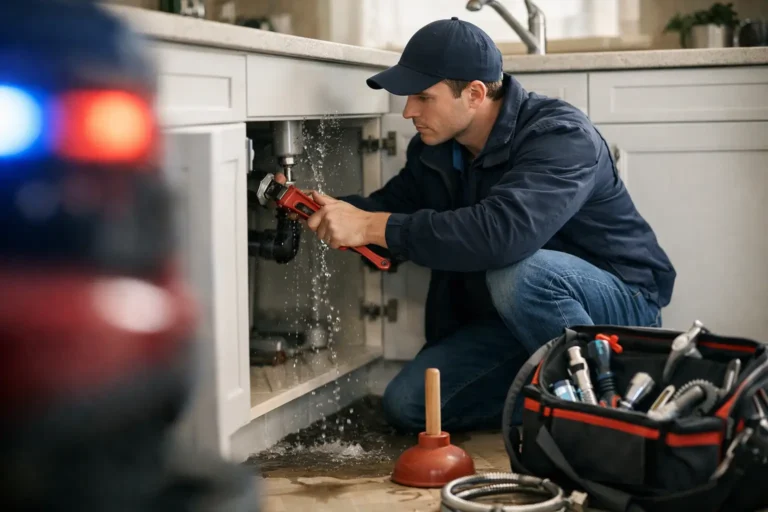
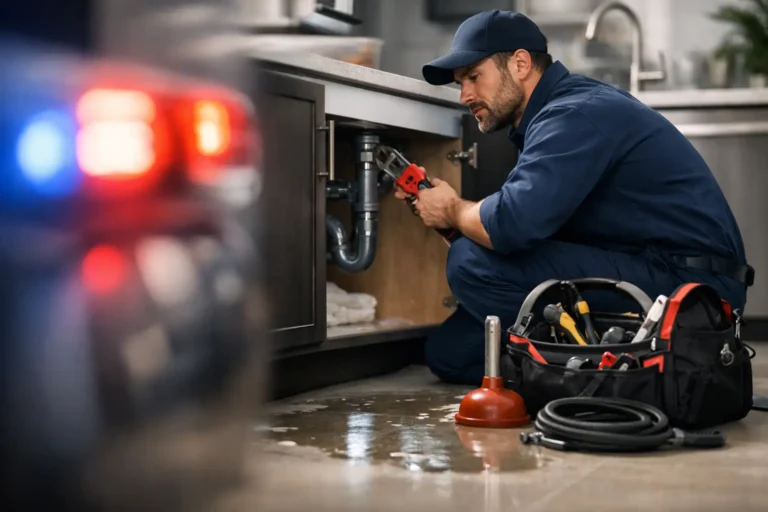
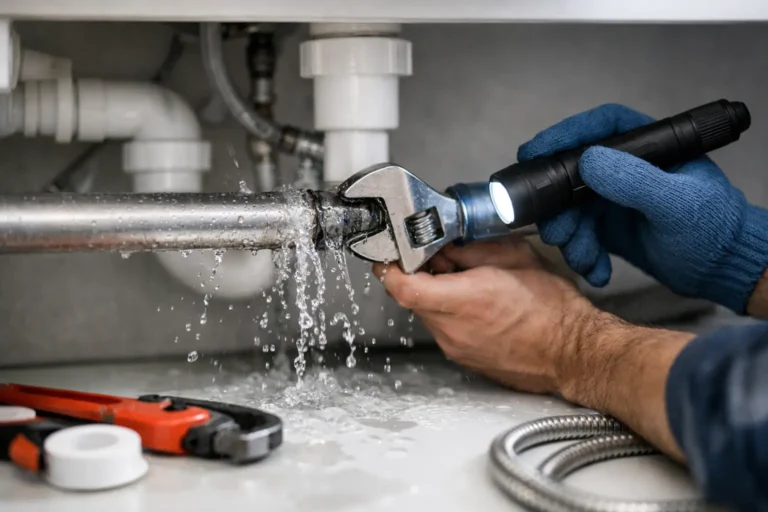
Under-sink leaks are another easy one to overlook. Many start small and stay hidden behind stored items. By the time a homeowner notices cabinet swelling or a damp odor, the leak may have already damaged the cabinet base, wall, or flooring. The same goes for dishwasher lines, refrigerator water lines, and washing machine hoses. These connections often fail slowly before they fail badly.
Hot water lines can add another clue. If you notice hot spots on the floor, warm areas on a wall, or your water heater running more often than usual, a hot water line leak may be the cause. These are not issues to put off, especially if they are affecting finished flooring or nearby electrical areas.
When the problem may be outside the walls
Some hidden leaks are not inside the living space at all. Underground water service lines, irrigation lines, and exterior drainage-related plumbing can leak without obvious indoor symptoms at first. You might see unusually green patches in the yard, wet soil that never seems to dry, pooling near the foundation, or a driveway area that stays damp.
Foundation cracks, shifting soil, and unexplained moisture in basements or crawl spaces can also tie back to hidden water issues. It depends on the property, the age of the plumbing, and recent weather conditions. Heavy rain can mimic some of these symptoms, but if the moisture persists during dry periods, it is worth a closer look.
For properties in older parts of Greater Vancouver, aging pipes are often part of the equation. Corrosion, joint wear, and outdated materials can increase the risk of slow leaks that stay hidden until damage spreads. Newer buildings are not immune either. Poor installation, fixture failures, and pressure-related stress can create leaks even in newer systems.
When to call a plumber for hidden leak detection
Some warning signs can be monitored for a day or two, but others need immediate attention. If you see active dripping, major staining, sagging ceilings, mold growth, sudden pressure loss, or a sharp jump in your water bill, it is time to have the system inspected. Waiting usually means more damage to drywall, flooring, insulation, and framing.
There is also a safety side to hidden leaks. Water near electrical wiring, panels, or appliances increases risk. So does moisture around gas equipment, water heaters, and HVAC systems. In rental and commercial properties, delays can also affect tenants, operations, and compliance responsibilities.
Professional leak detection matters because finding the source is not always straightforward. Water can move along framing, pipes, and surfaces before it shows itself. A proper inspection helps separate the symptom from the actual problem. That saves time, limits unnecessary wall opening, and gets the repair moving faster.
At Encano Plumbing & Drainage Ltd., we see this often – the leak looked small from the outside, but the hidden damage had already spread farther than expected. Catching it earlier usually means a simpler repair, less disruption, and lower overall cost.
If something in your home or building feels off, trust that instinct. A faint smell, a soft floor, or a higher bill may not seem urgent on its own, but those small warnings are often the first chance to stop a bigger plumbing problem before it gets worse.