
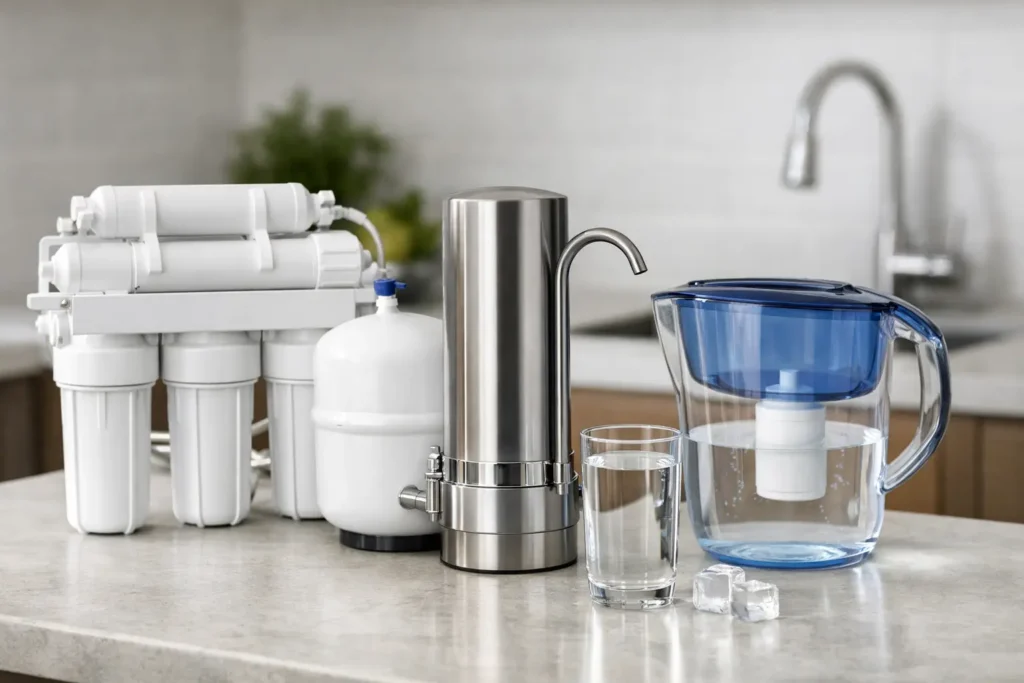
A glass of water can look perfectly clear and still leave you wondering about chlorine taste, mineral buildup, old building pipes, or what is actually reaching your tap. The best water filtration systems for your home are not always the largest or most expensive units. The right choice depends on your water quality, the contaminants you want to address, how much water your household uses, and whether you need filtered water at one faucet or throughout the property.
For homeowners, landlords, and property managers, a good filtration plan should improve water quality without creating pressure problems, constant maintenance, or surprise costs. Start with the problem you are trying to solve, then choose the system designed to solve it.
Start With Your Water, Not the Filter
Municipal water is treated before it reaches most homes, but treatment does not mean every property has the same experience at the tap. Chlorine or chloramine can affect taste and odor. Sediment may enter through aging pipes or after utility work. Older plumbing materials can raise concerns about lead, while hard water can leave scale on fixtures, appliances, and glassware.
A water test is the most practical place to begin, especially if your home uses a private well, has recurring staining or odor, or was built decades ago. Testing helps separate a taste concern from a health-related contaminant concern. It also prevents spending money on equipment that treats a problem you do not have.
If your concern is primarily chlorine taste, a basic carbon filter may be enough. If testing identifies dissolved minerals, certain metals, or other contaminants, you may need a more specialized approach. Your local water report can provide useful background, but it cannot account for the condition of plumbing inside your building.
Best Water Filtration Systems for Home Needs
There is no single system that suits every house or apartment. These options serve different purposes, and many homes benefit from combining them.
Pitcher and countertop filters
Pitchers and countertop filters are the simplest entry point. They are affordable, require no plumbing changes, and can improve the taste of drinking water. They work well for renters, small households, or anyone who wants a short-term solution.
Their limitations are capacity and consistency. Filters need frequent replacement, and they only treat the water you pour through them. They do not help with shower water, laundry, ice makers, or scale in appliances. A pitcher is useful for taste, but it is not a whole-home water quality strategy.
Faucet-mounted and under-sink filters
Faucet filters attach directly to the kitchen tap, while under-sink systems are installed below the counter and usually connect to a dedicated drinking-water faucet. Both are point-of-use filters, meaning they treat water where you drink or cook with it.
Under-sink carbon filtration is often a strong choice for homes that want better-tasting drinking water without changing the rest of the plumbing system. Quality systems can reduce chlorine, sediment, and certain contaminants, depending on the filter media and certification. They also provide more capacity than a pitcher and keep the countertop clear.
Installation matters here. The filter needs accessible shutoff valves, enough cabinet space, and a setup that does not restrict water flow or create a future leak point. In condos and rental properties, a professional installation can be especially worthwhile because access and plumbing layouts are often tighter.
Reverse osmosis systems
Reverse osmosis, often called RO, is one of the most thorough point-of-use filtration methods for drinking water. It uses a membrane to reduce a wide range of dissolved substances, typically alongside sediment and carbon prefilters. RO is commonly selected when testing shows concerns that basic carbon filtration may not address.
The trade-off is that RO systems use more space, require regular filter and membrane service, and send some water to the drain during the filtration process. They can also reduce beneficial minerals along with unwanted dissolved materials. Some homeowners choose a remineralization stage for taste, though that is a preference rather than a requirement.
RO is usually best installed at the kitchen sink for drinking and cooking water, not as a whole-house solution. Running all household water through RO would be expensive and unnecessary for most properties.
Whole-house sediment and carbon filtration
A whole-house system is installed where water enters the building. It treats water before it reaches kitchen faucets, showers, toilets, laundry equipment, and water heaters. These systems are a practical option when sediment is affecting several fixtures or when the household wants chlorine reduction beyond the kitchen tap.
A sediment prefilter protects plumbing fixtures and appliances by catching particles before they move through the system. A whole-house carbon filter can improve odor and reduce chlorine throughout the home. This can make showering more comfortable for people sensitive to chlorine smell and may help protect rubber seals and appliance components over time.
These systems need proper sizing. A filter that is too small can reduce flow when several fixtures run at once. A well-planned installation considers household demand, pipe size, pressure, bypass valves, drain requirements, and easy access for future service.
Water softeners and conditioners
Hard water is not the same as contaminated water. It is caused mainly by calcium and magnesium, which can create white scale, reduce soap lather, and shorten the life of water-using appliances. A traditional ion-exchange water softener removes hardness minerals and is often the most effective answer when scale is the main issue.
Softeners require salt and periodic maintenance. They are not designed to replace a drinking-water filter, and they do not address every contaminant. Salt-free conditioners may help reduce scale formation in some situations, but they do not actually remove hardness minerals. The better fit depends on your water hardness, household preferences, and local installation requirements.
UV water treatment
Ultraviolet systems use UV light to disinfect water by targeting microorganisms. They are most common for private wells or water supplies with a potential biological risk. UV does not remove sediment, chemicals, minerals, or bad taste, so it is usually paired with other filtration stages.
For UV to work properly, the water must be clear enough for the light to reach microorganisms. That means sediment filtration and scheduled lamp service are essential. It is a specialized tool, not a general-purpose filter.
What to Look for Before You Buy
Marketing claims can make filters sound interchangeable, but the details matter. Look for systems independently certified for the specific reduction claims you need. A filter rated for chlorine taste may not be rated for lead, cyst reduction, or dissolved solids. Read the performance data rather than relying on broad labels such as “pure” or “advanced.”
Also consider the real cost over time. The purchase price is only one part of the decision. Replacement cartridges, membranes, salt, UV lamps, service visits, and possible plumbing changes all affect long-term value. An inexpensive system with difficult-to-find filters can become a headache within a year.
Capacity and flow rate deserve equal attention. A busy family home needs more flow than a one-bedroom apartment. For a whole-house system, choose equipment that can support showers, appliances, and faucets at the same time without a noticeable drop in pressure.
Installation and Maintenance Protect Your Investment
Even the best filter can underperform if it is installed poorly or ignored after installation. Cartridges become clogged, carbon media becomes exhausted, membranes wear out, and sediment filters need replacement. Waiting until water tastes bad is not a reliable maintenance plan because some filters lose effectiveness before there is an obvious change at the tap.
Keep the service schedule with your household records or building maintenance log. Check for leaks after cartridge changes, clean the surrounding area, and replace filters using the manufacturer’s recommended intervals. If you notice reduced pressure, unusual noises, water around the housing, or a sudden return of taste or odor, have the system checked.
For whole-house equipment, professional installation also helps avoid common problems such as reversed flow direction, inaccessible filter housings, missing shutoff valves, or no bypass line for maintenance. At Encano Plumbing & Drainage, a licensed plumber can assess the existing plumbing and recommend a setup that fits the property instead of forcing a one-size-fits-all unit into the space.
A Practical Way to Choose
Choose a pitcher or faucet filter if you rent, need a low-cost option, or mainly want better-tasting drinking water. Choose an under-sink carbon system for reliable filtered water at the kitchen tap. Consider reverse osmosis when testing points to dissolved contaminants that require more detailed treatment. Choose whole-house sediment and carbon filtration when the issue affects water across the property, and add a softener when hardness and scale are the main concern.
The smartest next step is simple: identify what is in your water, decide where you want treatment, and select equipment that you can maintain. Clean, dependable water should make daily life easier, not add another complicated system to manage.