A failed backflow test usually shows up at the worst time – during a routine compliance check, after a repair, or when a property manager is already juggling ten other issues. A Delta backflow testing service is meant to prevent that kind of surprise. It confirms that the device protecting your drinking water is working properly and that contaminated water cannot reverse direction and enter the clean supply.
For homeowners, landlords, and commercial property operators, this is not just a paperwork task. Backflow prevention protects people, buildings, and water systems. If a device fails and goes unnoticed, irrigation water, boiler chemicals, or stagnant water from a plumbing system can move where it should not. Testing catches those problems early, before they turn into a health risk or a compliance issue.
What a Delta backflow testing service actually covers
Backflow testing is a licensed inspection of a backflow prevention assembly. The tester checks whether the device is holding pressure correctly and whether each internal component is doing its job. That includes valves, check assemblies, and relief functions, depending on the type of device installed.
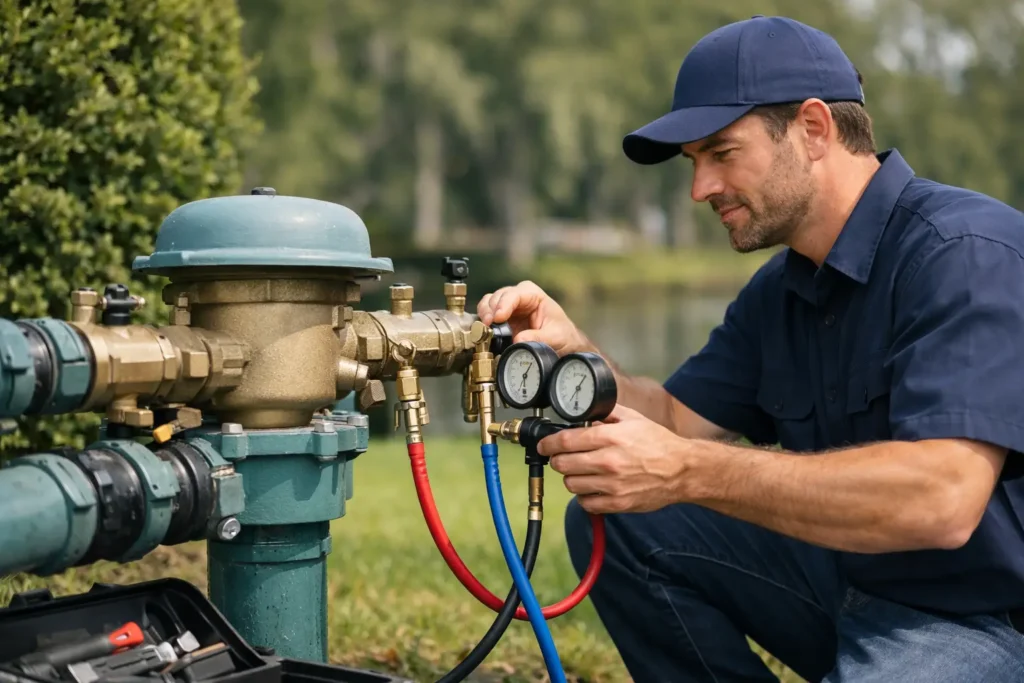
A proper service call is more than a quick glance at the unit. The technician will identify the assembly, inspect its condition, connect calibrated test equipment, perform the required test procedure, and document the results. If the device passes, the report can be submitted as required. If it fails, the next step is usually repair, replacement of worn parts, and retesting.
This matters because many devices look fine from the outside even when the internal seals or springs are worn. You cannot confirm safe operation by appearance alone. Testing is what tells you whether the assembly is still protecting the potable water supply.
Why backflow testing matters for homes and commercial properties
Most people do not think about backflow until they receive a notice or fail an inspection. The risk, though, is real. Backflow happens when a pressure change allows water to flow in the wrong direction. That can happen during a water main break, heavy system demand, firefighting activity, or equipment malfunction inside a building.
In a home, the concern may involve irrigation systems, hose bibbs, boiler systems, or other cross-connections. In a commercial building, the stakes are often higher because of more complex plumbing systems, larger equipment, and a wider range of contaminants. Restaurants, multi-unit buildings, medical facilities, industrial spaces, and government properties often have multiple assemblies that need scheduled testing.
There is also a practical side to it. Staying current with testing helps avoid fines, failed inspections, tenant complaints, and scheduling pressure later. A small issue found during annual testing is usually easier and cheaper to deal with than an emergency repair after a device has been neglected for years.
When you may need Delta backflow testing service
Annual testing is the standard requirement for many backflow prevention assemblies, but the timing can vary depending on local regulations and the type of property. You may also need testing after a new installation, after a repair, after a device is relocated, or when a water provider requests updated records.
Property owners often call when they receive a reminder notice, but there are other signs that should not be ignored. If a backflow preventer is leaking, discharging water, showing corrosion, or has not been serviced in a long time, it should be checked. The same goes for buildings with plumbing changes, irrigation upgrades, or heating system work that may affect cross-connection control.
For landlords and facility managers, scheduling ahead is usually the better move. It gives you time to address any repairs without turning a simple inspection into an urgent problem.
Common problems found during backflow testing
Not every failed test means the whole assembly must be replaced. In many cases, the issue is a worn check valve, debris inside the device, weakened springs, damaged rubber components, or a relief valve that is no longer performing correctly.
Age is a major factor. Like other plumbing components, backflow preventers wear down over time. Hard water, sediment, exposure to weather, lack of maintenance, and normal mechanical use all take a toll. Outdoor assemblies are especially vulnerable because changing temperatures and moisture can accelerate deterioration.
That said, repair is not always the right answer. If a device is heavily corroded, repeatedly failing, or built with outdated parts that are difficult to source, replacement may be more cost-effective. A good technician will explain that trade-off clearly instead of pushing one option by default.
What to expect during the appointment
A professional testing visit should be straightforward and minimally disruptive. The technician will first confirm access to the assembly and check the surrounding condition. In some cases, water service may need to be briefly interrupted during the procedure, especially in commercial settings, so advance planning helps.
The actual test uses specialized gauges to measure pressure and valve performance. Once the readings are complete, you should receive a clear explanation of the result. If the unit passes, the documentation is completed. If it fails, you should be told why, what repair options exist, and whether a retest is required.
Clear communication matters here. Property owners do not need jargon. They need to know whether the water supply is protected, whether the device meets requirements, and what the next step will cost in time and money.
Choosing a Delta backflow testing service provider
Backflow testing is one of those jobs where qualifications matter. The work should be done by a certified tester who understands both the device and the reporting requirements. Experience with residential, multi-unit, and commercial systems is also valuable because not every property has the same setup.
Responsiveness is another factor people often overlook. If a device fails, you do not want to start over with a second company for repairs. It helps to work with a plumbing team that can test, diagnose, repair, and retest without dragging the process out.
Pricing should also be transparent. A fair service provider explains what is included in the test, what could change the price, and what happens if repairs are needed. That kind of clarity saves a lot of frustration, especially for property managers handling multiple buildings.
For customers in Delta and nearby areas, working with a local plumbing company can make scheduling easier and response times faster. That is especially helpful when you are dealing with compliance deadlines or a leaking assembly that needs immediate attention.
How to stay ahead of backflow issues
The easiest way to avoid trouble is to treat backflow testing like routine maintenance, not a last-minute requirement. Keep records of past test dates, know how many assemblies are on the property, and schedule the next inspection before the deadline gets close.
It also helps to pay attention to the condition of the area around the assembly. If the device is buried, blocked, exposed to damage, or sitting in poor drainage, service becomes harder and wear can increase. Simple improvements in access and protection can extend the life of the equipment.
If your building has had plumbing changes, irrigation upgrades, or heating work recently, ask whether the backflow protection setup should be reviewed. Cross-connection risks change as systems change. What worked for the property ten years ago may not be the best fit today.
A dependable plumbing company can help with that bigger picture. At Encano Plumbing & Drainage Ltd., the focus is not just on passing the test but on making sure the device, the water supply, and the property are properly protected.
Delta backflow testing service for different property types
A single-family home usually has a simpler setup, but that does not mean the risk is minor. Irrigation systems, hose connections, and auxiliary plumbing equipment can all create cross-connections that need protection.
Apartment buildings and strata properties often require a more organized approach. There may be several assemblies on-site, access coordination with tenants or maintenance staff, and tighter documentation requirements. Miss one device and the whole process becomes harder than it needs to be.
Commercial and institutional properties bring another layer of complexity. Mechanical rooms, fire protection systems, boilers, specialty equipment, and operational schedules all affect how testing is planned. In those settings, experience and coordination matter just as much as the test itself.
If you are booking a Delta backflow testing service, the goal is simple: protect the water supply, stay compliant, and deal with any issues before they become expensive. A good test gives you answers, not guesswork. And when the work is handled properly, it becomes one less thing to worry about on a property that already demands enough of your attention.