Email: emergency@encanovan.com | Phone: (604) 764-2031
Who to Call for Plumbing Emergency Help
Not sure who to call for plumbing emergency help? Learn when to contact an emergency plumber, what to do first, and how to act fast safely.
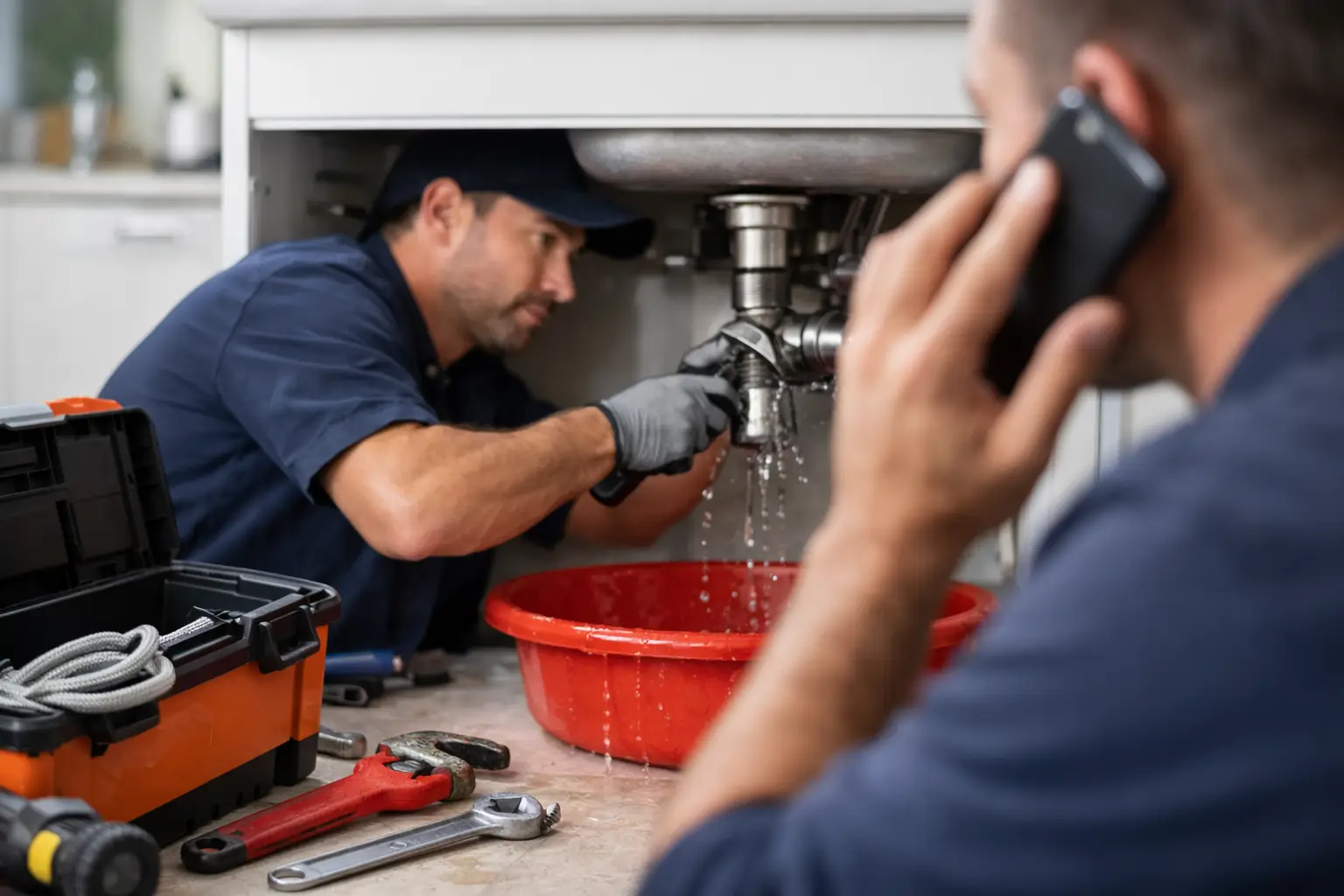
Water spreading across the floor at 2 a.m. is not the time to scroll through random listings and hope for the best. If you are wondering who to call for plumbing emergency help, the right answer is usually a licensed emergency plumber who can respond quickly, stop damage, and safely repair the problem.
That sounds simple, but in a real emergency, people often lose time calling the wrong person first. A landlord may need to be notified in a rental. A property manager may need to approve work in a commercial unit. If there is a gas smell, the first call may not be a plumber at all. Knowing the difference can save money, protect your property, and reduce risk.
Who to call for plumbing emergency situations
For most urgent plumbing problems, call a licensed plumber that offers emergency service. That includes burst pipes, overflowing toilets that will not stop, major leaks, sewer backups, no hot water in certain urgent situations, clogged drains causing active flooding, and failed shut-off valves.
An emergency plumber is equipped for problems that cannot wait until regular business hours. They do more than patch the visible issue. They identify where the failure started, isolate the affected line, and help prevent repeat damage to walls, floors, cabinets, and nearby systems.
If you own the property, that call is usually straightforward. If you rent, contact your landlord or building management right away unless the situation is actively causing major damage and immediate action is required. Many buildings have preferred vendors or after-hours procedures. Even so, protecting the property comes first, so shutting off water and documenting the issue is always smart.
When a plumbing issue is truly an emergency
Not every plumbing problem needs a middle-of-the-night visit, but some absolutely do. A dripping faucet can usually wait. A pipe spraying water behind a wall should not.
A good rule is to ask two questions. Is the problem causing active damage right now? Is there any safety risk involved? If the answer to either is yes, treat it as an emergency.
Call right away for these problems
Burst or frozen-broken pipes are at the top of the list because water damage spreads fast. The same goes for a leaking water heater, a sewer backup, an overflowing toilet that does not stop after shutting the tank supply, or a main drain clog that affects multiple fixtures.
You should also call if you have no water in part or all of the building and the cause is not obvious, especially in a commercial property or multi-unit setting where downtime affects more than one occupant. In winter, loss of water can also point to frozen lines that may burst if not handled properly.
Problems that may be urgent, but depend on the situation
No hot water is miserable, but whether it is an emergency depends on the building, the season, and who is affected. In a family home, it may be urgent but not always an emergency. In a care facility, restaurant, or multi-unit building, it can become a bigger issue much faster.
A single clogged sink might wait until morning. A clogged sink in a food-service space or a unit with ongoing overflow risk probably should not. This is where experience matters. A good emergency plumbing company will tell you honestly whether you need immediate dispatch or the next available appointment.
When not to call a plumber first
Some situations look like plumbing emergencies but need a different first response.
If you smell gas, leave the area, avoid using switches or open flames, and contact your gas utility or emergency services based on local guidance. After the area is safe, a qualified gas technician or plumber with gas fitting experience may be involved in repair, but safety comes first.
If flooding comes from heavy rain, rising groundwater, or stormwater intrusion, you may need both a plumber and water damage restoration support. If sewage has backed up into finished areas, cleanup may require specialized sanitation steps after the plumbing repair is complete.
If the issue is clearly municipal, such as a suspected city water main break outside your property line, the city or utility may need to be contacted. A plumber can still help confirm what is private-side and what is utility-side, which is often where confusion starts.
What to do before the plumber arrives
Calling fast matters, but the first five minutes after you find the problem matter too. If water is actively leaking, shut off the nearest fixture valve if you can reach it safely. If that does not work or the source is unclear, turn off the main water supply.
Next, cut power to affected areas only if it is safe to do so. Water and electricity are a dangerous combination. Do not step into standing water near outlets, appliances, or electrical panels.
Then do what you can to limit damage. Move towels, buckets, and valuables away from the leak. Take photos for documentation if the situation allows. If the leak involves a water heater, toilet supply, under-sink line, or exposed pipe, those photos can also help the plumber understand what parts may be needed before arrival.
How to choose the right emergency plumber
When you are stressed, it is easy to focus only on who answers the phone first. Response time matters, but it should not be the only factor. You want a plumber who can actually solve the problem on the first visit whenever possible.
Look for a company that clearly handles emergency plumbing, drain, and leak issues, not just scheduled installs. Ask whether they are licensed and insured, whether they service your area after hours, and whether they can give a clear explanation of emergency fees before dispatch. Fair pricing does not always mean the cheapest number over the phone. It means transparent charges, professional workmanship, and no surprises once the technician is on site.
It also helps to choose a company with broad service capability. Plumbing emergencies do not always stay in one lane. What starts as a clogged drain can turn out to be a sewer line issue. What looks like a ceiling leak may trace back to a failed bathroom seal, a cracked pipe, or a water heater problem. A team that handles diagnostics, repair, replacement, and drainage work is often better positioned to fix the root cause.
Questions to ask when you call
A short, clear phone call can speed up service. Tell them what is happening, when it started, whether water is shut off, and whether more than one fixture is affected. Mention if you see dirty water, smell sewage, hear water running inside a wall, or suspect the leak is near electrical equipment.
You can also ask how quickly a technician can arrive, whether there is an emergency service charge, and what you should do while waiting. A dependable company will not make promises they cannot keep. They will give practical guidance and set realistic expectations.
For landlords, property managers, and commercial buildings
If you manage a building, the first priority is still damage control, but communication becomes just as important. Tenants need updates. Staff may need access instructions. You may also need to document the issue for maintenance records or insurance purposes.
This is where a responsive local company makes a real difference. In Greater Vancouver, response time can vary by neighborhood, traffic, weather, and time of day. Working with a team that knows the area and handles residential, commercial, and larger property issues can reduce downtime and keep a smaller emergency from turning into a wider building problem.
Why quick action matters
People often wait because they hope the leak will slow down or the drain will clear on its own. Sometimes it does. Often it does not. Water has a way of finding the most expensive path possible – behind tile, under flooring, into drywall, and down to lower levels.
A fast call does not just protect pipes. It protects finishes, furniture, electrical systems, and indoor air quality. It can also reduce the chance that a straightforward repair turns into mold remediation, major reconstruction, or a prolonged shutdown for tenants or staff.
If you ever find yourself asking who to call for plumbing emergency help, trust the problem in front of you. If water is spreading, sewage is backing up, or a critical fixture has failed, call a licensed emergency plumber right away. If you are in Richmond, Vancouver, or nearby communities, Encano Plumbing & Drainage Ltd. is the kind of local team people rely on when fast, fair, professional service matters most. The calmer you act in those first few minutes, the easier it is to protect your property and get the right fix underway.