Email: emergency@encanovan.com | Phone: (604) 764-2031
Why Is My Toilet Constantly Running?
Why is my toilet constantly running? Learn the common causes, what you can check safely, and when it’s time to call a plumber for help.
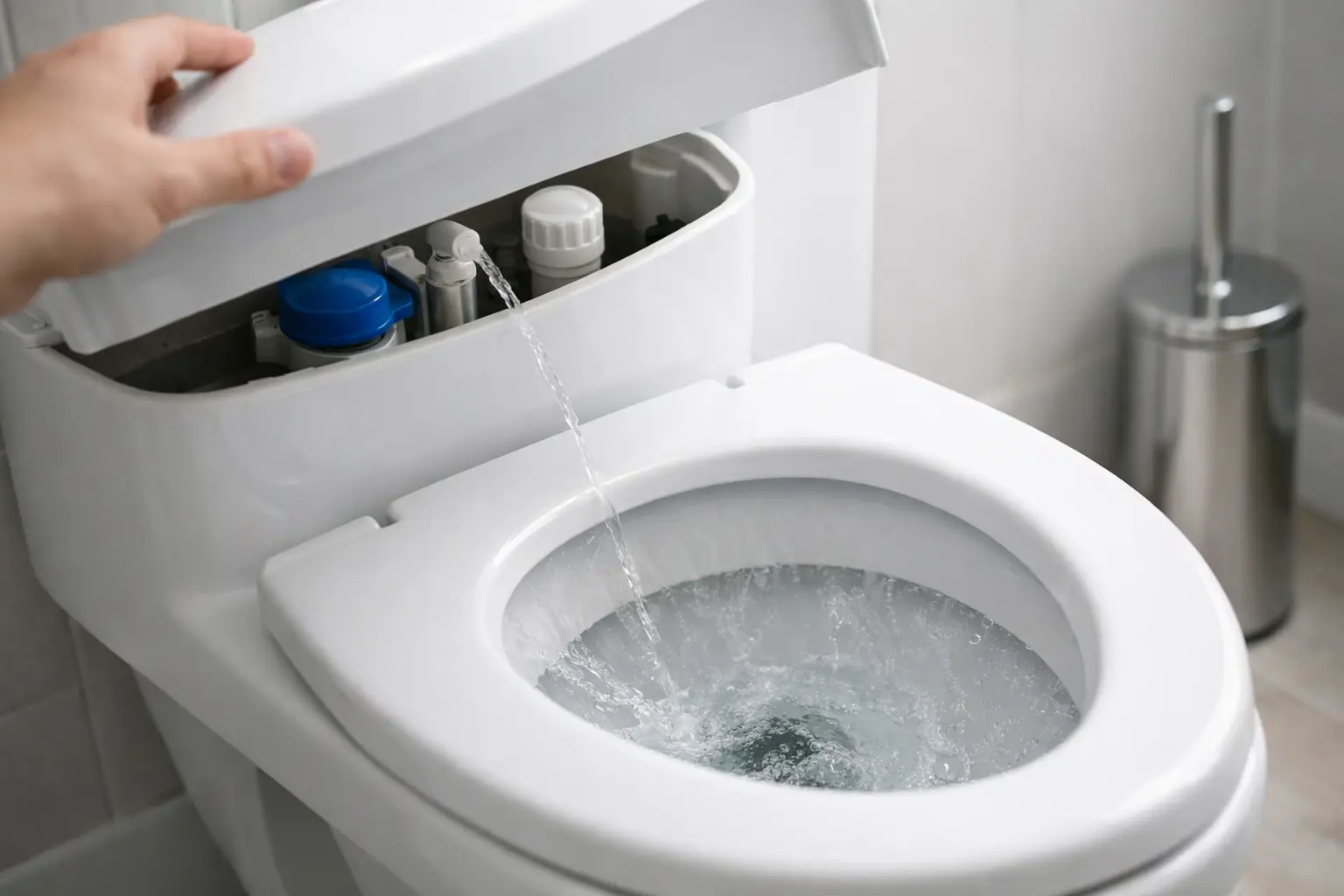
That quiet hissing sound after every flush can turn into a real headache fast. If you’re asking, why is my toilet constantly running, the short answer is that water is leaking from the tank to the bowl or the tank is not shutting off the way it should. The good news is that this is usually caused by a few common parts, and many of them are straightforward to identify.
A running toilet is more than an annoyance. It can waste a surprising amount of water, push up your utility bill, and sometimes point to wear inside the tank that will only get worse over time. In homes, condos, rental units, and commercial buildings, catching it early usually means a simpler repair.
Why is my toilet constantly running after I flush?
Most toilets run continuously for one of three reasons. The flapper is not sealing, the fill valve is not shutting off properly, or the water level in the tank is set too high and spills into the overflow tube. Those parts work together every time you flush, so when one is worn, misaligned, or dirty, the toilet keeps trying to refill itself.
In some cases, the issue is obvious. You may hear water trickling into the bowl or notice the handle feels loose. In other cases, the toilet seems quiet for a few minutes and then starts refilling again on its own. That usually means water is slowly escaping from the tank, and the fill valve is cycling back on to replace it.
The most common cause: a worn flapper
The flapper is the rubber seal at the bottom of the tank. When you flush, it lifts so water can rush into the bowl. When the tank empties, it drops back down to seal the opening.
If the flapper is warped, cracked, stiff, or coated with mineral buildup, it may not seal tightly anymore. Even a small leak around that seal can cause the tank level to drop enough to trigger the refill cycle over and over.
This is one of the most common toilet repairs because flappers wear out naturally. Water quality, tank cleaning tablets, and age can all shorten their lifespan. If you notice the toilet running on and off without anyone using it, the flapper is often the first thing to inspect.
Signs the flapper is the problem
A toilet with a bad flapper often runs intermittently rather than nonstop. You may also hear a faint trickle in the bowl, or see ripples in the water when the toilet has not been used recently. If you shut off the water supply and the tank level slowly drops, that is another strong clue.
Sometimes the flapper itself is fine, but the chain connected to it is too tight or too loose. A tight chain can keep the flapper from seating fully. A loose chain can get caught underneath it. Either way, the result is the same – water keeps leaking into the bowl.
The fill valve may be failing
The fill valve controls how water enters the tank after a flush. Once the tank reaches the correct level, the valve is supposed to shut off. If it does not, water continues flowing.
A faulty fill valve can stick open, shut off too slowly, or fail to respond to the float mechanism. In older toilets, sediment and mineral buildup may also interfere with its movement. You might hear a constant hiss from the tank, or the toilet may keep filling until excess water spills into the overflow tube.
This is where the symptoms matter. If the water level is visibly high inside the tank and spilling into the vertical overflow tube, the fill valve or float adjustment is a likely issue. If the water level is normal but the toilet still refills now and then, the problem is more likely the flapper.
A float set too high can keep the toilet running
Every toilet tank has a float that tells the fill valve when to stop. If that float is adjusted too high, the water keeps rising past the proper level. Once it reaches the overflow tube, the excess drains into the bowl, and the fill valve continues trying to keep up.
This is a simple issue, but it can look more serious than it is. A recent repair, tank movement, or aging hardware can change the float setting. In some models, you can adjust the float with a screw or clip. In others, the mechanism is built into the fill valve body.
The right water level is usually about an inch below the top of the overflow tube, though exact designs vary. If the tank is overfilling, lowering the float may solve the issue. If the float does not respond or keeps slipping out of adjustment, the fill valve may need replacement.
Smaller parts can also cause a constant run
Not every running toilet comes down to the flapper alone. The flush handle, lift chain, overflow tube, and even the tank seal can all play a part.
A sticky handle can keep tension on the chain after a flush. A chain that is the wrong length can stop the flapper from closing properly. A damaged overflow tube can let water escape at the wrong point. In older toilets, parts may still function, but not consistently.
That is why two toilets with the same symptom can need different fixes. One might need a five-minute chain adjustment. Another may need a full rebuild of the tank hardware because multiple parts are worn at once.
What you can check safely before calling a plumber
If you are comfortable lifting the tank lid, there are a few basic checks you can do without special tools. First, flush the toilet and watch what happens inside the tank. See whether the flapper closes fully, whether the chain gets snagged, and whether the fill valve shuts off once the tank refills.
Next, look at the water level. If it is too high and spilling into the overflow tube, that points toward the float or fill valve. If the level looks normal but the toilet starts refilling again later, the flapper is the more likely culprit.
You can also press down gently on the flapper after the tank fills. If the running stops, the seal is probably the issue. If the toilet keeps filling no matter what, the fill valve is a stronger suspect.
These checks are useful because they help narrow down the problem, but they do not always tell the whole story. A toilet can have more than one worn part, especially if it is older or has been repaired several times before.
When a DIY fix makes sense and when it doesn’t
Replacing a flapper or adjusting a chain is often manageable for homeowners who are comfortable with basic plumbing tasks. These are low-cost parts, and the repair itself is usually simple if the toilet model is standard and the shutoff valve works properly.
But there are trade-offs. Not all replacement parts fit every toilet, and using the wrong one can create new leaks or inconsistent flushing. If the shutoff valve is stuck, the tank bolts are corroded, or the toilet has multiple failing parts, what starts as a small fix can become frustrating quickly.
For landlords, property managers, and business owners, time matters too. If a tenant is reporting a constantly running toilet, it may be more practical to have it repaired correctly the first time rather than making repeated low-cost fixes that do not last.
Why a running toilet should not be ignored
A toilet that runs all day can waste a lot of water, and that waste adds up. In a single-family home, the result is usually a higher water bill. In multi-unit buildings or commercial spaces, the hidden cost can be even bigger because the issue may go unnoticed longer.
There is also the wear on the toilet itself. A fill valve that keeps cycling, a flapper that never seals properly, or an overflow condition inside the tank puts ongoing stress on aging parts. What begins as a minor repair can turn into a more involved service call if another component fails.
If you live in an area where water costs are high, or manage a property with several bathrooms, it makes sense to act sooner rather than later. A quick repair is usually far more affordable than letting the problem continue for weeks.
When to call a professional plumber
If you have checked the tank and the cause still is not clear, or if you replaced one part and the toilet is still running, it is time to bring in a professional. The same goes for toilets with hidden leaks, commercial restroom fixtures, older plumbing systems, or any repair that involves shutoff problems or worn internal hardware across multiple parts.
A licensed plumber can identify the real source of the issue quickly, replace the right components, and make sure the toilet fills and flushes the way it should. In some cases, the smarter long-term choice is not another small part replacement, but upgrading the toilet if the unit is old, inefficient, or repeatedly giving trouble.
For homeowners and property managers in Vancouver and nearby areas, a running toilet is one of those repairs that feels small until it is not. Encano Plumbing & Drainage Ltd. handles these issues the practical way – find the cause, fix it properly, and help you avoid wasted water and repeat problems.
If your toilet keeps running, trust what it is telling you. Water is moving somewhere it should not, and the sooner you deal with it, the easier the fix usually is.