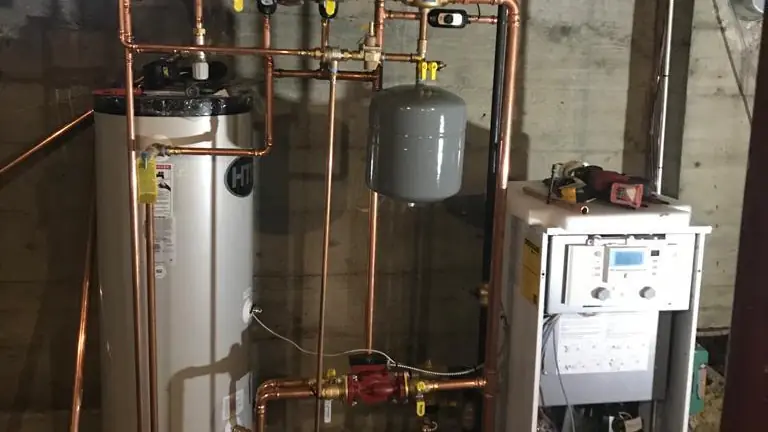
Water Heater Replacement Cost: A 2026 Vancouver Guide

In Greater Vancouver, a straightforward tank-style water heater replacement commonly lands around C$1,400 to C$1,800 installed when labour and code-compliance work are included. In British Columbia more broadly, installed pricing can range from about C$960 to C$3,910 depending on fuel type, tank size, and venting complexity.

That's the part most online estimators miss. Homeowners usually start by searching the price of the tank itself, then get surprised when the actual quote includes removal, fittings, venting checks, permit-related work, and bringing the installation up to current code. If you woke up to a cold shower, a leaking tank, or rust-coloured water, the central question isn't just what unit to buy. It's what the full installed water heater replacement cost will be in your home, in your utility room, with your existing plumbing and gas or electrical setup.

In Vancouver, Richmond, Burnaby, and nearby communities, that difference matters. A like-for-like replacement in an open mechanical room is one job. An older home with tight access, dated venting, or a fuel-type change is another. If your heater has stopped heating, it also helps to know whether you're dealing with a repairable issue or a replacement situation. This guide on common reasons a water heater stops heating is useful when you're trying to sort that out quickly.

Table of Contents

That Morning With No Hot Water

A lot of replacements start the same way. Someone in the house takes the first shower of the day, realises the hot water is gone in minutes, then finds a damp patch around the old tank. Or the unit hasn't failed completely, but it's making odd noises, running out faster than it used to, or leaving you wondering whether today is the day it finally lets go.

That's when homeowners start searching water heater replacement cost, and usually with some urgency. They don't want theory. They want a realistic number and a clear explanation of what drives it.

What this situation usually looks like

In local homes, the first thing to sort out is whether you're looking at a simple replacement or a problem job disguised as a simple replacement.

A straightforward job tends to look like this:

  • Same fuel type: electric for electric, or gas for gas.
  • Same general size: no major change in capacity.
  • Accessible location: basement, garage, or utility room with room to work.
  • Existing services in usable condition: supply lines, shutoffs, and venting don't need major changes.

A more expensive call usually starts with one of these:

  • Visible leakage: water around the tank often means replacement, not repair.
  • Older setup: venting, gas connections, or electrical details may no longer meet current expectations.
  • Tight space: closet installs and cramped mechanical rooms take longer.
  • Upgrade request: moving to tankless or changing fuel type adds work fast.

Most price surprises don't come from the heater itself. They come from everything attached to it.

The question behind the question

When people ask, “How much does it cost to replace a water heater?” what they usually mean is, “What's the bill going to be when this is fully installed, safe, removed, and working today?”

That's the right question.

The appliance is only one part of the job. A proper replacement also includes disconnecting the old unit safely, hauling it out without damaging the home, reconnecting water lines, checking pressure relief components, confirming the venting or electrical side is right, testing for leaks, and making sure the system is operating properly before anyone leaves.

If your unit failed this morning, the useful approach is simple. Start by assuming a standard tank replacement may be manageable if it's like-for-like and accessible. Start preparing for a higher quote if the home is older, access is poor, or you're thinking about tankless.

Typical Water Heater Replacement Costs in Greater Vancouver

For most homeowners, the useful number is the installed price, not the sticker price on the heater. In BC, local contractor guidance places a straightforward standard residential replacement around C$1,400 to C$1,800, and broader provincial pricing from a major manufacturer runs roughly C$960 to C$3,910 depending on fuel type, size, and venting complexity, as outlined in this BC water heater cost guide.

A chart showing typical water heater replacement costs in Greater Vancouver by type of heater.

What local pricing usually looks like

Heater Type Typical Installed Cost Range (CAD)
Standard residential water heater replacement in Metro Vancouver C$1,400 to C$1,800
Broader BC installed pricing depending on fuel type, tank size, and venting complexity C$960 to C$3,910

That table is intentionally conservative. It reflects the numbers that are most useful for planning without pretending every home fits neatly into one price band.

Here's the practical reading of those numbers:

  • Lower end jobs are usually like-for-like swaps with good access.
  • Middle range jobs often involve a gas unit, added fittings, or moderate code-related adjustments.
  • Upper end jobs tend to involve larger units, difficult venting, or a setup that needs more correction before a new heater can be installed safely.

Why Vancouver quotes often run higher than online estimates

A lot of homeowners compare local quotes to American web pages and assume the contractor is padding the bill. Usually that's not what's happening.

The biggest difference is that local installed pricing includes the actual site conditions. In Metro Vancouver, plumbers regularly run into older mechanical rooms, limited access in Vancouver Specials, townhouse utility closets, and venting details that can't just be ignored because the old unit “worked fine.”

Another reason is that local pricing is built around the complete job. You're not buying a box. You're paying for skilled removal, proper connection, safe startup, code-aware installation, and cleanup.

Practical rule: If one quote looks dramatically cheaper, check whether it includes disposal, fittings, code corrections, and startup testing. A low number on paper can become an expensive job once the old unit is out.

A practical example. An electric tank in an open Richmond garage often stays near the straightforward range if the replacement is similar in size and location. A gas unit in an older Vancouver home with venting issues, a cramped utility closet, or line adjustments can move well beyond that basic benchmark because the work is no longer just “take one out, put one in.”

Whats Included in Your Quote Parts vs Labour vs Permits

When a homeowner sees a quote, the first reaction is often, “How can the total be that high for one water heater?” The answer is simple. The quote covers far more than the tank.

What you are actually paying for

A proper replacement usually includes several layers of work:

  • The water heater itself: tank, controls, and factory components that come with the unit.
  • Labour: disconnecting the old heater, setting the new one, reconnecting plumbing, checking operation, and dealing with site-specific issues.
  • Materials: connectors, valves, fittings, pipe, vent-related components where needed, and other small parts that make the installation safe and complete.
  • Removal and disposal: hauling out a heavy, awkward old tank is part of the job.
  • Permit and compliance-related work: depending on the installation, code and municipal requirements can affect what has to be updated.

For homeowners, the key point is that the final number reflects the installed system, not just the appliance.

A practical example from a typical replacement

Take a common scenario in Vancouver. The old tank is in a utility room, it still has water in it, and it has to come up a few steps without damaging the walls or flooring. Once it's out, the new heater doesn't line up perfectly with the old connections, so new fittings and small piping adjustments are needed. The shutoff is inspected, the pressure relief setup is confirmed, and the system is filled, tested, and checked before the plumber leaves.

That quote isn't “for a tank.” It's for all of that.

What doesn't work is buying a bargain unit and assuming the install will be cheap because the heater was cheap. In practice, the lower-cost unit can still need the same labour, the same compliance checks, and the same disposal work.

A transparent quote should let you understand the broad categories, even if every contractor formats it differently. Ask direct questions:

  1. Is old unit removal included
  2. Are connection materials included
  3. Is any permit-related work included if required
  4. What happens if code issues show up after the old unit is removed

Those questions usually tell you whether you're looking at a realistic number or an incomplete one.

A professional install protects more than hot water. It protects the home from leaks, venting issues, and the cost of redoing rushed work.

Key Factors That Change Your Final Price

Two homes can need “the same” water heater replacement and end up with very different quotes. That's normal. The final price follows the conditions on site.

An infographic showing five key factors that influence food pricing, including quantity, seasonality, cut type, quality, and supply.

When the job stays simple

The least complicated replacements tend to share a few traits.

  • Open access: a heater in a garage or open basement is faster to remove and replace.
  • Like-for-like setup: same fuel, similar size, same location.
  • Existing services in good shape: no surprises with venting, gas, or electrical.
  • Modern enough installation: fewer corrections needed before the new unit goes in.

In that kind of home, the work is more predictable. The quote usually reflects standard labour and routine materials, not troubleshooting.

When the price moves up

Here's where quotes climb.

A tank in a tight closet or crawlspace takes more time just to remove safely. Older homes may need venting corrections, gas-line adjustments, or electrical updates before the replacement can be signed off with confidence. A larger unit can also create more work because the fit-up changes and the handling is harder.

A fuel conversion changes the job entirely. Moving from electric to gas, or choosing a more involved upgrade path, means new infrastructure may be needed. If you're considering a broader upgrade rather than a basic swap, local homeowners often start by reviewing same-day water heater installation options in Metro Vancouver to understand what types of systems are being installed in the area.

A few practical examples make this clearer:

  • Older Vancouver Special: the heater is in a cramped room, and the venting arrangement doesn't suit the new unit cleanly. Labour rises because the installer has to correct the setup, not just replace the tank.
  • Richmond townhouse utility closet: access is awkward, flooring needs protection, and there's little room to work around nearby piping.
  • Burnaby capacity change: the household wants more hot water, so the new unit is larger. That can mean more than a simple swap if the space or connections need adjustment.

A mistake homeowners make is assuming the old installation sets the standard for the new one. It doesn't. The old tank may have been installed years ago under different conditions, by a different contractor, or with details that wouldn't pass scrutiny today.

The biggest cost drivers at a glance

Factor Effect on price
Access to the heater More difficult access usually means more labour
Fuel type Gas setups are often more involved than electric
Venting condition Corrections or changes can add meaningful cost
Capacity change Larger units may require fit-up adjustments
Age of the home Older systems often reveal more compliance issues

The homes that stay near the lower end are usually simple. The homes that don't are the ones where the replacement uncovers everything around the heater.

Tank vs Tankless Water Heaters A Long-Term Cost Comparison

A lot of replacement calls turn into a second question. Should you put in another tank, or is this the time to upgrade to tankless?

The answer depends on how long you plan to stay, how much hot water your household uses, and whether your home can support the upgrade without heavy modification.

A cost comparison infographic showing total 10-year expenses for traditional tank versus tankless water heaters.

Upfront cost is only one part of the decision

Consumer cost guides show a wide spread nationally. Angi places tank-style replacement at about $882 to $1,816 on average and tankless at $1,400 to $3,900, while noting that local conditions matter, especially for more complex work, in this installed water heater cost overview from Angi. Another guide notes that heat pump water heaters are sometimes priced at roughly $2,000 to $6,300 installed, that federal tax credits may reach up to $2,000 in some cases, and that tankless conversions can add $150 to $2,500 in extra labour alone, as discussed in this water heater replacement cost guide covering higher-efficiency options.

Those numbers matter because they show the primary trade-off. A standard tank is usually the easier and less expensive path upfront. A tankless or heat pump option may make sense if you're planning beyond the installation day and you care about operating cost, efficiency, or hot-water demand patterns.

What doesn't work is choosing tankless only because it sounds newer. If the home needs major venting, gas, or electrical changes, the project cost can rise fast.

Who should stay with a tank and who should consider upgrading

A standard tank is usually the practical choice when:

  • You need hot water back quickly
  • The existing setup already fits a tank well
  • You want the lower upfront installed cost
  • You're replacing a failed unit with minimal disruption

A tankless system is worth a serious look when:

  • You expect to stay in the home for years
  • Hot water demand is high or inconsistent
  • Mechanical space is limited
  • You're already prepared for a higher install budget

A heat pump water heater can also enter the conversation where the home and utility setup make sense, especially if incentives apply. That's less about trendy equipment and more about long-term ownership cost.

Don't compare systems on purchase price alone. Compare them on installed cost, operating cost, and how well they fit the home you actually have.

For homeowners weighing those options, tank versus tankless water heater guidance for local households can help frame the decision before you request quotes.

The Water Heater Replacement Process Step by Step

Most of the stress around replacement comes from not knowing what happens next. The actual process is usually straightforward when the site has been assessed properly.

An infographic showing the step-by-step process for replacing a residential water heater system safely and efficiently.

Before installation day

Start with the basic details. Know whether the current unit is gas or electric, where it's located, whether it's leaking, and whether the household is completely out of hot water.

Once a plumber is on site, the important part is the assessment. A proper quote isn't based only on tank size. It's based on access, existing connections, venting or electrical conditions, and whether the replacement is exactly like-for-like.

If you're comparing providers, look for one that handles water heater replacement as a complete service. Encano Plumbing & Drainage Ltd. offers installation of both traditional and tankless water heaters, which is relevant when the job could go either direction depending on the home.

What happens during the replacement

The work itself usually follows a clean order:

  1. Shut down the existing system safely, including water and the relevant power or gas supply.
  2. Drain and remove the old heater without damaging the surrounding area.
  3. Set the new unit in place and make required connection adjustments.
  4. Complete safety and operation checks before putting the heater into service.
  5. Clean up and review the installation so the homeowner knows what was done and what to watch for.

The smoothest jobs are the ones where the installer finds no hidden issues once the old unit is removed. When there are surprises, they usually involve the surrounding infrastructure, not the heater itself.

A good final walkthrough should leave you knowing how the system operates, where the shutoffs are, and what signs would justify a service call later.

FAQs About Water Heater Replacement

How do I know if my water heater needs replacing right now

If the tank is leaking, replacement usually moves to the front of the line. If there's no leak, the decision depends on symptoms such as poor heating, repeated loss of hot water, unreliable operation, or visible deterioration around the unit.

One practical rule helps here. If the problem appears to be limited to heating performance, get it assessed before assuming the whole unit is done. If the tank body itself is failing, replacement is usually the safer path.

Are there rebates or financing options available in BC for new water heaters

Incentives can exist, especially around higher-efficiency equipment, but they aren't universal across all heater types or all homes. The strongest rebate conversations usually come up with heat pump water heaters, because some guidance references federal tax credits up to $2,000 in some cases, but eligibility depends on the program and the product details. Before you buy, verify current program terms directly with the contractor or the relevant incentive administrator.

For standard tank replacements, the bigger financial question is often not a rebate. It's whether a simple replacement solves the immediate problem without triggering a larger upgrade.

How long does a typical replacement take

A straightforward replacement is usually much faster than a conversion or a complicated upgrade. If the new unit matches the old setup and the area is accessible, the job is often completed in a single visit.

Timing stretches when access is poor, the old unit is difficult to remove, or the installer has to correct venting, gas, or electrical details before the new heater can be put into service.

Is tankless always the better investment

No. It's often the better fit for some homes, not all homes.

If your current setup supports a standard tank cleanly and your priority is restoring hot water with the lowest upfront cost, a tank replacement is often the sensible choice. Tankless becomes more attractive when long-term operating cost, space savings, or household demand justify the higher installation complexity.

Why are online estimates so often wrong

Because many of them price the heater, not the house.

They usually don't account for disposal, difficult access, older venting, fuel-type issues, or the difference between a clean utility-room swap and a problem installation in an older home. That's why local plumbing guides for Vancouver, Richmond, Burnaby, and nearby areas frame standard tank replacement as roughly in the low-thousands of dollars, while more complex tankless upgrades cost substantially more.


If you need a realistic quote for your home, Encano Plumbing & Drainage Ltd. can inspect the existing setup, explain what's affecting the installed price, and help you decide whether a straightforward tank replacement or a more involved upgrade makes sense.

Leave a Reply

Your email address will not be published. Required fields are marked *