Strata Plumbing Responsibility in BC: A Burnaby Heating and Plumbing Guide for Strata and House Owners
· By Ed Ferreira
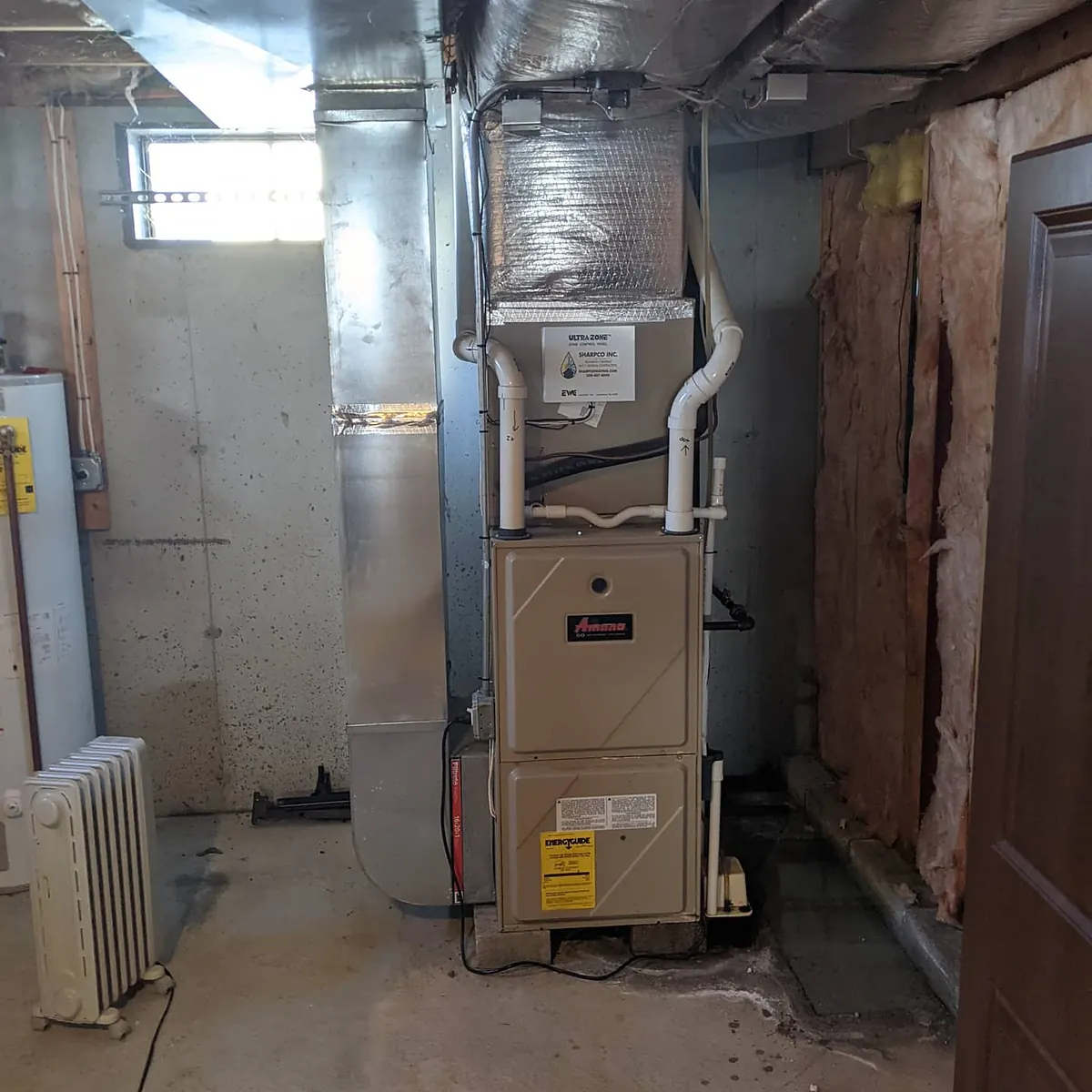
For heating and plumbing, Burnaby is really two cities. Around Metrotown, Brentwood, Edmonds and Lougheed, most people live in strata towers and townhouses, where the first question after a leak is not how to fix it but who is responsible. In neighbourhoods like Capitol Hill and Burnaby Heights, detached houses come with their own furnaces, boilers, tanks and drains, and the owner carries all of it.
This guide covers strata plumbing responsibility in BC in plain terms, then the practical side for house owners: what to check before winter, how slopes affect drainage, and when the City of Burnaby expects a permit. It is general information, not legal advice: your bylaws and strata plan decide the details.
Who Is Responsible for Plumbing in a BC Strata?
In a BC strata, the strata corporation repairs and maintains common property, and owners look after their own strata lot, but where that line falls for plumbing depends on your bylaws. The BC government's strata guidance says plainly that in some strata corporations, plumbing within the strata lot is the owner's responsibility.
As a working rule, the main risers, building supply lines, central boilers and shared drain stacks are usually common property. The faucet, toilet, dishwasher line and in-suite fixtures you use every day often fall to the owner. The grey zone is the branch piping and shut-off valves serving only your unit. Read your bylaws before you assume either way.
Hot water tanks are a classic example. The provincial guidance specifically names them as an item stratas should clarify with owners.
Who Pays the Insurance Deductible After Water Damage?
Under section 158 of the Strata Property Act, a deductible on the strata's insurance claim is normally a common expense shared through strata fees, but the strata can go after an owner who is responsible for the loss. In practice, that means a burst supply hose or a failed tank in your unit can land the deductible on you, and strata deductibles for water damage can be large.
Many stratas also have bylaws that spell out when a deductible gets charged back to an owner. Two steps protect you: read the chargeback wording in your bylaws, and ask your own insurer whether your condo policy covers the strata deductible amount your building currently carries. If you disagree with a chargeback, the Civil Resolution Tribunal handles strata disputes about maintenance, damage and bylaws.
Prevention is cheaper: braided washer hoses, a tank replaced before it fails and quick action on small drips. If a tank is already weeping, our guide to a hot water tank leaking covers what to do first.
Do You Need Strata Approval for Plumbing or Heating Work?
Often yes. Under the standard bylaws in the Strata Property Act, an owner needs written approval before altering parts of a strata lot that involve the building structure, the exterior, common property inside the lot, or the parts the strata must insure. Moving a fixture, opening a wall to a riser, adding a vent through the exterior or replacing a furnace that vents outside can all fall into those categories. Your strata may have amended these bylaws, so check the current version.
Before booking work, email the property manager or strata council with a short description, the trade doing it and the dates. Ask whether they need proof of insurance and whether a stack shut-off needs notice to neighbours. Emergency repairs to stop active water are a different situation: stop the water, then notify the strata right away.
In-Suite Furnaces, Fan Coils or a Building Boiler: What Do You Have?
Many Burnaby towers heat suites with a central boiler that feeds fan coils or baseboard heaters, while many townhouses have their own gas furnace and hot water tank in a closet or garage. The type matters, because a building boiler is almost always the strata's equipment, while a furnace that serves only your townhouse is often yours to maintain, depending on your bylaws.
If your suite has a fan coil, the unit itself and its filter may be yours to look after even though the hot water running through it comes from the building plant. If your heat stops, check whether neighbours have heat too. If nobody does, it is a building issue for the property manager. If only your suite is cold, it is more likely your equipment or a valve serving your unit.
Townhouse owners with their own furnace and tank should treat them like a house owner would. Our guide on how often to service a furnace or boiler explains a sensible maintenance rhythm.
What Should Burnaby House Owners Check Before Winter?
Fall is the time to test the heat before the first cold night. Run the furnace or boiler for a full cycle, replace the furnace filter, make sure vents and return grilles are clear. Test your carbon monoxide alarms and keep one near sleeping areas.
Older Burnaby houses often have hot water boilers and radiators, newer ones gas furnaces. If something is already acting up, booking furnace repair and maintenance before the busy season usually means more choice of appointment.
If you smell gas, do not troubleshoot. Leave the house, avoid switches, and call the FortisBC 24-hour emergency line at 1-800-663-9911 from outside.
How Do Burnaby Hillside Homes Handle Drainage and Leaks?
Burnaby is hilly, and houses on sloped lots in areas like Capitol Hill and Burnaby Heights deal with water moving downhill toward foundations during long wet stretches. Keep gutters and downspouts clear, make sure downspouts discharge where they are meant to, and watch for damp patches on the uphill basement wall after heavy rain.
Hidden leaks are the other winter risk. A water bill that jumps, a meter that moves with every tap off, or a warm spot on a slab floor can point to a supply line problem. Professional leak detection and repair finds the source without opening walls at random.
When Does the City of Burnaby Require a Permit?
The City of Burnaby issues its own plumbing, gas and heating permits. According to the city's residential trade permits page, installing, changing or upgrading any part of a plumbing system or a gas system in single and duplex dwellings needs a permit, and so does installing or replacing a heating system.
For strata buildings and anything beyond a simple swap, ask the city's Building Division before work starts. In BC, gas work has to be done by a licensed gas fitter working for a contractor licensed by Technical Safety BC, so confirm who holds the gas permit on any furnace or boiler job.
Encano Plumbing and Drain is a family-owned plumbing and heating company in Richmond, working across Burnaby. For more on local service, see our Burnaby plumbing page, or call or text (604) 764-2031 any hour for one flat price in writing before work starts. The team speaks English, Portuguese and Spanish.
Frequently asked questions
- Is strata responsible for plumbing in BC?
- It depends on the pipe and your bylaws. The strata corporation repairs common property such as main risers and shared drain stacks, while plumbing inside a strata lot is the owner's responsibility in some stratas and not in others. Check your bylaws and strata plan, then confirm with your property manager.
- Who pays for water damage from my unit to the unit below?
- If the strata makes an insurance claim, the deductible is normally a common expense, but section 158 of the Strata Property Act lets the strata recover it from an owner who is responsible for the loss. Many bylaws also set out chargeback rules. Ask your insurer whether your condo policy covers your building's deductible.
- Do I need permission from my strata to replace my hot water tank?
- Many stratas want notice or written approval, especially if the work touches common property, venting through the exterior or water shut-offs that affect neighbours. Email your property manager before booking the work.
- Who fixes the heat in a Burnaby condo with a central boiler?
- A central boiler that heats the whole building is normally the strata's equipment, so a building-wide heating problem goes to the property manager. If only your suite is cold, the issue may be your fan coil, thermostat or a valve serving your unit, which your bylaws may make your responsibility.
- Does Burnaby require a permit to replace a furnace?
- According to the City of Burnaby, installing or replacing heating systems in single and duplex dwellings requires a permit, and gas work requires a gas permit. Gas work in BC must be done by a licensed gas fitter. For strata buildings, check with the city's Building Division before starting.
- Where can I resolve a strata dispute over a plumbing chargeback?
- Start by asking the strata council for the bylaw and invoice behind the charge, and request a hearing with council if you disagree. If that does not settle it, the Civil Resolution Tribunal handles BC strata disputes about bylaws, maintenance and damage.
Related services
Serving
Found this helpful? Make us a preferred source on Google.
Ready for an exact price?
Get a flat price in writing for your home, not a phone guess. The assessment is free in Richmond.