How Often Should a Furnace or Boiler Be Serviced? A Metro Vancouver Maintenance Guide
· By Ed Ferreira
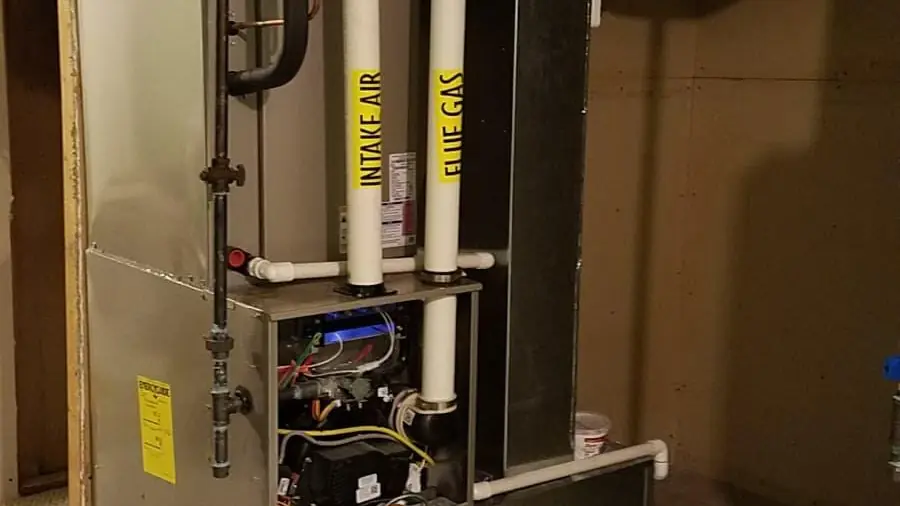
How often should a furnace be serviced? For a gas furnace or boiler in a Metro Vancouver home, the short answer is once a year, and fall is the best time to book it. That is the guidance from both Technical Safety BC and FortisBC, and most equipment manuals say the same.
This guide explains why yearly service matters, what a technician should actually check on a furnace versus a boiler, the small jobs you can safely handle yourself between visits, and roughly what a tune-up costs around here. If your heat has already stopped working, start with our guide on whether to repair or replace a furnace instead.
How Often Should a Furnace Be Serviced in BC?
A gas furnace should be serviced once a year. Technical Safety BC recommends that all home heating devices, regardless of fuel type, be serviced annually to help prevent fires and carbon monoxide poisoning. FortisBC gives the same advice: annual service by a licensed gas contractor, plus regular filter changes in between.
The same yearly interval applies to gas boilers, including combi boilers that also make your hot water. A boiler that heats your domestic water works all year, not only in winter, so skipping its service tends to catch up with you faster.
Newer high-efficiency equipment does not get a pass. Condensing furnaces and boilers produce acidic condensate, use sealed venting and rely on sensors and pressure switches that need to be checked. In BC, gas work has to be done by a licensed gas fitter working for a contractor licensed by Technical Safety BC, so the annual service is a professional job, not a weekend project.
Why Does Yearly Furnace Maintenance Matter?
Yearly furnace maintenance catches small problems while they are still small. A dirty flame sensor, a weak igniter or a partly blocked condensate line is a cheap fix in September and a no-heat call on the coldest night in January.
It is also about safety. A furnace or boiler that is not burning cleanly, or has a venting problem, can produce carbon monoxide. Every home with a gas appliance needs working CO alarms; our carbon monoxide safety guide covers placement and warning signs in detail.
Finally, many manufacturers make warranty coverage depend on proper installation and regular maintenance. Read your warranty and keep every service receipt. FortisBC suggests asking your contractor for a copy of the completed service checklist, which doubles as a maintenance record if you ever need to make a claim.
What Does a Furnace Tune-Up Include?
A furnace tune-up should be a hands-on inspection, not a quick look and a sticker. Based on Technical Safety BC's servicing checklist and normal trade practice, a proper furnace service typically includes:
Testing the safety controls and limit switches. Checking the thermostat, temperature settings and how the system cycles. Checking pressure switches and the vent blower (inducer) on high-efficiency units. Inspecting the burners and cleaning them if needed. Cleaning or checking the flame sensor and igniter. Cleaning the blower assembly and checking the motor. Inspecting the venting for blockages, gaps or corrosion. Inspecting the heat exchanger for cracks or signs of overheating. Testing for carbon monoxide. Checking and flushing the condensate drain and trap on condensing furnaces.
Ask what was tested, what readings were taken and what was found. A good technician will explain anything that is wearing out and tell you whether it can wait.
What Does Boiler Maintenance Include?
Boiler maintenance covers the same combustion and venting checks as a furnace, plus the water side of the system. A typical boiler service includes:
Verifying the safety limit controls. Checking the pressure relief valve. Inspecting and cleaning the burner. Inspecting the vent system. Inspecting the heat exchanger. Checking system pressure and the expansion tank. Looking for leaks at the boiler, pumps and valves. Checking circulator pumps and zone valves. On condensing and combi boilers, cleaning the condensate trap and checking the domestic hot water side.
If your boiler keeps losing pressure or some radiators stay cold, mention it when you book. Those symptoms are covered in our guide to a boiler that is not heating or losing pressure, and they are worth flagging so the technician can look for the cause rather than just topping up the system.
What Can Homeowners Safely Do Between Services?
You can handle a handful of simple checks yourself, as long as you stay away from the gas line, burners and the sealed combustion area. Turn the power off at the furnace switch before opening the filter door.
Filters: FortisBC suggests checking the furnace filter at least every three months. As a rough guide, a thin 1-inch fibreglass filter often needs changing about monthly during heavy use, a 1-inch pleated filter every one to three months, and a thicker 4 to 5 inch media filter every six to twelve months. Pets, renovations and dusty homes shorten those intervals, so go by the filter label and how dirty it looks.
Vents and intake: high-efficiency units often have two plastic pipes running outside, one for intake air and one for exhaust. Keep both ends clear of leaves, plants, stored items and any snow that builds up. Indoors, keep the area around the furnace or boiler clear of boxes, paint and laundry.
Condensate line: on condensing equipment, glance at the small drain tube now and then. Water pooling under the unit, a kinked tube or a gurgling sound means it is time to call for service.
Boiler pressure gauge: learn what normal looks like on your boiler. Many residential systems sit somewhere around 12 to 15 psi when cold, but go by your manual or ask your technician. A reading that keeps dropping or climbs toward the relief valve setting needs a professional.
CO alarms: press the test button on each alarm on the schedule in its manual, and replace alarms when they reach their end-of-life date.
When Is the Best Time to Book a Furnace or Boiler Service?
Early fall is the best time, roughly September through October, before the first cold snap. Heating contractors get busy as soon as temperatures drop, and a problem found in fall can be fixed on your schedule instead of during an emergency.
If you missed fall, book now anyway. A mid-winter service is far better than none. For combi boilers that also run your hot water, any time of year works, so pick a slower month and keep it on the calendar.
Families in Richmond, Burnaby and Delta often tie it to a date they will remember, such as the first long weekend in September.
How Much Does a Furnace Tune-Up Cost in Metro Vancouver?
As a rough guide, published price guides from Metro Vancouver contractors put a furnace tune-up at about $130 to $200. Boiler service is often priced separately and can run higher on larger or older systems, so ask for the price before the visit.
Any repairs found during the tune-up are extra. Common small parts like igniters or flame sensors sit at the lower end of the repair range, while larger components cost more. If the technician finds a serious issue on an older unit, our guide to furnace replacement cost in BC helps you weigh the options. Costs vary with the home and the equipment, and the final price comes from an in-person estimate.
For furnace or boiler questions in Richmond and across Metro Vancouver, call or text Encano Plumbing at (604) 764-2031 any hour, or request an estimate. You get one flat price in writing before any work starts.
Frequently asked questions
- How often should a gas furnace be serviced?
- Once a year. Technical Safety BC and FortisBC both recommend annual service for gas heating appliances, done by a licensed gas contractor. Booking in early fall, before the heating season, works best.
- Does a new high-efficiency furnace still need yearly maintenance?
- Yes. High-efficiency furnaces have condensate drains, pressure switches, sensors and sealed venting that all need checking. Many manufacturers also expect regular maintenance as a condition of the warranty, so keep your service records.
- How often should I change my furnace filter?
- Check it at least every three months, which is what FortisBC suggests. Thin 1-inch filters often need changing about monthly in winter, pleated filters every one to three months, and thick media filters every six to twelve months. Pets and dust shorten those intervals.
- How often should a boiler be serviced?
- A gas boiler should be serviced once a year, the same as a furnace. Combi boilers that also heat your domestic water run all year, so regular annual service matters even more for them.
- Can I service my own furnace?
- You can change filters, keep vents and intake pipes clear, watch the condensate line and test your CO alarms. Anything involving gas, burners, the heat exchanger or venting should be done by a licensed gas fitter working for a contractor licensed by Technical Safety BC.
Related services
Found this helpful? Make us a preferred source on Google.
Ready for an exact price?
Get a flat price in writing for your home, not a phone guess. The assessment is free in Richmond.