Hot Water Tank Replacement Cost in Metro Vancouver (2026)
· By Ed Ferreira
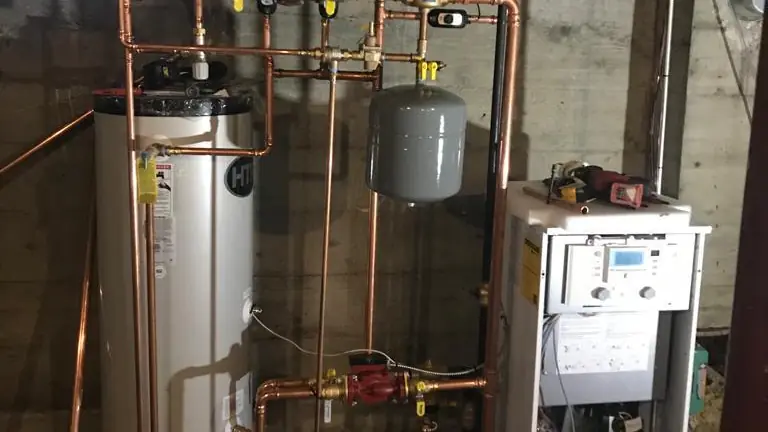
The hot water tank replacement cost most Metro Vancouver homeowners pay lands somewhere in the low thousands, but two quotes for the same house can still be hundreds of dollars apart. The difference usually comes down to fuel type, tank size, venting, access, and the code items that have to come along with the new tank.
This guide breaks down what drives the price, how renting compares with owning, how a tank compares with tankless at a high level, and what a fair written quote should include. If your tank is already dripping, start with our guide on what to do when a hot water tank is leaking and come back here once the water is off.
How Much Does Hot Water Tank Replacement Cost in Metro Vancouver?
As a rough guide, published price guides from Metro Vancouver contractors put a standard hot water tank replacement at about $1,250 to $2,200, installed. That figure typically covers a like-for-like swap: a new tank of similar size and fuel, connected in the same spot, with the old tank hauled away.
The low end tends to be a straightforward electric or atmospheric gas tank in an open basement or garage. The high end, and sometimes beyond it, comes from larger tanks, power-vent models, tight closets, and extra parts the old setup never had. Costs vary with the home, and the final price comes from an in-person estimate.
Why Does Gas vs Electric Change the Price?
Electric tanks are usually simpler to install. There is no venting and no gas line, so the job is mostly water connections, the electrical hookup, and the safety fittings. Many condos and townhouses use electric tanks for exactly that reason.
Gas tanks generally cost more to buy and to install because the gas connection and the venting both have to be done correctly. In BC, gas work has to be done by a licensed gas fitter working for a contractor licensed by Technical Safety BC, and that contractor is responsible for the gas permit or approved alternative. Technical Safety BC runs a replacement decal program that covers like-for-like residential water heaters of 50,000 Btu/hr or less, which keeps simple swaps simpler. Switching fuel types, from gas to electric or the reverse, is a bigger project with a bigger price.
Does Tank Size Matter? 40 vs 50 vs 60 Gallon
Yes, though less than people expect. Moving from a 40 to a 50 gallon tank usually adds a modest amount to the equipment price, and a 60 gallon tank adds a bit more. The bigger cost jump comes when a larger tank will not fit through the doorway or into the existing closet, or when it needs a higher-input burner.
Size the tank for how your household uses hot water, not just to match the old one. A family that runs out every morning may need to go up a size. A couple in a condo may do fine with a smaller tank and save on both purchase and running costs.
What Else Pushes the Price Up?
Venting is the big one for gas tanks. An atmospheric tank vents up an existing chimney or B-vent. A power-vent tank uses a fan and plastic venting, which helps where there is no chimney, but the unit costs more and needs a power supply. According to Technical Safety BC, changing from atmospheric to power venting requires a full installation permit rather than a replacement decal.
Code-related parts can add to the bill. The BC Plumbing Code requires a watertight drain pan, piped to a floor drain or other acceptable spot, when a storage tank sits over a wood floor or in a ceiling or roof space. It also requires thermal expansion protection, typically an expansion tank, when the home has a check valve, backflow preventer or pressure-reducing valve on the water supply. Metro Vancouver sits in an earthquake zone, so ask whether seismic straps are included and what your local inspector expects.
Access matters too. A tank in an open basement is quick work. One in a tight condo closet, a crawl space, or upstairs where it has to be carried down stairs takes longer. Disposal of the old tank is normally a small line item, and a municipal plumbing permit, where your city requires one, adds a fee. Check with your city's permit office, since requirements and fees differ across Richmond, Vancouver, Burnaby and the rest of the region.
Is Renting a Hot Water Tank Cheaper Than Buying?
Renting looks cheaper up front because you pay a monthly fee instead of the full installed price. Several companies in BC rent tanks, and the rental usually includes repairs and replacement while the agreement lasts.
Over the life of a tank, though, monthly payments often add up to more than buying outright. Before signing, read the contract for the length of the term, how fees rise over time, and what it costs to buy out or end the agreement early. If you already rent, check those terms before replacing the tank, since removing a rental unit can carry fees of its own.
Should You Switch to Tankless While You Are at It?
A tankless water heater usually costs noticeably more to install than a standard tank, mainly because of the unit price, venting changes, and on gas models, often a larger gas line. Technical Safety BC requires a full installation permit when a gas tank is replaced with an instantaneous unit. In return you get endless hot water and free up floor space.
For homes heated by a boiler, a combi unit that handles both heat and hot water is another route. That comparison has its own guide: combi boiler vs hot water tank. Ask for both prices side by side before deciding.
When Is It Time to Replace, and What Should the Quote List?
Common signs are rust-colored hot water, water pooling around the base, rumbling or popping noises, running out of hot water sooner than before, and a tank that is past roughly 10 to 12 years old. A leak from the tank body itself almost always means replacement. Leaks from fittings or the relief valve can sometimes be fixed, which is why a proper water heater repair visit is worth it before you buy anything.
A written quote should list the tank make, size, fuel and venting type, plus every extra: drain pan, expansion tank, seismic straps, new valves or connectors, venting changes, disposal of the old tank, and who handles any gas or plumbing permits. If something is missing from the quote, ask whether it is included or extra. Vague quotes are where surprise charges come from.
Encano Plumbing and Drain is a family-owned company in Richmond, serving homes from Burnaby to New Westminster and the rest of the Lower Mainland. For one flat price in writing before any work starts, call or text (604) 764-2031 any hour, or request an estimate online. The team speaks English, Portuguese and Spanish.
Frequently asked questions
- How much does it cost to replace a hot water tank in BC?
- As a rough guide, published price guides from Metro Vancouver contractors put a standard replacement at about $1,250 to $2,200 installed. Larger tanks, power venting, tight access and added code parts can push the price higher. The final number comes from an in-person estimate.
- How long does a hot water tank last?
- Many tank-type water heaters last somewhere around 10 to 12 years, depending on water quality, how hard the tank works, and whether it was maintained. Some last longer. Rust in the hot water, leaks from the tank body and rumbling noises are signs it is wearing out.
- Do I need a permit to replace a hot water tank?
- For gas tanks, the gas contractor handles the Technical Safety BC permit or a replacement decal for like-for-like swaps. Changing venting type or switching to tankless requires a full installation permit. Some cities also require a plumbing permit, so check with your municipality's permit office.
- Is it cheaper to rent or buy a hot water tank?
- Renting costs less up front, but monthly fees over the life of the tank often add up to more than buying. Rental agreements usually include repairs, which some people value. Read the term length, fee increases and buyout or cancellation costs before signing.
- Does a new hot water tank need an expansion tank?
- The BC Plumbing Code requires thermal expansion protection when the water supply has a check valve, backflow preventer or pressure-reducing valve. In those homes an expansion tank is the usual solution. Your installer should check your supply and say in writing whether one is included.
- How long does a hot water tank replacement take?
- A straightforward like-for-like swap is often done in a few hours. Changing fuel type, venting or location, or working in a tight closet, can take longer. Plan to be without hot water for part of that day.
Related services
Found this helpful? Make us a preferred source on Google.
Ready for an exact price?
Get a flat price in writing for your home, not a phone guess. The assessment is free in Richmond.