Poly-B Pipes in BC Homes: How to Spot Them and Whether to Replace Them
· By Ed Ferreira
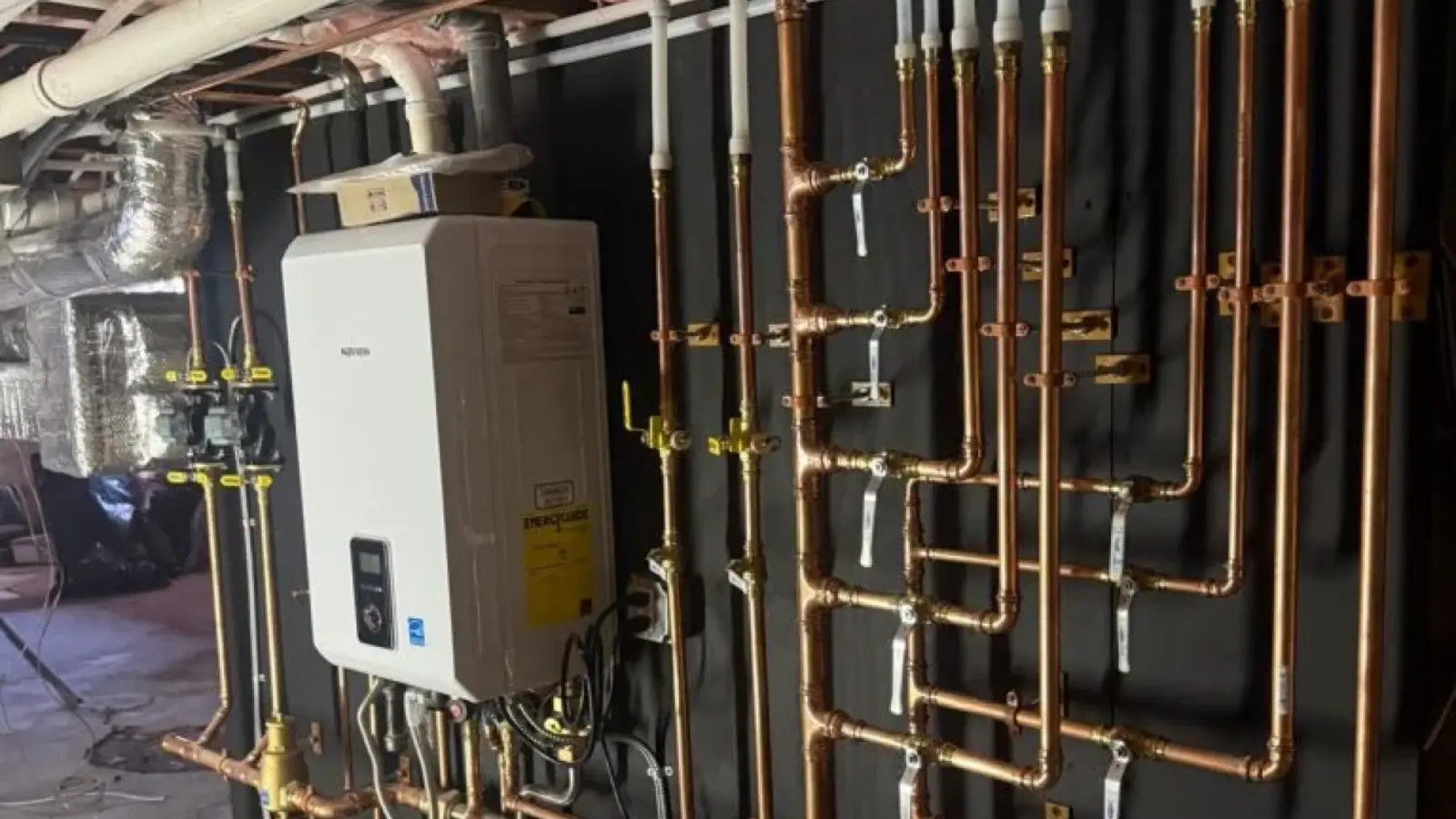
If your home in Richmond, Surrey or Burnaby was built or replumbed between the late 1970s and the late 1990s, there is a fair chance some of its water lines are poly b pipe. Poly-B, short for polybutylene, is a gray plastic supply line that was cheap, flexible and quick to install. It was also taken out of the Canadian plumbing code years ago, and insurers now ask about it on renewals and home purchases.
This guide explains how to identify Poly-B plumbing, why it fails, what it can mean for your home insurance, and what replacing it with PEX or copper involves.
What Is Poly-B Pipe and When Was It Installed in Canada?
Poly-B pipe is a flexible polybutylene plastic water supply line used in Canadian homes mainly from the late 1970s through the 1990s. Westland Insurance describes it as most common between 1978 and 1997, and a guide published by Alberta realtors notes it was widely used from 1985 to 1997, that resin production stopped in 1998, and that the Canadian plumbing code removed it as an accepted material in 2005.
Builders liked it because it was cheaper than copper and could be snaked through framing in long runs with few joints. That is why it shows up in so many Metro Vancouver homes from that era.
Why Does Poly-B Plumbing Fail?
Poly-B fails mostly because the plastic slowly breaks down from the inside, and the joints are its weakest point. Chlorine in treated municipal water attacks the inner wall of the pipe over time, and heat speeds that up, which is why hot water lines tend to go first. Sunlight (UV) also weakens the plastic, so any run that was left exposed during construction or sits near a window is more at risk.
Fittings are the other big factor. Early systems often used plastic fittings and crimp rings, and these are known trouble spots. Systems joined with brass or copper fittings generally hold up better, but the pipe itself still ages.
The real problem is that Poly-B usually gives little warning. A pipe can look fine on the outside and then split or let go at a fitting with no drip beforehand. Inside a ceiling, the damage spreads before anyone sees it.
How Can You Tell If You Have Poly-B Pipe?
The quickest way to identify poly b pipe is to look at an exposed section of water line and check its color, flexibility and printing. Poly-B is usually gray, though it can also be blue, white or other colors. It is flexible plastic, roughly the diameter of a thumb, and is often stamped along its length with markings such as "PB2110" or "PB" plus a CSA standard number.
Good places to look: the main shutoff where water enters the house, the lines above or beside the water heater, under kitchen and bathroom sinks, behind the washing machine, and along an unfinished basement or crawlspace ceiling. Gray or white plastic fittings, or metal crimp rings clamped over the pipe, are typical of Poly-B.
Do not confuse it with PEX, the modern plastic pipe. PEX is commonly red, blue or white and is printed with "PEX" on the side. If you are not sure, a plumber can usually confirm it in a short visit by checking several access points.
Does Poly-B Plumbing Affect Home Insurance in BC?
Many insurers in Canada ask whether a home has Poly-B plumbing, and the answer can change your coverage. According to Canadian insurance brokers such as Westland Insurance, insurers may respond by adding a premium surcharge, setting a deadline to replace the pipe, excluding water damage coverage, or declining to cover the home at all. Rules differ by company.
If you are buying a home built in the Poly-B era, ask your broker before you remove subjects, since replacement may become a condition of the policy. If you already own one, check with your insurer what they need from you, and whether they want proof of replacement such as a plumber's invoice.
What Are the Options for Replacing Poly-B: PEX or Copper?
Most Poly-B replacements today use PEX, with copper as the traditional alternative. Replumbing with PEX is popular because the pipe is flexible, so it can be pulled through walls and ceilings with fewer openings and fewer joints. Copper costs more in materials and takes more labour to run, but it is durable, rigid and a familiar choice for exposed runs at the water heater or main shutoff.
What Does a Poly-B Repipe Involve?
A Poly-B repipe replaces every supply line from the main shutoff to each fixture, and it usually takes a few days of work rather than weeks. The plumber maps where the existing lines run, then cuts small access openings in drywall at strategic points to pull new pipe through. Unfinished basements and crawlspaces make routing much easier.
Water is normally shut off only for parts of each day while lines are switched over, so most families stay in the house. Once the new lines are pressure tested, the access holes are patched. Ask in advance whether drywall repair and painting are included or left to you, since that changes the scope a lot. Check with your city whether a plumbing permit is required for the work before it starts.
Townhouses and condos add a step: a strata usually has rules about plumbing work in the building, and some stratas coordinate Poly-B replacement across all units. Talk to your strata council before booking anything. Our guide to older Vancouver homes covers other pipe issues that tend to show up in houses of that age.
How Much Does Poly-B Replacement Cost?
Poly-B replacement cost depends mostly on the size of the home, the number of bathrooms and fixtures, and how much finished wall and ceiling has to be opened. PEX versus copper, and who handles drywall and paint, also move the number.
Because those variables swing the total so much, a per-house figure from the internet is not much use. Get a written quote that lists exactly what is included: every fixture connection, the shutoff, access openings, patching, permit if required, and cleanup. Costs vary with the home, and the final price comes from an in-person estimate.
What Should You Do If Poly-B Is Leaking Now?
If a Poly-B line or fitting is leaking, shut off the main water valve first, then turn off power to anything the water is reaching. Even a small, local repair is a warning about the rest of the system. For hidden moisture, stains on a ceiling or a water bill that jumped, leak detection and repair can find the source before you open walls. If a fitting has burst and water is pouring, call an emergency plumber right away. Our burst pipe first steps explain what to do in the first few minutes.
Encano Plumbing is a family-owned plumbing and heating company in Richmond, serving Richmond, Vancouver, Burnaby, Surrey, Delta, New Westminster and White Rock. If you think you have Poly-B or want a repipe quote, call or text (604) 764-2031 any hour, or request an estimate. You get one flat price in writing before any work starts, and the team speaks English, Portuguese and Spanish.
Frequently asked questions
- Is Poly-B pipe still legal in BC?
- Polybutylene was removed from the Canadian plumbing code as an accepted material in 2005. Existing systems are still found in many homes, and the push to replace them usually comes from insurers and buyers. Check with your insurer about what they require for your home.
- How long does Poly-B pipe last?
- There is no reliable lifespan for Poly-B because it depends on water chemistry, heat, fitting type and how it was installed. Most installations in BC are now roughly 30 to 45 years old, which is why many owners plan replacement before a failure.
- Can I replace only part of my Poly-B plumbing?
- You can repair or replace a section, and plumbers do this after a leak. The catch is that the remaining Poly-B is the same age and has the same weaknesses, and many insurers look at whether any Poly-B is left in the home. A full repipe is usually the cleaner long-term answer.
- Is PEX the same as Poly-B?
- No. PEX is cross-linked polyethylene, a different plastic that is current and accepted for water supply in Canada. It is usually red, blue or white and is printed with PEX on the side, while Poly-B is usually gray and may be stamped PB2110.
- Do I have to move out during a repipe?
- Most people stay home during a repipe. Water is shut off for parts of each day while lines are switched over.
- Will replacing Poly-B lower my insurance premium?
- It may, but that depends on your insurer. Some insurers add surcharges or exclude water damage while Poly-B is in the home, and remove those once you show proof of full replacement. Ask your broker exactly what documentation they want before the work is done.
Related services
Found this helpful? Make us a preferred source on Google.
Ready for an exact price?
Get a flat price in writing for your home, not a phone guess. The assessment is free in Richmond.