Hydronic Heating in Older Vancouver Homes: A Guide to Boilers, Radiators and Aging Pipes
· By Ed Ferreira
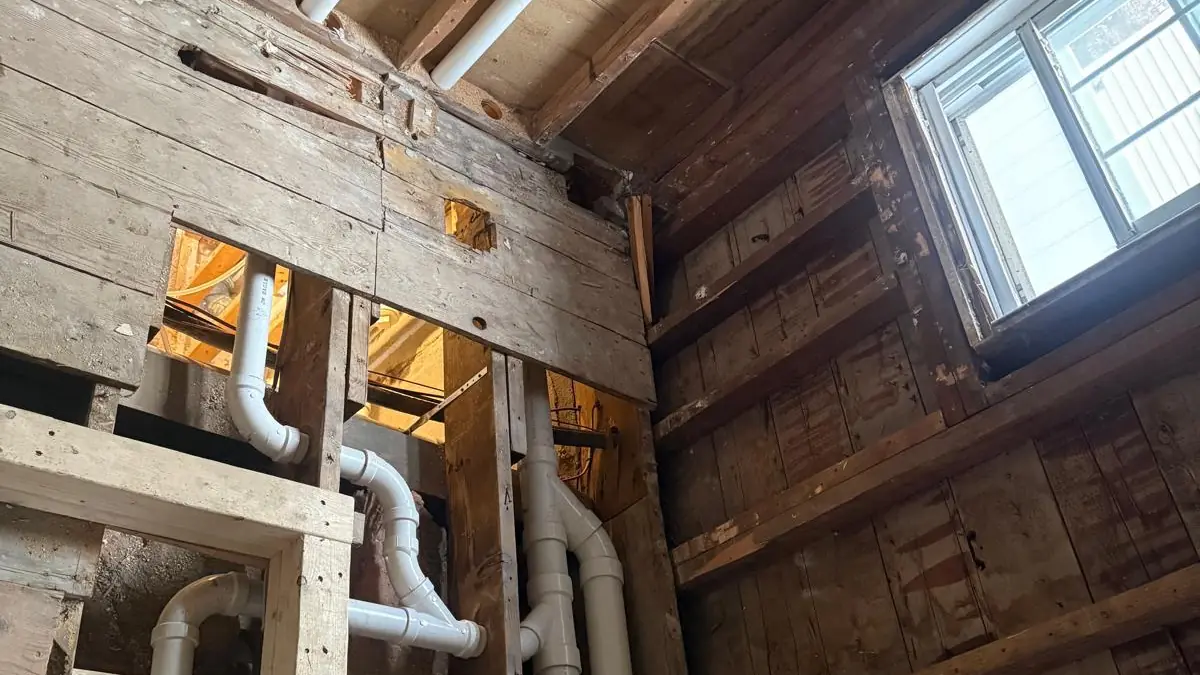
Hydronic heating, where a boiler heats water and pumps it through radiators, baseboards or floor tubing, is common in older Vancouver homes. Buy a character house on the west side or an older place in East Van and there is a fair chance the heat comes from cast iron radiators, and the water and drain lines behind the walls are as old as the house.
Old systems can run for decades. The trick is knowing what you have, what tends to fail, and which upgrades make sense. This guide covers Vancouver housing by era, then heating, water, drain and sewer lines one at a time.
What Kind of Plumbing and Heating Do Older Vancouver Homes Have?
It depends mostly on when the house was built. According to the Vancouver Heritage Foundation, the Craftsman style arrived in Vancouver around 1908 to 1910 and stayed popular for about 20 years, and the one-storey Craftsman bungalow is one of the most common heritage house types in the city. The Foundation also notes that the Vancouver Special first appeared around 1965 and grew to an estimated 10,000 plus houses by 1985.
Houses from the early 1900s through the 1950s often started with a boiler and hot water or steam radiators, galvanized steel water lines and cast iron drain stacks. Many have since been converted or partly replumbed, so the only way to know is a look in the basement. A Vancouver Special or a 1970s house may have its own mix of original copper, older drains and later changes, and some homes replumbed in the 1980s and 1990s used Poly-B, which has its own story covered in our guide to Poly-B pipes in BC.
How Does Hydronic Heating Work in an Older House?
A hydronic heating system heats water in a boiler, then circulates it through a closed loop of pipes to radiators or a hydronic baseboard heater in each room, and back to the boiler to be reheated. Most residential systems today are low-pressure hot water, not steam.
Older systems were often built around big cast iron radiators and large-diameter pipes, sometimes designed for gravity circulation and later fitted with a pump. A replacement boiler has to match how those pipes actually move water.
Radiator heat is quiet, does not blow dust around, and cast iron holds heat long after the boiler cycles off. The downside is that an old boiler can be inefficient and hard to find parts for.
What Are the Warning Signs of an Aging Boiler or Radiators?
The most common signs are cold radiators, a pressure gauge that keeps dropping, gurgling or banging in the pipes, and a boiler that cycles on and off far more than it used to. Get these checked before the cold months.
Watch for drips under radiator valves, a damp ceiling below a radiator, and crusty buildup on boiler fittings. A system that needs frequent topping up is losing water somewhere. Our article on a boiler that is not heating or losing pressure covers bleeding radiators and the safe checks you can do yourself.
Some symptoms are safety issues, not maintenance. Soot around the boiler, a yellow flame or a carbon monoxide alarm means turning the heat off and getting the appliance inspected. If you smell gas, leave the house and call the FortisBC 24-hour emergency line at 1-800-663-9911 from outside. In BC, gas work has to be done by a licensed gas fitter working for a contractor licensed by Technical Safety BC.
Should You Keep Your Radiators When Replacing an Old Boiler?
In many cases, yes. Cast iron radiators in good shape can outlast several boilers, and keeping them avoids opening walls and floors. The usual upgrade path is to keep the radiators and piping, flush the system, and pair it with a modern condensing boiler sized for the house as it is today, not as it was built.
Condensing boilers work best with lower water temperatures, and old radiators are often oversized for a house that has since been insulated. That works in your favor, and a heat loss calculation shows how hot the water really needs to run.
If radiators are cracked or you are gutting the house anyway, other options open up. For what a new boiler typically involves and costs, see our boiler replacement cost guide for BC. Costs vary with the home, and the final price comes from an in-person estimate.
What Goes Wrong With Galvanized and Cast Iron Pipes?
Galvanized steel water lines corrode from the inside. Rust narrows the pipe, so the first sign is usually weak pressure, especially upstairs. Rusty water after the taps sit overnight and pinhole leaks at threaded joints are other clues.
Cast iron drain stacks rust and crack slowly, often along the bottom of horizontal runs where you cannot see. Look for flaking, damp spots, sewer smells or drains that slow down for no reason. A leak behind a finished wall can do real damage before anyone notices, which is where leak detection and repair earns its keep: finding the source before opening walls at random.
Repiping does not have to happen all at once. Many owners replace galvanized supply lines first, then do the drains when a renovation opens the walls.
Who Is Responsible for the Sewer Line in Vancouver?
The City of Vancouver says property owners are responsible for maintaining the sewer lines on their property, up to where they meet the City's sewer connection. The City notes that this can mean relining the pipe to extend its life or replacing it entirely, for example with pipe that resists tree roots. Only the City or its agents can excavate or repair the City's portion of the connection.
Older houses often have clay or concrete sewer laterals with many joints, and mature street trees in Vancouver neighborhoods send roots into those joints. Repeated backups or slow drains on the lowest floor are the usual signs, and a camera inspection shows what and where the problem is.
Do You Need a Permit to Upgrade Plumbing or Heating in Vancouver?
Often, yes. The City of Vancouver requires a plumbing permit to install, change or upgrade any part of a plumbing system, while simple jobs like repairing leaks, clearing stoppages, or replacing fixtures in the same location do not need one. A gas permit is required to install or replace a natural gas appliance, piping or venting, which includes a gas boiler. Changing to a different heating type can also call for a mechanical permit.
Rules change, so check the City's permit pages before you start a renovation.
How Should You Prepare an Older Home for Heating Season?
Start in September or early October, before the first cold snap. Have the boiler serviced, check the pressure gauge, bleed radiators that stay cool at the top, and test carbon monoxide alarms on every level.
Then walk the basement with a flashlight. Look for drips or rust, check that the main water shutoff turns, and insulate supply lines in crawl spaces. If you live in the city, our Vancouver plumbing and heating page lists the work we handle there, and our team also offers boiler repair and service across Metro Vancouver.
Encano Plumbing is a family-owned plumbing and heating company based in Richmond. If something in your older home looks off, call or text (604) 764-2031 any hour for one flat price in writing before work starts.
Frequently asked questions
- Is hydronic heating worth keeping in an older Vancouver house?
- Often it is. Cast iron radiators and the pipes feeding them can last a very long time, and pairing them with a modern condensing boiler keeps the quiet, even heat while improving efficiency. Whether it makes sense depends on the condition of the radiators, the piping and the house itself.
- Why do some of my radiators stay cold?
- Common causes are trapped air, low system pressure, a stuck valve or a weak circulator pump. Bleeding the radiator is a safe first step. If it keeps happening, have the system checked.
- Who pays to fix a broken sewer line in Vancouver?
- The City of Vancouver says owners are responsible for the sewer lines on their own property, up to where they meet the City's connection. The City handles its own portion of the connection. A camera inspection shows where the damage is before any digging starts.
- Do I need a permit to replace a boiler in Vancouver?
- Replacing a gas boiler requires a gas permit from the City of Vancouver, and gas work in BC must be done by a licensed gas fitter. Switching to a different heating type can also require a mechanical permit. Check with the City before the work starts.
- What is a hydronic baseboard heater?
- It is a low heater along the bottom of a wall, warmed by hot water from a boiler instead of electricity. It works like a radiator in a slimmer shape.
Related services
Serving
Found this helpful? Make us a preferred source on Google.
Ready for an exact price?
Get a flat price in writing for your home, not a phone guess. The assessment is free in Richmond.