DIY Plumbing in BC: What Homeowners Can Legally Do, and the Insurance Risk
· By Ed Ferreira
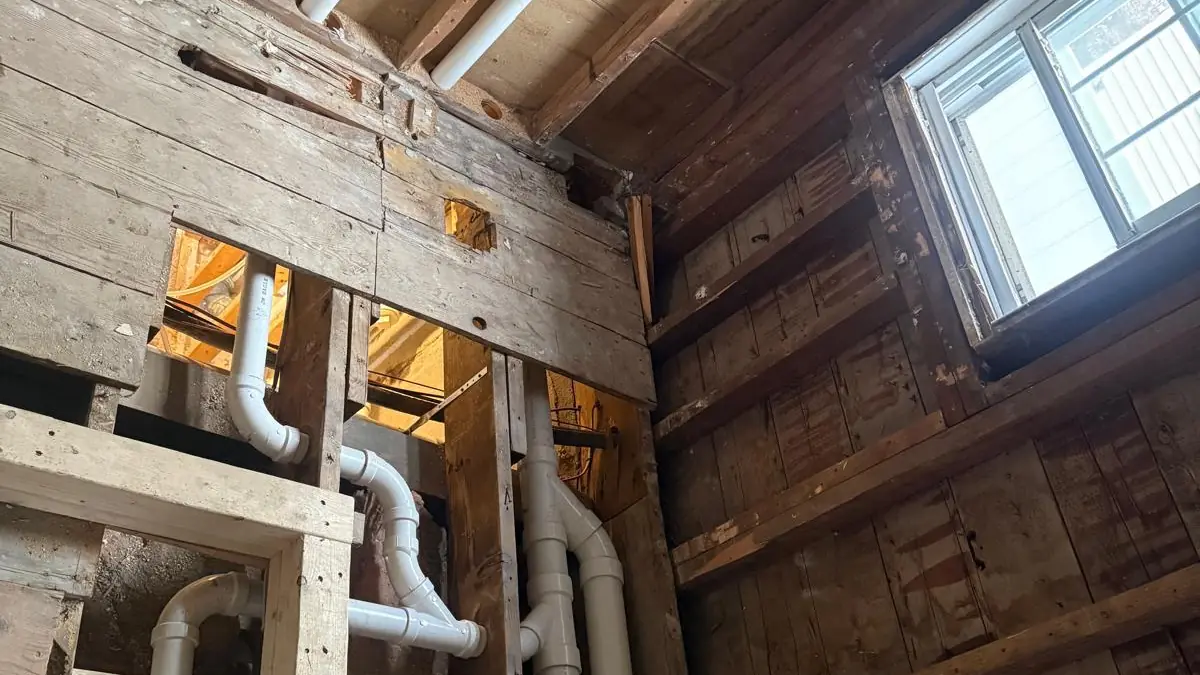
A lot of homeowners in Richmond, Vancouver and Burnaby are handy, and plenty of them ask the same question before a bathroom or basement project: am I even allowed to do my own plumbing in BC? The short answer is yes, in many cases, if you own and live in a detached single-family home and you get the right permit and inspection.
The part people tend to miss is insurance. Legal permission to do the work does not guarantee your insurer will be comfortable with it if a fitting lets go a year later and floods two floors. This guide walks through what the official rules say, where homeowners cannot do the work themselves, and how to protect yourself either way.
Can a Homeowner Legally Do Their Own Plumbing in BC?
Yes, in many Metro Vancouver cities a homeowner can do plumbing work on their own detached single-family home, as long as they live in it and take out a permit. Plumbing permits are issued by your city, and each city sets its own conditions, so check yours before you start.
The City of Vancouver's plumbing permit page says you do not need to be a licensed plumbing contractor if you are doing plumbing work on a single family detached home that you own and live in. The City of Richmond's plumbing permit application says inside plumbing work must be done by a plumber holding a Trades Qualification and a current Richmond business licence, except for a single family dwelling owner or occupier who personally does the work and signs a declaration. Burnaby's homeowner declaration asks the owner to certify the home is a detached single-family dwelling without a secondary suite that they live in or intend to live in.
Which Plumbing Jobs Need a Permit, and Which Do Not?
As a general rule, adding, moving or upgrading piping needs a permit, while simple like-for-like repairs often do not. The City of Vancouver, for example, says you need a permit to install, change or upgrade any part of a plumbing system, but not to repair or replace valves or faucets, repair or replace fixtures that stay in the same location, clear stoppages in pipes or drains, or repair leaks.
So swapping a kitchen faucet or replacing a toilet in the same spot is usually permit-free in Vancouver, while roughing in a new basement bathroom, moving a shower or rerouting supply lines is not. Other cities word their rules differently, so confirm with your local permit office before you open a wall. Vancouver also notes that all work must be inspected for the permit to be finalized.
Can You Do Your Own Gas Work in BC?
Sometimes, but gas has stricter limits than water lines. Technical Safety BC, the provincial safety regulator, says a homeowner gas permit is required for many alterations, including installing or replacing gas appliances such as a furnace, water heater, fireplace, boiler, range or cooktop, installing or replacing gas piping or vent systems, and installing built-in gas barbecues. Replacing an existing plug-in style gas barbecue does not need one.
Depending on where you live, either Technical Safety BC or your municipality issues the gas permit. Richmond, for instance, takes gas permits at the city, and its gas permit application says all gas fitting work must be done by a gas fitter holding a Richmond business licence and a provincial contractor's licence, except for an owner under a signed declaration. Technical Safety BC also requires homeowners to request at least one inspection within 180 days of the permit being issued.
Gas mistakes are not just a leak risk. A poorly vented furnace or water heater can put carbon monoxide into the house. Our carbon monoxide safety guide explains the warning signs.
Who Cannot Get a Homeowner Permit?
If you live in a strata, a duplex or run a business from home, you will likely need a licensed contractor. Technical Safety BC states that owners of a strata, non-strata duplex, and those operating a business from their home cannot obtain homeowner gas permits and must hire a licensed contractor.
City plumbing rules point the same way: the homeowner exceptions in Vancouver, Richmond and Burnaby are written around detached single-family homes that the owner lives in. Burnaby's declaration also states the owner will do the work without assistance, or with help from a qualified person who is not under contract and not paid, and that the owner accepts full responsibility for the installation. Condo and townhouse owners should also check strata bylaws before touching any plumbing.
How Can DIY Plumbing Affect Your Home Insurance?
This is the real risk. Technical Safety BC warns that insurance companies may deny claims, or in some circumstances demand compensation, for damages resulting from unqualified or unpermitted work. A failed joint behind a finished wall can soak drywall, flooring and the unit below before anyone notices, and the claim that follows may be examined closely.
That does not mean every DIY job leads to a denied claim. Policies differ, and a permitted, inspected installation is in a much stronger position than one nobody ever looked at. What matters is what your own policy says. Before a project, read the water damage and exclusions sections, and ask your insurer or broker directly whether homeowner work affects coverage and what proof they would want, such as the permit and final inspection record.
Tenants should be even more careful. Plumbing in a rental belongs to the owner, and work done without the landlord's approval can create problems with both the landlord and the tenant's own insurance. Ask before you change anything.
Does a Permit and Inspection Actually Protect You?
A permit and passed inspection is the best record you can have that work was done to code. It creates an official file showing the work was reviewed, which helps with insurers, with future buyers who ask about renovations, and with your own peace of mind.
It is not a warranty, though. Richmond's plumbing permit application notes that a permit or inspection is not a guarantee that the work complies with the code and does not relieve the owner of responsibility for it. If you do the work yourself, the responsibility stays with you.
When Is It Smarter to Call a Licensed Plumber or Gas Fitter?
Hire a pro when the job involves gas, hidden piping, drains tied into the main stack, or anything where a slow leak could go unnoticed. Those are the jobs where a mistake is expensive and where an insurer is most likely to ask who did the work.
DIY can make sense for small, visible, like-for-like repairs: a faucet cartridge, a toilet flapper, a P-trap under a sink. Even then, know where your main water shutoff is before you start. If something goes wrong mid-project, our burst pipe first steps cover the first few minutes, and leak detection and repair can trace hidden moisture before it spreads. Older homes with gray Poly-B lines add another insurance question, covered in our Poly-B guide.
How Encano Handles Permits on Plumbing and Gas Jobs
When a job needs a permit, we take it out, and gas work is done by a licensed gas fitter. The job is only closed and invoiced after it passes inspection, so you end up with the permit record your insurer or a future buyer may ask for. See our gas fitting services for appliance hookups, gas lines and leak repair.
Encano Plumbing is a family-owned plumbing and heating company in Richmond, serving Richmond, Vancouver, Burnaby, Surrey, Delta, New Westminster and White Rock. If you are weighing a DIY project and want a second opinion, call or text (604) 764-2031 any hour, or request an estimate. You get one flat price in writing before any work starts, and the team speaks English, Portuguese and Spanish.
Frequently asked questions
- Do I need a permit to replace a faucet or toilet in Vancouver?
- Usually not. The City of Vancouver says repairing or replacing valves, faucets, or fixtures that stay in the same location, clearing stoppages and repairing leaks do not need a permit. Installing, changing or upgrading any part of the plumbing system does.
- Can I install my own gas stove or furnace in BC?
- Installing or replacing gas appliances such as a furnace, water heater, boiler or range needs a gas permit. A homeowner permit may be possible in a detached home you live in, but Technical Safety BC says strata owners, non-strata duplex owners and people running a business from home cannot get one and must hire a licensed contractor. Your city may issue the permit instead of Technical Safety BC.
- Will my insurance cover water damage from plumbing I did myself?
- It depends on your policy and the circumstances. Technical Safety BC warns that insurers may deny claims or seek compensation for damage caused by unqualified or unpermitted work. Read your policy and ask your insurer before the project, and keep the permit and inspection records.
- Can a condo or townhouse owner do their own plumbing?
- Homeowner permit exceptions in Metro Vancouver cities are generally written for detached single-family homes the owner lives in, and Technical Safety BC excludes strata owners from homeowner gas permits. Strata bylaws may add their own rules, so check with your strata council and city first.
- Who pulls the permit if I hire a plumber?
- When you hire a licensed contractor, the contractor normally applies for the permit. Technical Safety BC suggests checking that a gas permit is in place before work begins.
Found this helpful? Make us a preferred source on Google.
Ready for an exact price?
Get a flat price in writing for your home, not a phone guess. The assessment is free in Richmond.