Boiler vs Furnace vs Heat Pump: Which Fits a Metro Vancouver Home?
· By Ed Ferreira
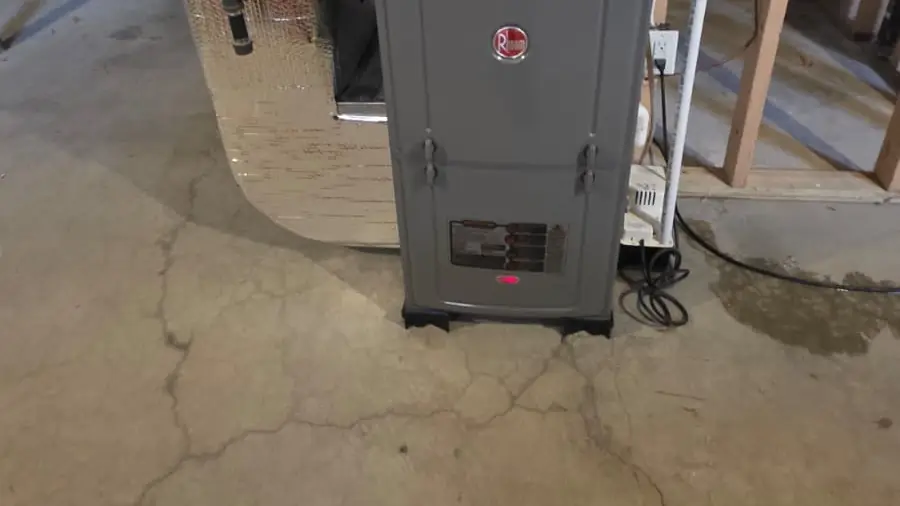
Boiler vs furnace vs heat pump is a question most Metro Vancouver homeowners only ask when their current system is getting old or they are planning a renovation. All three can keep a house warm through a long, damp winter, but the house you already have usually narrows the choice.
The short version: radiators or in-floor tubing point toward a boiler, ductwork points toward a furnace, and a heat pump can work with either setup, sometimes alongside the gas system you already have.
How Do a Boiler, a Furnace and a Heat Pump Each Heat a Home?
A boiler heats water, a furnace heats air, and a heat pump moves heat from outside to inside using refrigerant. That one difference shapes almost everything else about them.
A boiler warms water and pumps it through pipes to radiators, baseboard convectors or tubing set into the floor. This is called hydronic heating.
A furnace burns gas (or uses electric elements) to heat air, then a blower pushes that air through ducts and out of floor or wall registers.
A heat pump does not create heat by burning anything. It uses electricity to run a compressor that pulls heat out of the outdoor air, even on cool days, and releases it indoors. Ducted models feed the same ducts a furnace would use. Ductless mini-splits mount a head on the wall of each zone, and air-to-water models heat the water in a hydronic system.
Does Your House Have Ducts or Radiators?
The single biggest factor in the boiler vs furnace decision is what is already in your walls and floors. Replacing like with like is almost always simpler and cheaper than switching distribution systems.
If you have cast-iron radiators, baseboard convectors or radiant floor tubing, you have a hydronic system, and a new boiler connects to pipes that are already there. Our guide to older Vancouver homes with boilers and radiators covers what to look for in that housing stock.
If you have registers in the floor or walls and a return grille in a hallway, you have ductwork, and a furnace or a ducted heat pump is the natural fit. Adding ducts to a house that never had them means opening walls and ceilings, and that is a major renovation. A ductless heat pump is the one option that does not need either network.
Which Is More Comfortable: Boiler, Furnace or Heat Pump?
Most people find boiler heat the most comfortable, because it warms surfaces evenly and quietly without moving air around. Rooms hold their temperature well and there is no blower noise or draft. The trade-off is speed: hydronic heat takes longer to recover if you turn the thermostat way down overnight.
A furnace heats quickly but in pulses. You may notice warm air near the registers, cooler corners, and the sound of the blower.
A heat pump tends to run longer at a lower output, so the air coming out feels milder than furnace air. The upside is steadier temperatures. It can also air-condition the house, which a boiler cannot do and a furnace needs a separate air conditioner for.
What About Air Quality and Humidity?
Forced-air systems (furnaces and ducted heat pumps) move air through a filter, which can help with dust and pollen if you keep the filter changed. They can also stir up dust when the filter is ignored, and the warm air can feel dry indoors.
Boiler heat does not move air, so it does not blow dust around. It also has no built-in filtration or ventilation, so bathroom and kitchen fans do more of the work of controlling moisture, condensation and mildew.
Heat Pump vs Furnace: What Drives the Monthly Cost?
Running costs come down to three things: the price of the energy you buy, how efficiently the system turns it into heat, and how much heat the house loses.
A gas furnace or boiler is rated by efficiency. A heat pump is rated by its coefficient of performance (COP): how many units of heat it delivers for each unit of electricity it uses. Because it moves heat instead of making it, a heat pump typically delivers more than one unit of heat per unit of electricity, but its COP drops as the outdoor air gets colder.
That makes the heat pump vs furnace comparison a contest between electricity rates multiplied by COP and gas rates multiplied by furnace efficiency. Our mild, wet winters favour heat pumps for most of the season. A cold snap pushes the balance back toward gas for those days. For an estimate that fits your house, use the energy cost tools on the FortisBC and BC Hydro websites with your actual bills.
A drafty house costs more to heat with any system.
What Is a Hybrid or Dual-Fuel System?
A hybrid, or dual-fuel, system pairs a heat pump with a gas furnace or boiler. The heat pump handles heating on most days and all of the cooling, and the gas side takes over when it gets cold enough that gas is the cheaper or more effective option. The controls switch between them automatically.
For a lot of Metro Vancouver homes that already have a working gas furnace, this is the practical middle path. You keep the furnace as backup, add cooling, and cut gas use without relying on the heat pump alone during the coldest week of the year.
How Much Do They Cost Up Front, and What About Rebates?
As a rough guide, Enercare BC puts a new high-efficiency gas furnace in BC at around $5,000 to $7,000 or more installed, and published price guides from Metro Vancouver contractors list boiler or furnace replacement starting from about $5,000. Heat pump pricing varies too widely with the type and the house to quote here. Our guides to furnace replacement cost and boiler replacement cost break the numbers down further.
Heat pump rebates in BC run through the CleanBC Better Homes program, funded by BC Hydro and FortisBC in partnership with the Province. The program states that a program-registered contractor is required for most rebates, and amounts and rules change, so check betterhomesbc.ca and its Find a Contractor tool before you sign anything. Note that FortisBC rebates for connecting to natural gas are for switching from oil or propane, not for replacing one gas furnace with another.
Costs vary with the home, and the final price always comes from an in-person estimate.
Which One Should You Choose?
Start with what you have. Radiators or in-floor heating that still work well usually mean a new boiler is the simplest, most comfortable choice. Ductwork in good shape usually means a furnace, a ducted heat pump, or a hybrid of the two. A home with neither, or one where you want cooling in a few rooms, is where ductless heat pumps shine.
Encano Plumbing can look at your furnace or boiler, explain the options for your house, and give you one flat price in writing before any work starts. Call or text (604) 764-2031 any hour, or request an estimate for furnace installation or boiler installation advice.
Frequently asked questions
- Is a boiler better than a furnace?
- Neither is better in every house. A boiler gives quiet, even heat and suits homes that already have radiators or in-floor tubing. A furnace heats faster, can share ducts with air conditioning and filtration, and suits homes that already have ductwork.
- Can I replace a boiler with a furnace?
- You can, but it means installing ductwork through a house that was not built for it, which is a large renovation. Most homeowners with a working hydronic system replace the boiler with a new boiler instead.
- Is a heat pump cheaper to run than a gas furnace in Vancouver?
- It depends on current electricity and gas rates, the heat pump's efficiency, and how well your house holds heat. Heat pumps work most efficiently in mild weather, which describes much of a Metro Vancouver winter, and lose efficiency in cold snaps. The FortisBC and BC Hydro websites have tools that can estimate costs using your own bills.
- Do heat pumps work with radiators?
- Some do. An air-to-water heat pump can heat the water in a hydronic system, but it runs most efficiently at lower water temperatures than many older radiator systems were designed for. Whether it fits needs an assessment.
- What is a dual-fuel heating system?
- A dual-fuel system combines a heat pump with a gas furnace or boiler. The heat pump covers mild days and cooling, and the gas equipment takes over when it is colder.
- Are there rebates for heat pumps in BC?
- Yes, the CleanBC Better Homes program offers heat pump rebates funded by BC Hydro and FortisBC with the Province. Most rebates require a program-registered contractor, and amounts and rules change. Check betterhomesbc.ca for the current offers before you buy.
Related services
Found this helpful? Make us a preferred source on Google.
Ready for an exact price?
Get a flat price in writing for your home, not a phone guess. The assessment is free in Richmond.